
By Carbon to Sea Initiative
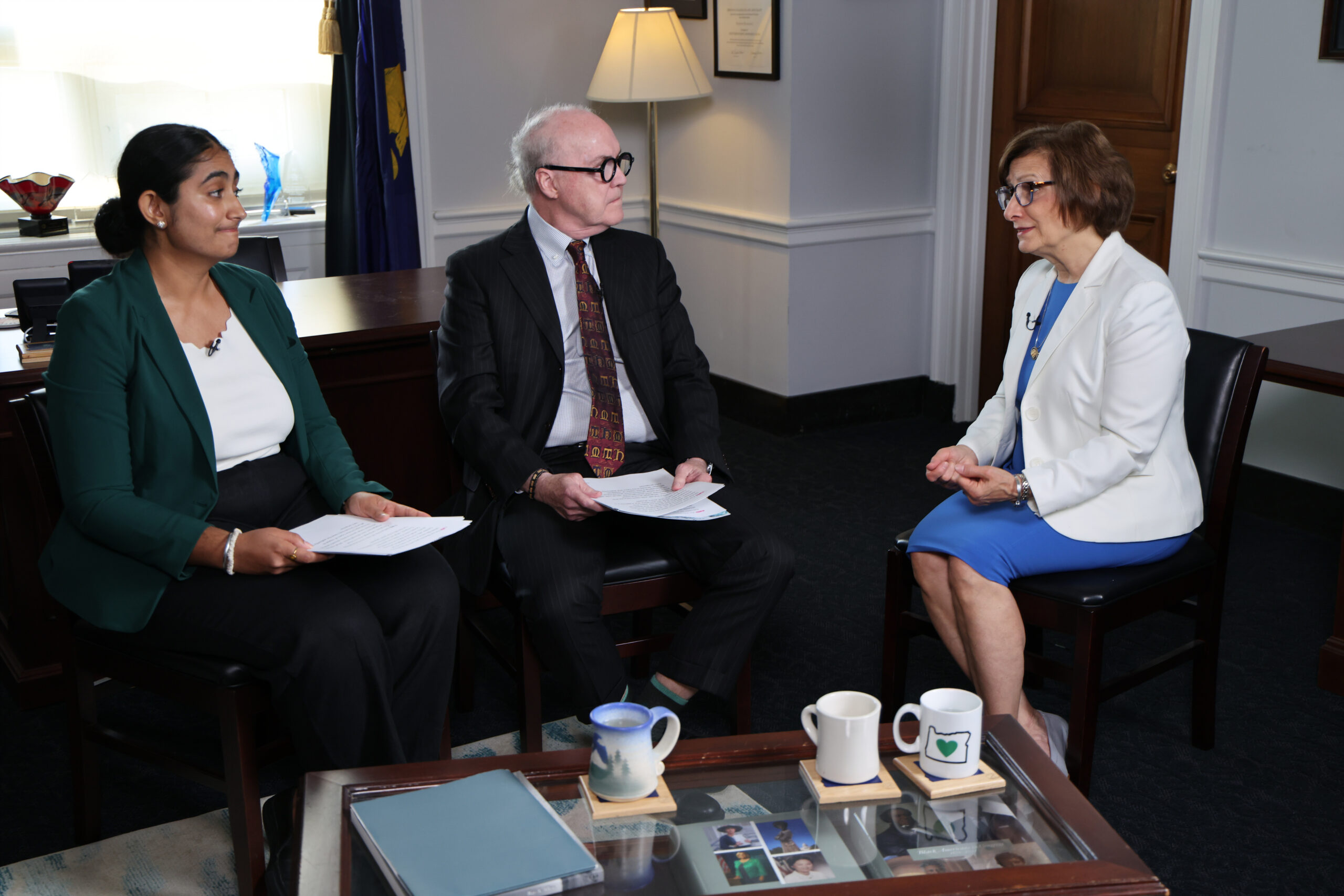
In this episode of Plan Sea, hosts Anna Madlener and Wil Burns sit down with researchers Dr. Leila Kittu, Dr. Giulia Faucher, and Dr. Charly Moras to discuss the latest updates from the Ocean Alk-Align consortium’s exploration of ocean alkalinity enhancement’s (OAE) environmental safety and efficiency. Representing expertise from the GEOMAR Helmholtz Centre for Ocean Research and the University of Hamburg, Leila, Giulia, and Charly join Anna and Wil to share valuable insights on what’s needed for monitoring, reporting, and verification (MRV) and environmental safety assessments.
Ocean Alk-Align is dedicated to evaluating the efficacy and durability of carbon uptake and storage; environmental safety and potential co-benefits; and MRV requirements of various OAE approaches. Leila, Giulia, and Charly discuss how understanding OAE’s efficiency — commonly measured by how many tons of carbon dioxide is removed per ton of material added to the ocean — is incredibly nuanced. The group’s research suggests we must also consider factors such as dilution, sinking, and horizontal mixing when discussing the efficiency of various OAE approaches in different real-world settings.
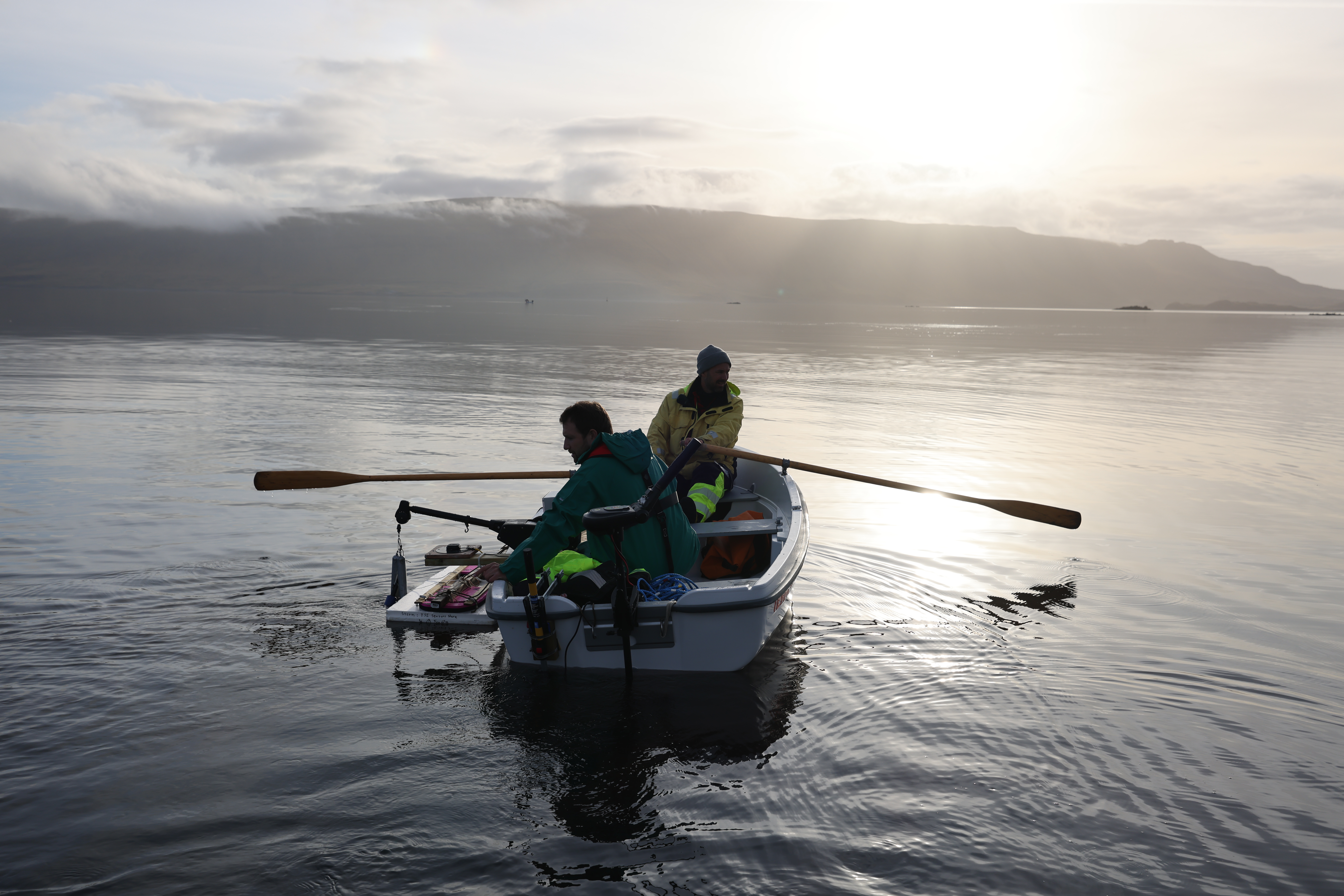
To evaluate OAE’s environmental safety and better understand how scientists can protect living ecosystems without sacrificing efficiency, Leila, Giulia, and Charly discuss mesocosm experiments that were conducted. The team gradually included multiple species of plankton to identify how biological life responds to seawater changes. Mesocosm research is advantageous for breaking down complex problems into manageable pieces — but is limited in terms of scale, duration, and ability to capture higher trophic levels.
Looking ahead, the group called for more robust frameworks for environmental safety assessment and thresholds as OAE projects move towards field research. The group argues that the broader benefit of carbon removal seeks to outweigh the potential risk of interfering in delicate ocean environments, and requires careful consideration and standardization across these frameworks. Ocean Alk-Align’s work aims to provide a scientifically-rigorous, informed pathway to weighing this “give and take” decision.
To hear the full conversation and learn more about Ocean Alk-Align’s work, listen to the episode above, subscribe on your favorite podcast platform, or find the entire series here.
Plan Sea is a semi-weekly podcast exploring ocean-based climate solutions, brought to you by the Carbon to Sea Initiative and the American University Institute for Responsible Carbon Removal.