
By Carbon to Sea Initiative
New funding opportunity will support field sites, technical demonstrations, and international collaboration to generate the real-world data needed to evaluate OAE’s safety, efficacy, and potential for responsible scale
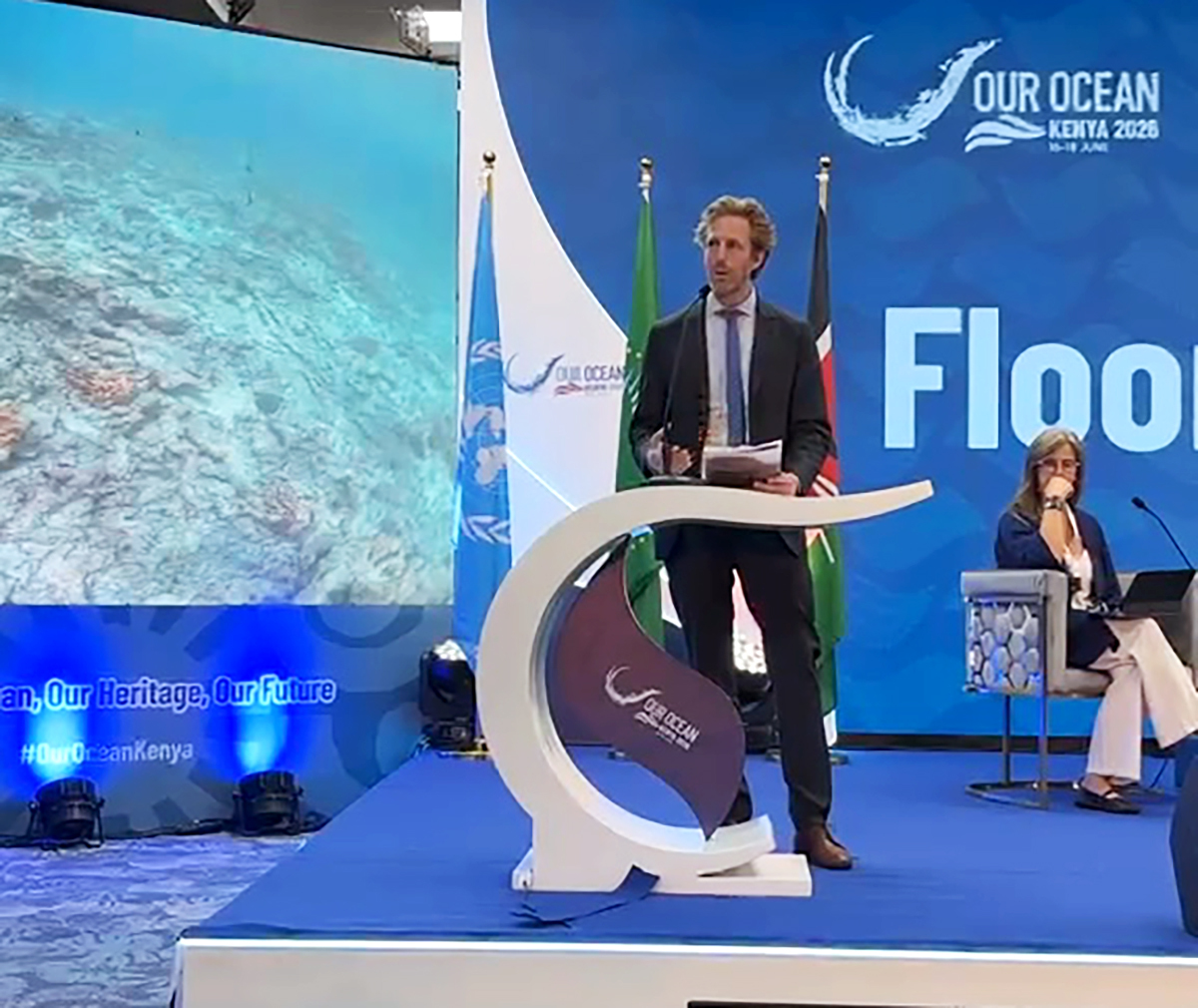
MOMBASA, KENYA — June 17, 2026 — At the 11th Our Ocean Conference in Kenya, the Carbon to Sea Initiative announced it will be issuing a $5 million Request for Proposals (RFP) to expand the Global OAE Field Research Network, an international effort to generate the field data needed to evaluate ocean alkalinity enhancement (OAE) as a potentially safe, effective, and scalable approach to durable carbon dioxide removal. The Global OAE Field Research Network is designed to connect researchers and field sites around the world into a coordinated ecosystem for evidence creation, knowledge exchange, and shared learning. The RFP will be launched in July and will be available at CarbontoSea.org.
OAE is a promising approach for mitigating climate change. It transfers excess carbon from the atmosphere into safe and stable forms in the ocean, mimicking a natural process that already absorbs about a third of carbon emissions every year. Leading scientific bodies and expert assessments have called for greater investment in ocean-based carbon removal research. For example, the National Academy of Sciences in the U.S. has specifically called for more field research, and the recent white paper from the High Level Panel for a Sustainable Ocean Economy also called for more real-world testing of ocean-based carbon removal.
Models, laboratory studies, and mesocosm research have produced strong evidence that OAE could become an important climate tool. In order to advance responsibly, researchers need to understand how OAE performs across different ocean conditions, ecosystems, feedstocks, dispersal methods, monitoring approaches, and local contexts.
“Over the last few years, there’s been a significant increase in the quality and volume of research related to OAE,” said Dr. Antonius Gagern, Executive Director of the Carbon to Sea Initiative. “But to really understand whether OAE can be implemented in a way that draws down carbon on a climate relevant scale, we need to move beyond isolated studies and expand coordinated research in the water. This network is about accelerating learning across diverse ocean environments, and making sure that governments and researchers around the world are sharing the best available information about where OAE works, how well it works, under what conditions it can be conducted safely, and what rigorous monitoring and transparency should look like. We look forward to hearing from researchers around the world and working together to build the evidence this field needs.”
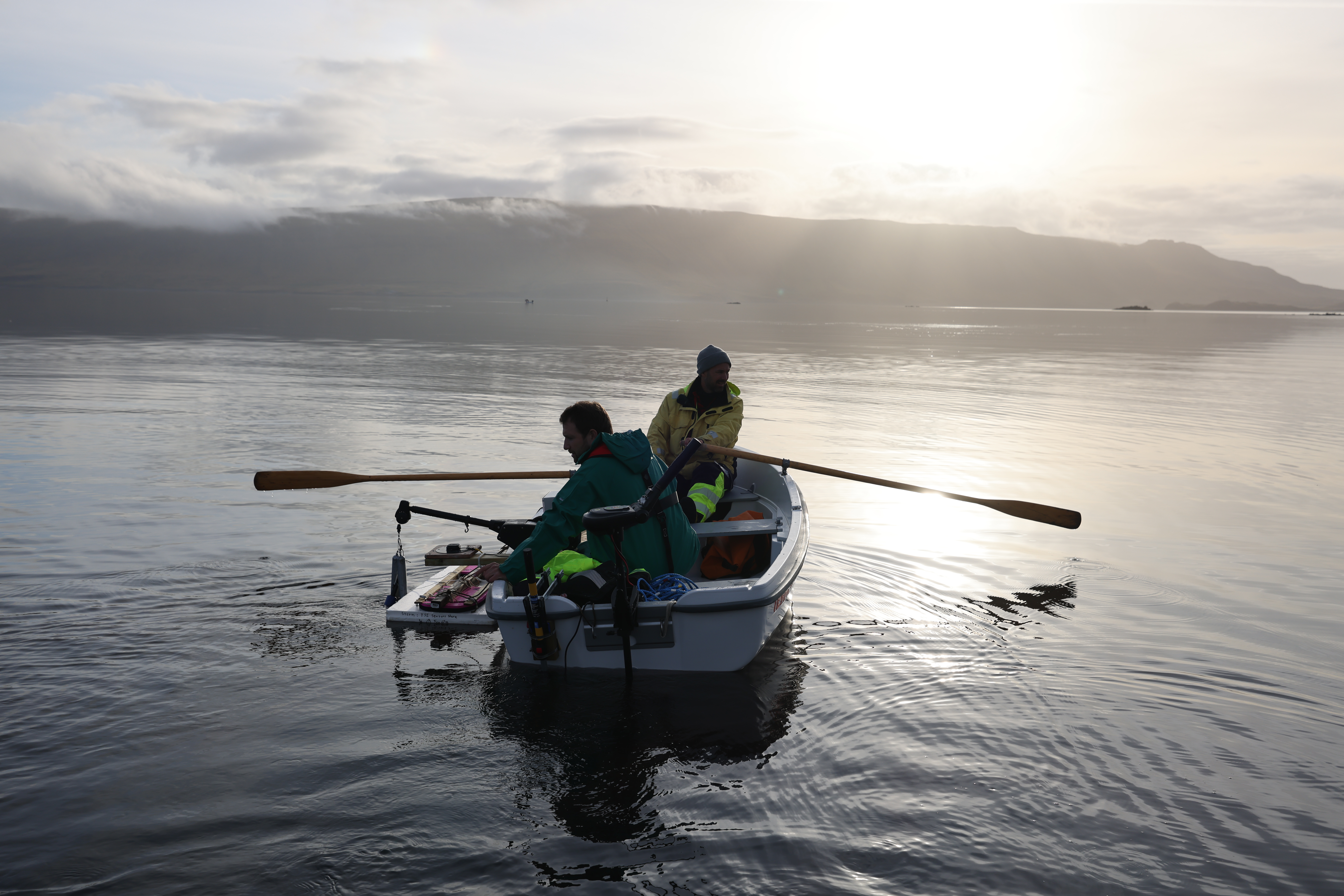
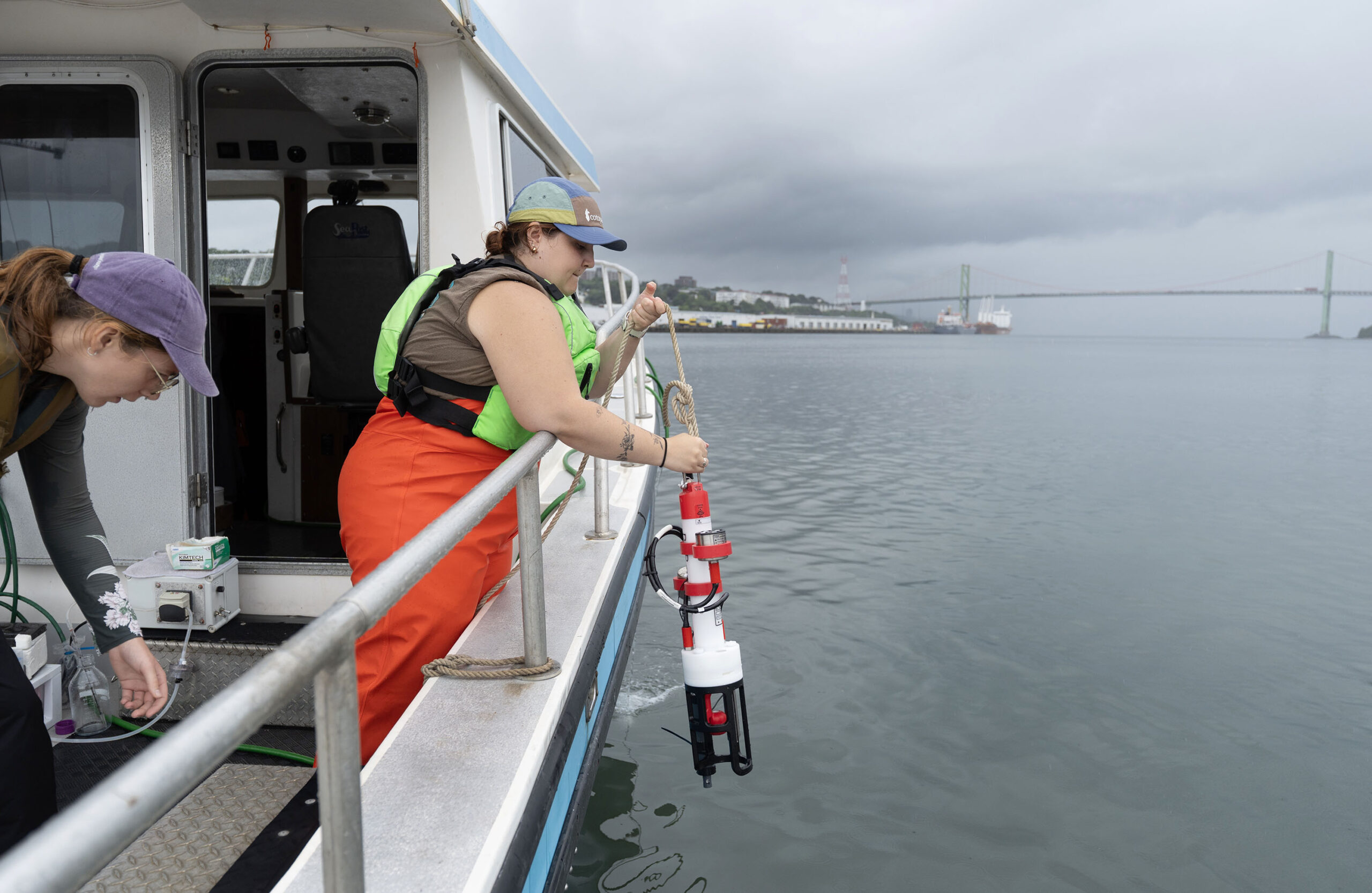
This expansion will build off a foundation of learnings over the past three years, where Carbon to Sea has funded first of its kind field research in Canada, U.S., and Europe. The new RFP will formalize and expand that foundation by supporting additional projects and partners around the world.
The next generation of field research sites will help shape society’s understanding of whether and how OAE could become a scalable solution to climate change. Carbon to Sea’s research priorities for this RFP include the following topics:
- Environmental impact drivers, thresholds, and field-based decision-making: Drivers of environmental risks and benefits across different ocean conditions, dosage levels, feedstocks, and deployment contexts. New and improved monitoring approaches to inform siting, scaling, and engineering decisions in the field.
- Systematically reduce MRV uncertainty: Prioritize, quantify, and reduce sources of uncertainties in carbon removal efficiency. Explore new combinations of measurements, models, and tools that improve the quality and affordability of MRV.
- Feedstock and method innovation: Accelerate development of low-carbon alkaline materials, and improve dissolution and stability for a range of deployment contexts.
- Dispersal engineering and industry-integration for scale: Field test and demonstrate high potential pathways, enable breakthrough industry integrations and dispersal configurations that balance engineering practicality, retention, environmental safety, and monitoring clarity under different oceanographic conditions.
- Governance and community engagement: Work with regulators to clarify research permitting pathways that enable transparent, responsible research projects. Collaborate with communities and rights holders to develop meaningful input on research goals and priorities, informed by effective science communication.
Carbon to Sea will be seeking proposals from researchers and field site developers around the world. Carbon to Sea is especially interested in hearing from researchers and institutions in the Global South, which remains underrepresented in ocean-climate research despite having a deep stake in the future of ocean-based climate solutions.
To encourage a broader set of applicants, Carbon to Sea is translating the RFP into six languages. The initiative also encourages applicants working in similar regions to collaborate on hub or consortium proposals that build shared capacity and accelerate learning across sites.
The application will be available at CarbontoSea.org in July.
##
About Carbon to Sea
The Carbon to Sea Initiative is a non-profit scientific research effort to advance ocean alkalinity enhancement (OAE) as a potential carbon dioxide removal solution. OAE works by accelerating the natural weathering process where alkaline minerals neutralize CO₂ in seawater, enabling the ocean to absorb more atmospheric CO₂. The initiative brings together scientists, engineers, and policymakers to rigorously evaluate whether OAE can safely and effectively remove billions of tons of carbon dioxide while countering ocean acidification. For more information visit: https://carbontosea.org/