
By Carbon to Sea Initiative
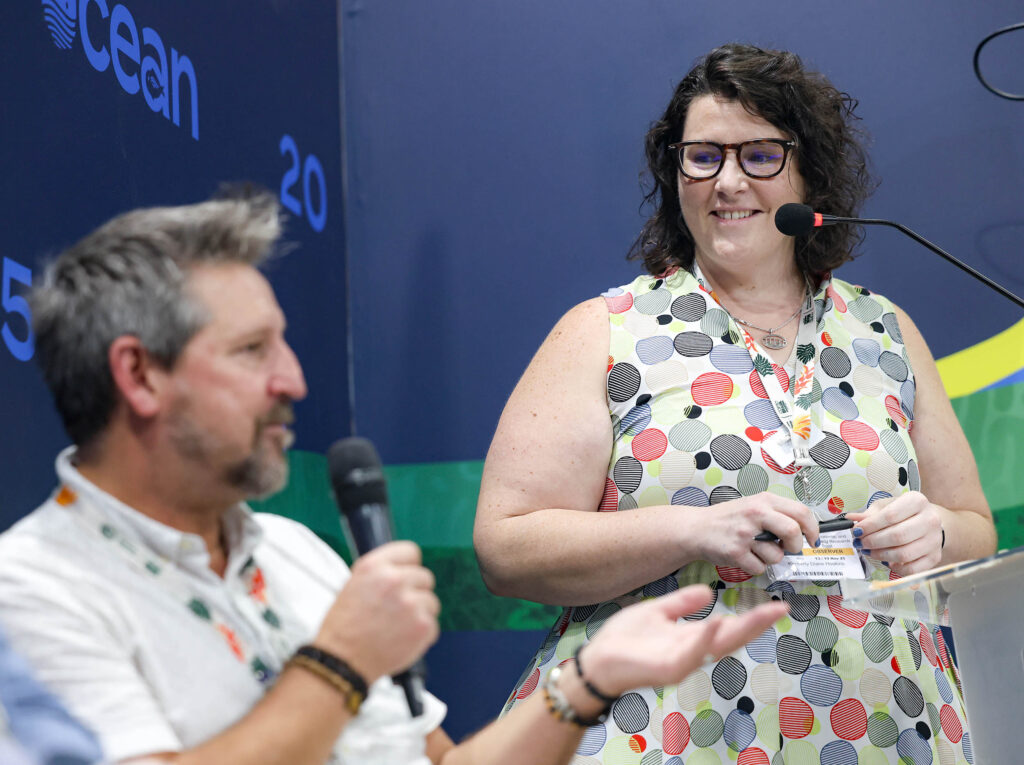
Diane Hoskins, Global Policy Director at Carbon to Sea, joined leading scientists, advocates, and policymakers at COP30 in Brazil to discuss today’s climate challenge and call on leaders to recognize the ocean’s vital role as a regulator of global climate.
Part global negotiation, part climate conference, COP30 delivered mixed outcomes. At the highest level, there’s growing recognition that the world is not on track to achieve major climate goals. Negotiators failed to secure language around fossil fuel phaseout, and the third round of Nationally Determined Contributions (NDCs) submitted by Parties to the Paris Agreement delivered less than 15% of reductions needed to stay within 1.5 ° C of warming. The negotiated text, the “Global Mutirão,” acknowledged for the first time that the world is likely to overshoot the Paris Agreement’s 1.5° Celsius goal.
Overshoot will have devastating environmental and ocean health impacts and underscores the urgency for rigorous assessment of oCDR alongside rapid emissions reductions.
But on the margins of the high-level negotiations, COP30 still offered opportunities for practitioners, policymakers, and advocates to come together to build relationships, share ideas, and make commitments. For example, the Brazilian presidency helped elevate ocean issues, with a number of new countries signing on to the Blue NDC Challenge to advance ocean-climate solutions through national policies. Carbon markets moved from negotiations to implementation, with a significant number of new initiatives announced by governments — both to enable financing and ensure high quality credits. Delegates were increasingly grappling with practical questions associated with the grave risk of inaction: what needs to get built, how do we pay for it, and what tradeoffs are required?
Carbon to Sea played a leadership role in this year’s Ocean Pavilion, facilitating dialogues on the latest oCDR research, governance needs, and funding progress:
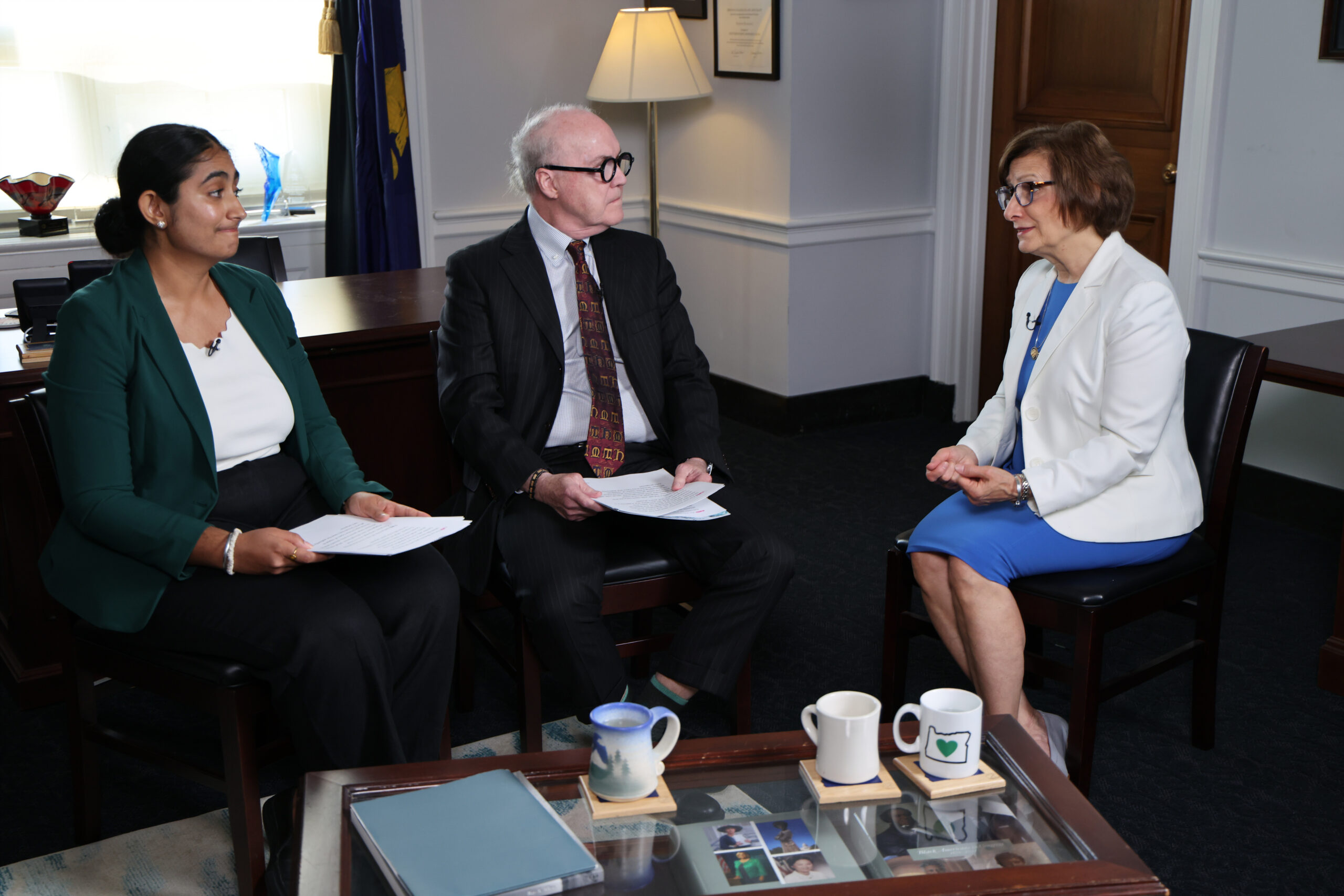
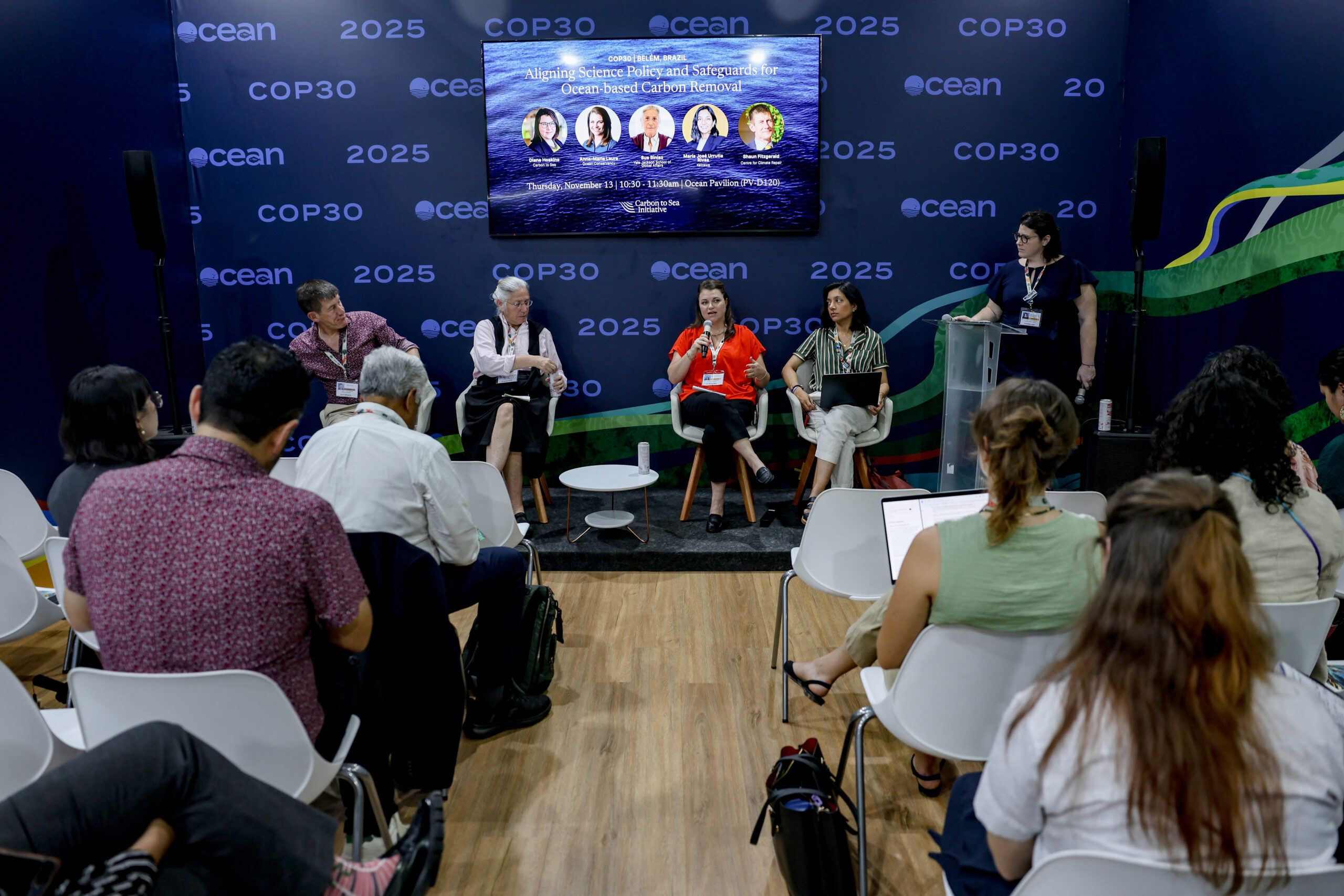
- Aligning Science, Policy, and Safeguards for Ocean-based Carbon Removal: This panel brought together policy experts and researchers from the US, UK, and Chile: Sue Biniaz, former US Principal Deputy Special Envoy for Climate, María José Urrutia Rivas from CINCO Chile, Anna-Marie Laura from Ocean Conservancy, and Shaun Fitzgerald from Centre for Climate Repair University of Cambridge. They highlighted the need for policy coherence between climate and ocean protection strategies, the importance of rigorous environmental monitoring and verification of carbon removal, and ensuring robust government and community engagement.
- Research for Sustainable Ocean-Based Carbon Dioxide Removal: This roundtable discussion with Katja Matthes from GEOMAR Helmholtz-Zentrum für Ozeanforschung Kiel (Germany), François Houllier from Ifremer (France), and Anna-Marie Laura from the Ocean Conservancy reviewed some of the latest advances in oCDR research and opportunities for integration in climate policies.
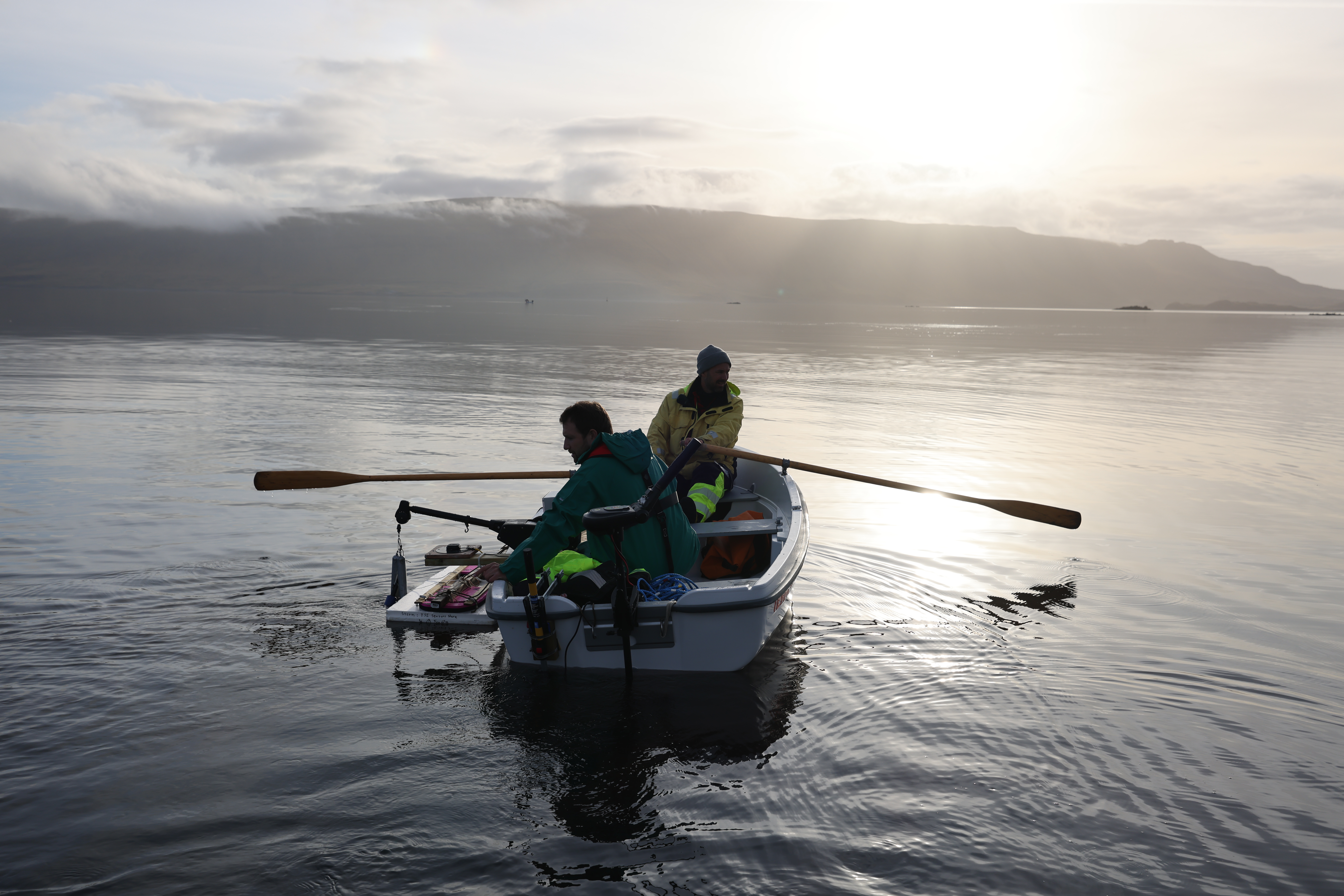
- Ocean Acidification and Alkalinity Enhancement: Global Case Studies on Impacts and Local Opportunities: This panel highlighted the intersection between a critical ocean climate challenge — ocean acidification (OA) — and emerging ocean alkalinity enhancement (OAE) research. Panelists discussed the impacts and adaptation strategies for coastal communities vulnerable to ocean acidification and the importance of scientific capacity around ocean carbonate chemistry for both OA and OAE. Carbon to Sea was joined by Jessie Turner from International Alliance to Combat Ocean Acidification, Rushingisha George from Tanzania Fisheries Research Institute, Espen Ronneburg from Pacific Community-SPC, and Matthew Frost from Plymouth Marine Laboratory (PML). The conversation also included a virtual briefing from Dr. Sarah Cooley.
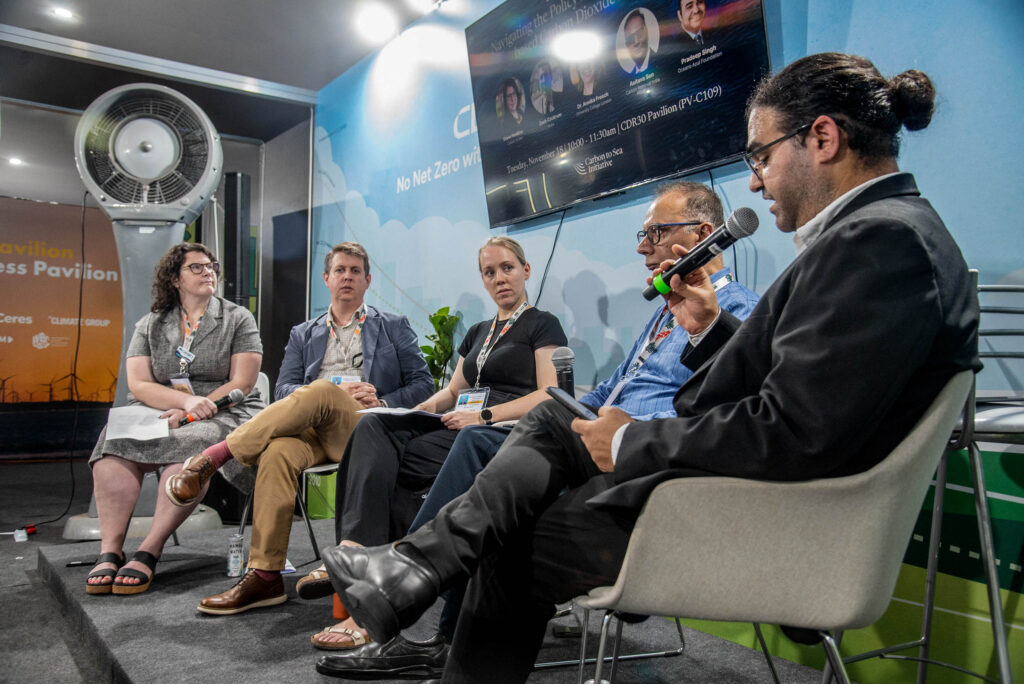
- Navigating the Policy Landscape for Ocean-based Carbon Dioxide Removal: One of just two oceans-focused events held at the CDR30 pavilion, this session provided an overview of marine CDR methods and relevant developments in policy and governance. Zach Cockrum from Vesta, PBC, Annika Frosch from University College London, Asitava Sen from Carbon Removal India Alliance (CRIA), and Pradeep Arjan Singh from Oceano Azul Foundation provided a range of public and private sector perspectives.
Across these sessions, Carbon to Sea noticed promising advancements, including a shift in focus from target-setting to implementation, greater attention on the ocean’s role in climate solutions, and more active engagement from governments on carbon markets and carbon removal roadmaps. We look forward to continuing these conversations and momentum in the year ahead.