
By Carbon to Sea Initiative
This week a bipartisan group of American legislators — Senator Brian Schatz (D-HI), Senator Lisa Murkowski (R-AK), Representative Suzanne Bonamici (D-OR), and Representative Buddy Carter (R-GA) — reintroduced the Removing and Sequestering Carbon Unleashed in the Environment and Oceans Act (ReSCUE Oceans Act). This legislation aims to strengthen federal support for research and development, establish clear governance frameworks and safeguards, and build a foundation for responsible development of ocean-based carbon dioxide removal (oCDR). This bipartisan and bicameral reintroduction marks an encouraging step in the ongoing effort to advance U.S. leadership on emerging ocean-climate solutions.
“Growing bipartisan support for ocean-based carbon dioxide removal research signals a clear appetite to rigorously assess the ocean’s role in climate solutions,” said Priyanka Hooghan, Senior Manager, Policy at Carbon to Sea. “If enacted, the ReSCUE Oceans Act will help maintain and grow American leadership when it comes to both ocean innovation and environmental stewardship. We applaud Senator Schatz, Senator Murkowski, Representative Bonamici, and Representative Carter for their leadership.”
If enacted, the ReSCUE Oceans Act would provide federal direction and coordination to help answer key questions about the potential of oCDR approaches, such as ocean alkalinity enhancement (OAE). The bill would create an interagency working group to develop a national research plan, establish a federal code of conduct for research, publish regular public reports, ensure data accessibility through a public portal, and ensure strong federal coordination on oCDR research and development efforts.
It would establish a dedicated oCDR research program at the National Oceanic and Atmospheric Administration (NOAA) focused on efficacy, ecosystem impacts, social impacts, sustainability, and commercialization pathways. NOAA would administer a competitive grant program open to universities, national labs, state and tribal governments, and other entities, with dedicated funding for community engagement and expanded monitoring capacity. The bill also authorizes designated research areas for controlled lab and field trials with coordinated permitting and oversight.
In addition, the National Science Foundation (NSF) would expand scientific grantmaking and workforce development programs for oCDR, the National Aeronautics and Space Administration (NASA) would integrate oCDR into existing monitoring and modeling efforts, and the National Institute of Standards and Technology (NIST) would develop measurement and validation tools to foster oCDR innovation.
Together, these provisions would create the scientific, governance, and monitoring infrastructure needed to rigorously evaluate oCDR approaches. By pairing innovation with clear guardrails and community engagement, the ReSCUE Oceans Act would help ensure that any future deployment of ocean-based carbon removal is guided by strong science and responsible stewardship.
Senator Schatz and Representative Bonamici highlighted the importance of coastal communities and responsible stewardship.
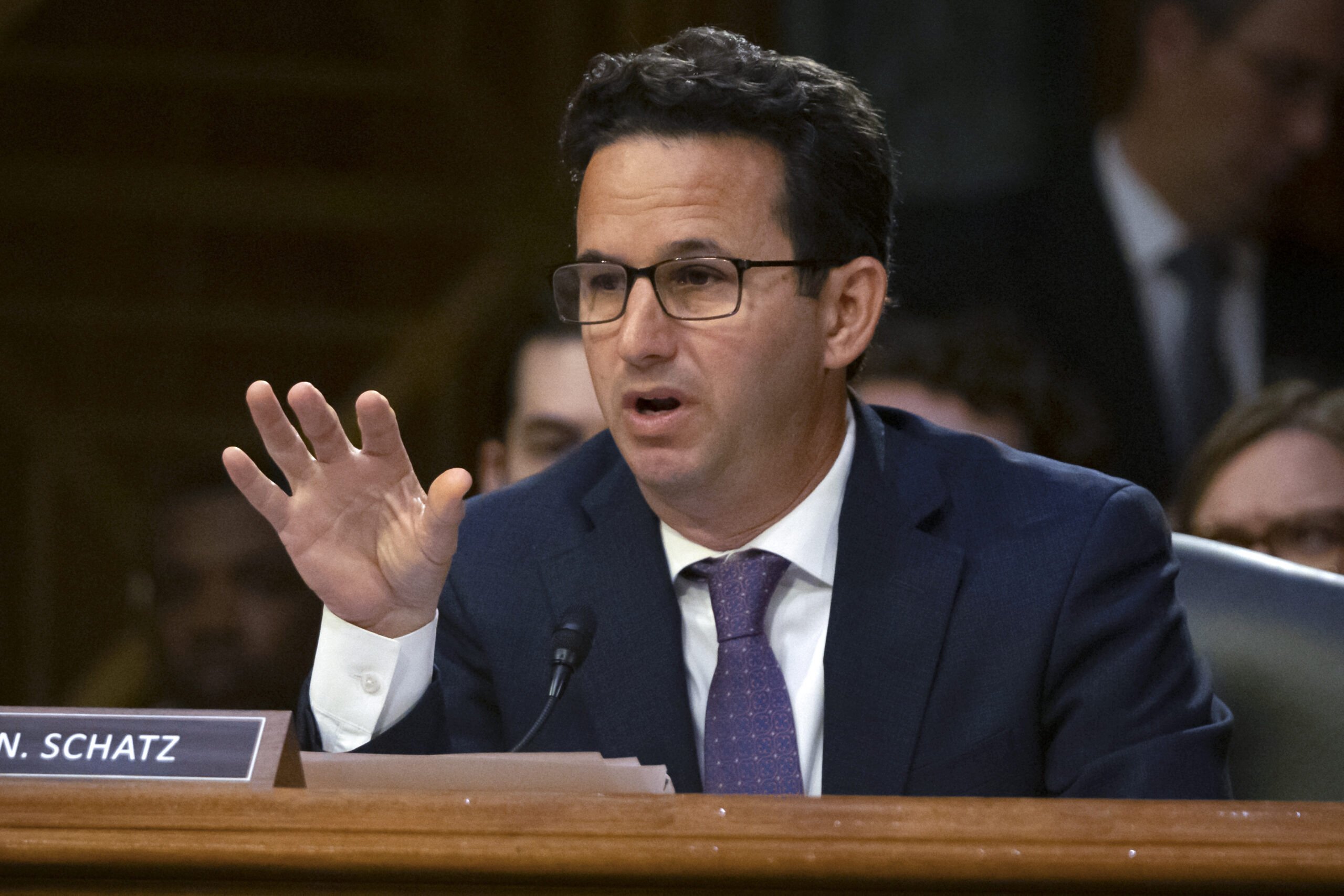
“Carbon dioxide removal (CDR) is an essential tool in the fight against the climate crisis, in addition to being a driver of American innovation,” said Senator Schatz. “Our bill will encourage research into marine CDR to ensure it’s safe, effective, benefits coastal communities, and protects ecosystems.”
“We must do all we can to reduce carbon pollution, which fuels more frequent and extreme weather events,” said Rep. Bonamici. “Marine carbon dioxide removal is a promising strategy that can enhance the ocean’s role as a natural carbon sink to absorb and store emissions. But we need more rigorous science, meaningful federal investment, and a clear research framework to safely deploy it. Oregon’s coastal communities understand the power and vulnerability of the ocean, and they should have a voice in studying mCDR. As Co-Chair of the House Oceans Caucus, I’m pleased to join my colleagues in leading this bipartisan legislation to explore responsible use of mCDR.”
Senator Murkowski and Representative Carter emphasized the importance of continued oCDR research and innovation as a driver of U.S. innovation.
“Alaska has unrivaled potential for carbon sequestration and carbon dioxide removal, both onshore and offshore. As the state with by far the most coastline, emerging marine options, such as seaweed and kelp farming, have shown great promise as we seek to responsibly reduce emissions on a net basis,” said Senator Murkowski. “Our bipartisan, bicameral legislation will provide for new research and development of these technologies in close partnership with local governments, communities, and the private sector. As we seek to develop them the right way – fully protecting our marine environment – I’m excited by what lies ahead and the opportunities this will help create across Alaska.”
“Marine carbon dioxide removal (mCDR) is an emerging tool to help us reduce and capture emissions while spurring economic innovation,” said Rep. Carter. “Our oceans absorb 30 percent of global carbon dioxide emissions. Funding further research for mCDR will help us better understand this emerging and exciting technology, and I am proud to colead this legislation with Congresswoman Bonamici, Congressman Tonko, Senator Murkowski, and Senator Schatz.”
With the introduction of this bill, we encourage lawmakers to join this bipartisan effort and pass the ReSCUE Oceans Act and further the future of climate science, innovation, and responsible oversight.
Read the press release, view the bill summary, and follow along at our website for future updates on the bill’s progress.