
By Carbon to Sea Initiative
New Canadian entity will expand support for research, governance, innovation, and ecosystem-building for ocean alkalinity enhancement and related ocean-based carbon removal approaches following $15M invested in Nova Scotia to date.
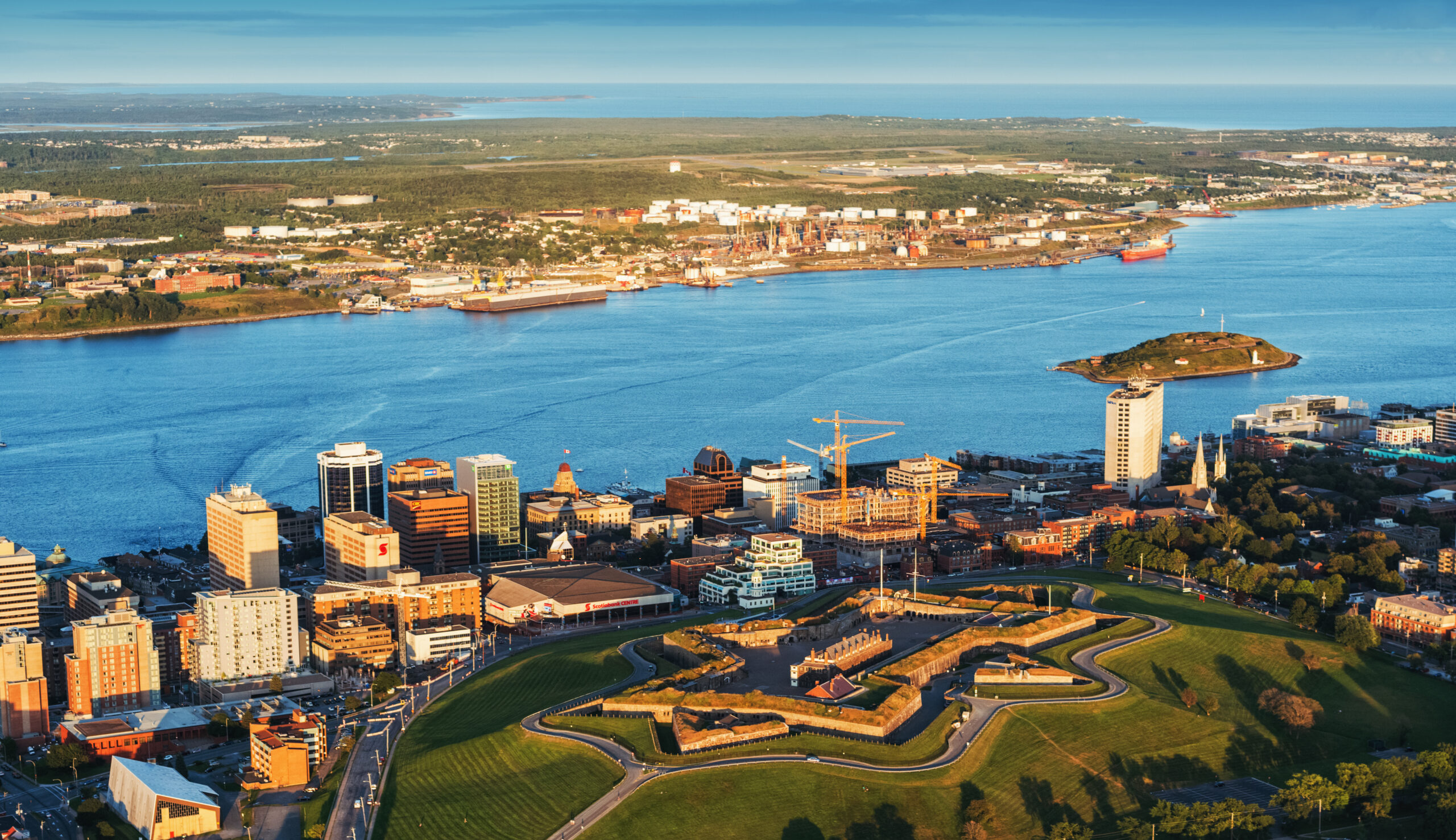
HALIFAX, NS — April 29, 2026 — The Carbon to Sea Initiative today announced the launch of Carbon to Sea Canada. Headquartered in Halifax, Nova Scotia, Carbon to Sea Canada will deepen the organization’s support for Canadian researchers, innovators, and communities advancing safe, transparent, and scientifically rigorous ocean-based carbon dioxide removal research.
Carbon to Sea is a philanthropically funded, science-led initiative focused principally on research of ocean alkalinity enhancement (OAE) and related ocean-based carbon dioxide removal approaches. Through Carbon to Sea Canada, the organization will extend its support for Canadian research; field demonstrations; measurement, reporting, and verification; and responsible governance. As a nonprofit initiative, Carbon to Sea Canada will ensure research and development advances with the strong safeguards, public transparency, and scientific integrity needed to support decision-makers as they consider the role ocean carbon management could play in Canada’s climate agenda.
The announcement comes alongside Carbon to Sea’s 2026 Annual Convening, held this year in Halifax on April 28-30. The Annual Convening brings together hundreds of researchers, scientists, entrepreneurs, funders, and policy experts from around the world to discuss the future of the field. Participants include major philanthropies, global NGOs, leading research institutions, and private-sector innovators, alongside Canadian ecosystem leaders such as Dalhousie’s Ocean Frontier Institute, Canada’s Ocean Supercluster, Net Zero Atlantic, Research Nova Scotia, MEOPAR, COVE, and others.
The formal opening on April 29 featured keynote remarks from the Honourable Jonathan Wilkinson, Canada’s former Minister of Fisheries and Oceans, Environment and Climate Change, and Energy and Natural Resources.
“Canada is well positioned to advance the responsible assessment of ocean alkalinity enhancement and to realize the economic opportunities that can flow from leadership in this field,” said Mr. Wilkinson. “The collaboration we are now seeing between academia, scientific institutions, and the private sector, particularly in Atlantic Canada, creates a strong foundation for leadership in both research and innovation, provided we continue to invest in the science, measurement and verification, and governance needed to build confidence.”
Halifax is increasingly recognized as a leading hub for ocean and climate innovation in the ocean-based carbon removal field, bringing together marine research institutions, ocean-technology companies, public-sector partners, and deep ocean observation capacity.
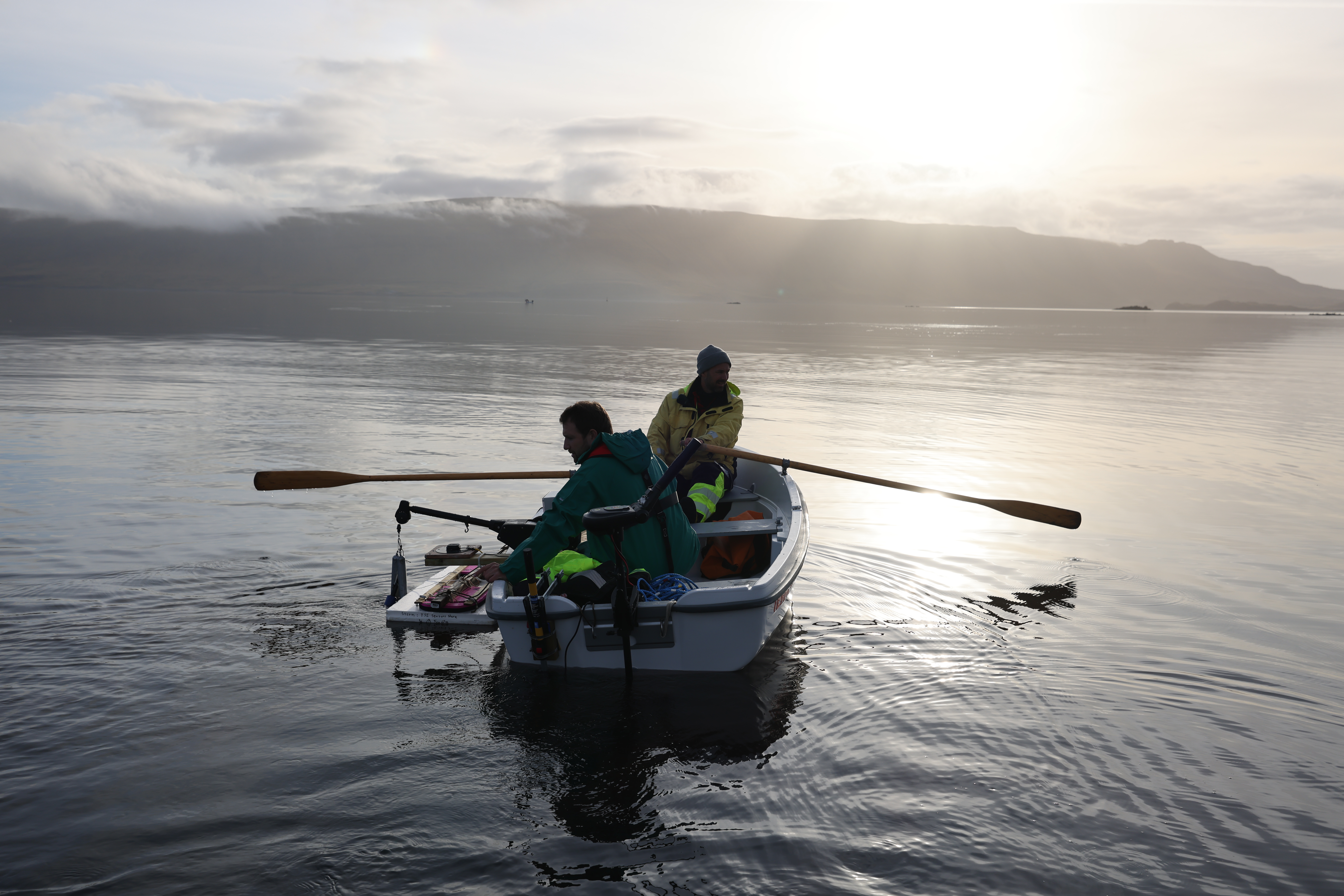
“Carbon to Sea has already invested more than $15 million in grants and research funding to academic, industry, and institutional partners in Nova Scotia,” said Dr. Antonius Gagern, Executive Director, Carbon to Sea. “Nova Scotia is the most advanced, globally recognized, early research and demonstration centre in the sector because of its collaborative ocean innovation ecosystem and unique attributes of the Bedford Basin. We are committed to furthering this work in Nova Scotia and across Canada.”
Coinciding with the launch of Carbon to Sea Canada, the initiative also welcomes its first new hire, Dr. Kohen Bauer, PhD. Based in British Columbia, Bauer brings extensive experience to the initiative as former Director of Marine Carbon Dioxide Removal at Ocean Networks Canada and will further strengthen Carbon to Sea’s scientific and regional capacity.
“Canada offers a strong foundation to help shape a responsible model for ocean-based carbon removal research that combines scientific excellence, regulatory rigour, and a track record for public-private partnerships to drive innovation,” said Miriam Zitner, GM, Carbon to Sea Canada. “As the Canadian Senate Standing Committee on Fisheries and Oceans calls for national carbon dioxide removal targets and accelerated recognition of alkalinity-based methods, we look forward to deepening existing and developing new partnerships to advance a responsible ocean-based carbon dioxide removal agenda in Canada.”
About Carbon to Sea Initiative
The Carbon to Sea Initiative is a philanthropically funded, science-led initiative focused on ocean alkalinity enhancement and related ocean-based carbon dioxide removal approaches. Carbon to Sea supports high-integrity research, field demonstrations, measurement, reporting and verification, and governance work to help ensure that any exploration of ocean-based carbon removal is guided by rigorous science, strong safeguards, and public transparency.
ADDITIONAL QUOTES:
“In launching Carbon to Sea Canada, the global environmental research community is telling the world that Canada is ready to take a leading role in combatting the climate crisis. It being headquartered in Halifax is a clear showcase that our city is a prime hub for ocean sciences, innovation, and forward-looking research. I am extremely proud to represent this region.” – Shannon Miedema, Member of Parliament, Halifax
“Carbon to Sea’s grants to Dalhousie University over the last 3 years, in synergy with the amazing efforts of local climate-tech companies Planetary and CarbonRun, have been instrumental in catapulting Halifax to a world-leading position in OAE research. The launch of Carbon to Sea Canada today is a significant milestone that will, without a doubt, further accelerate responsible and transparent research into ocean alkalization in Halifax and beyond.” – Dr. Katja Fennel, Professor of Oceanography, Dalhousie University, Halifax
“Establishing Carbon to Sea Canada is a pivotal step toward ensuring that ocean-based climate solutions reflect Canadian expertise, local priorities, and Indigenous leadership, and that responsible marine carbon dioxide removal research is co-developed and implemented with place based knowledge.” – Jamie Snook, Executive Director, MEOPAR
QUICK FACTS:
- More than 30% of Carbon to Sea’s original $50 million grant funding has been directed to Canada, including more than $15 million invested in Nova Scotia to date to support early research, monitoring, and demonstration activity.
- A 2025 Canada’s Ocean Supercluster report found that marine carbon dioxide removal in Canada could reach 90-170 MtCO2 per year by 2050, enough to meet roughly 40% of Canada’s projected carbon removal needs.
- The same report projects that ocean-based carbon dioxide removal could grow into an industry on the scale of Canada’s electricity sector, supporting up to 90,000 jobs, contributing up to $20 billion in GDP, unlocking more than $30 billion in investment potential, and creating opportunities to develop and export Canadian intellectual property.
- The Senate Standing Committee on Fisheries and Oceans has called for a federal marine carbon dioxide removal task force; a national OAE research strategy; stronger measurement, reporting, and verification; and clearer governance to support responsible development in Canada.
- Nova Scotia hosts a maturing ocean-based carbon dioxide removal ecosystem, including active work by Planetary Technologies and CarbonRun, which together have announced approximately $80 million in carbon removal credit purchases, highlighting the province’s growing role as an early commercial hub for the sector.
- Ocean science and research institutions including Dalhousie University, the Ocean Frontier Institute, COVE, Research Nova Scotia, Net Zero Atlantic, MEOPAR, and the Bedford Institute of Oceanography also complement Nova Scotia’s competitive advantage in this sector.
RESOURCES:
- Report of the Senate Standing Committee on Fisheries & Oceans on ocean carbon sequestration
- The Potential for Marine Carbon Dioxide Removal in Canada – Executive Summary (Canada’s Ocean Supercluster)
MEDIA CONTACT:
Name: Danny Gawlowski
Email: danny@carbontosea.org