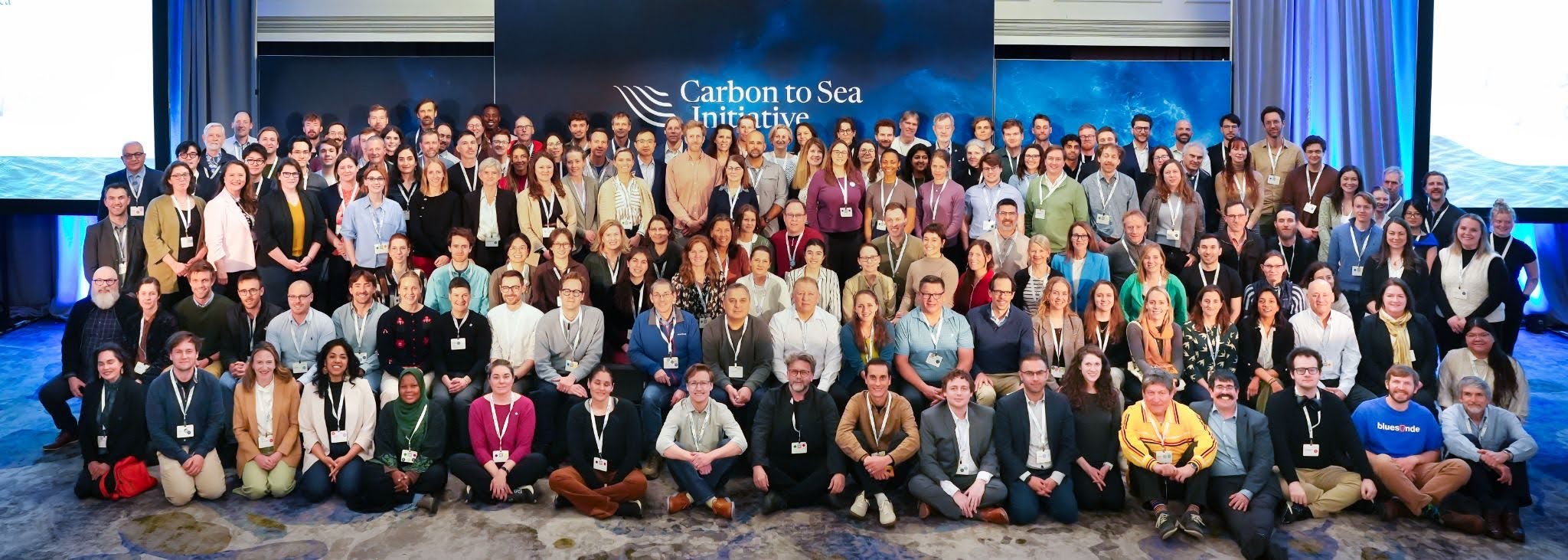

By Carbon to Sea Initiative
Last week, Carbon to Sea convened leaders from academia, industry, government, and nonprofits in Halifax, Nova Scotia, Canada for our fourth Annual Convening. Global leaders from across the field came together to advance our understanding of ocean alkalinity enhancement (OAE).
Over three days, participants gathered for site visits to local OAE projects, presentations, panel discussions, and workshops focused on the evolving state of OAE. Discussions spanned the latest scientific findings on efficacy and environmental impacts, emerging policy frameworks at national and international levels, the role of markets and private sector actors, Indigenous science partnerships, and practical approaches to measurement, reporting, and verification (MRV). The Convening emphasized both the rapid progress across the field and the work still needed to responsibly scale OAE.
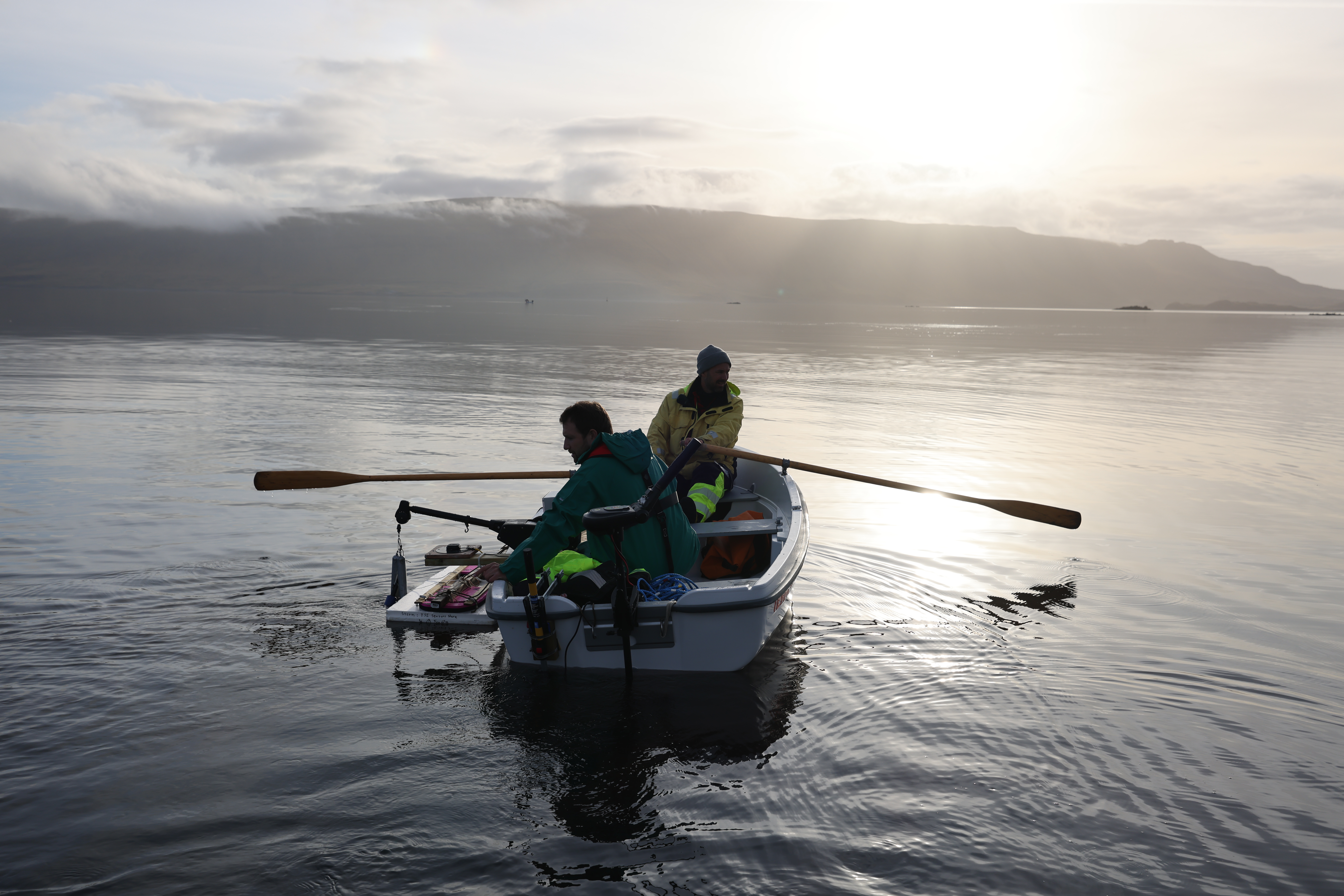
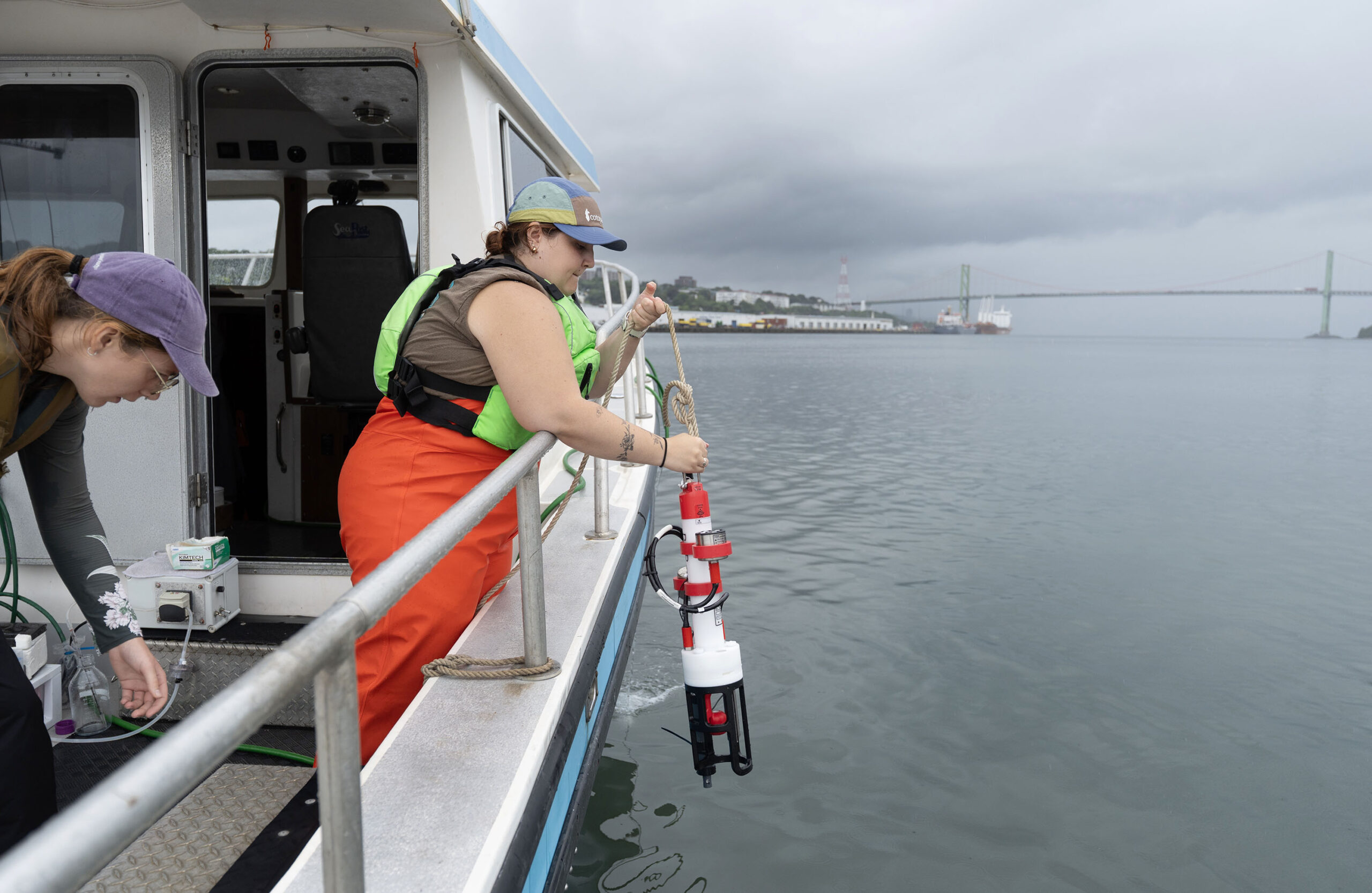
The Convening began on Tuesday, April 28 with site visits to Dalhousie University’s OAE and ocean-climate laboratories, as well as Planetary’s operational facilities at Nova Scotia Power. These visits offered attendees a firsthand look at how research and small scale alkalinity additions are being conducted in practice. In the evening, participants gathered for a welcome reception, reconnecting with colleagues and setting the stage for the days ahead.
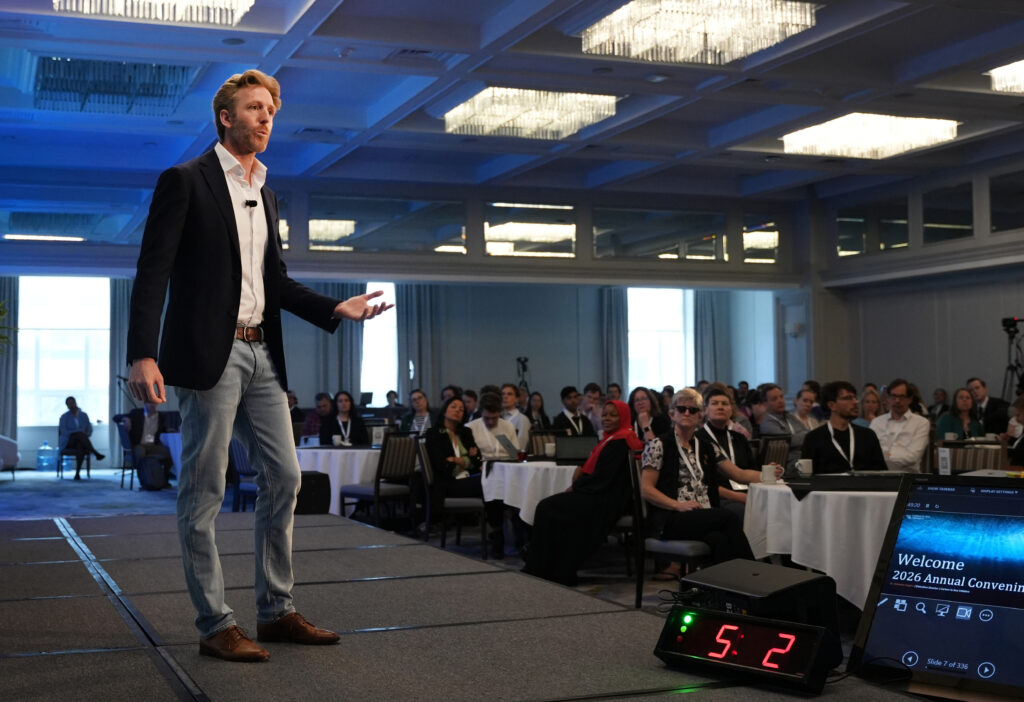
During the reception, Dr. Antonius Gagern, Executive Director of Carbon to Sea, announced the launch of Carbon to Sea Canada, deepening support for and engagement with Canadian researchers, innovators, and communities advancing oCDR research. Miriam Zitner, Carbon to Sea’s Canada Lead, will serve as the General Manager.
Dr. Gagern opened Wednesday’s programming alongside Dalhousie University’s Elder in Residence, Ann LaBillois, and Fawn Sharp, former President of the National Congress of American Indians. This opening grounded the Convening in the indispensable role of Indigenous leadership and knowledge.
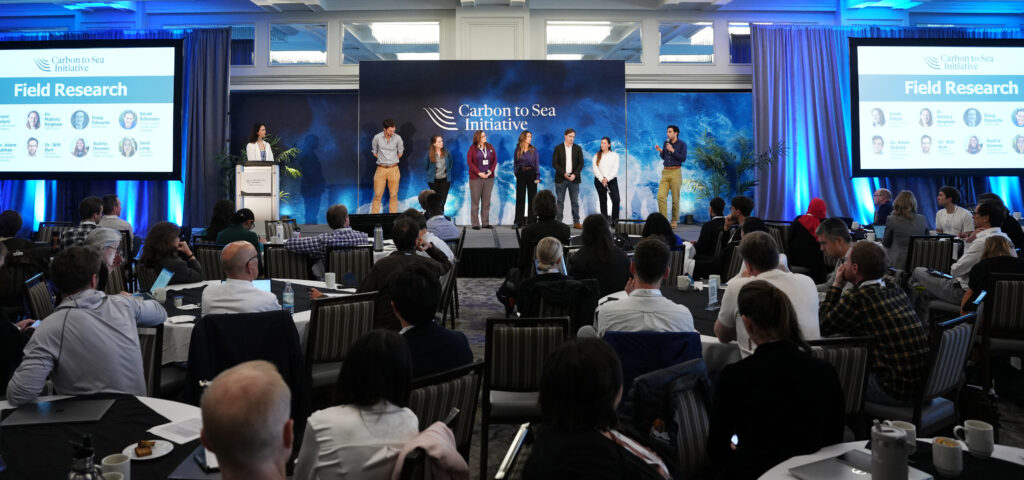
The morning session on the “State of OAE Research” highlighted major advances across three key areas: efficacy, environmental impacts, and field research. Speakers underscored both the accelerating pace of scientific output and the growing need for expanded field trials to validate laboratory and modeling results.
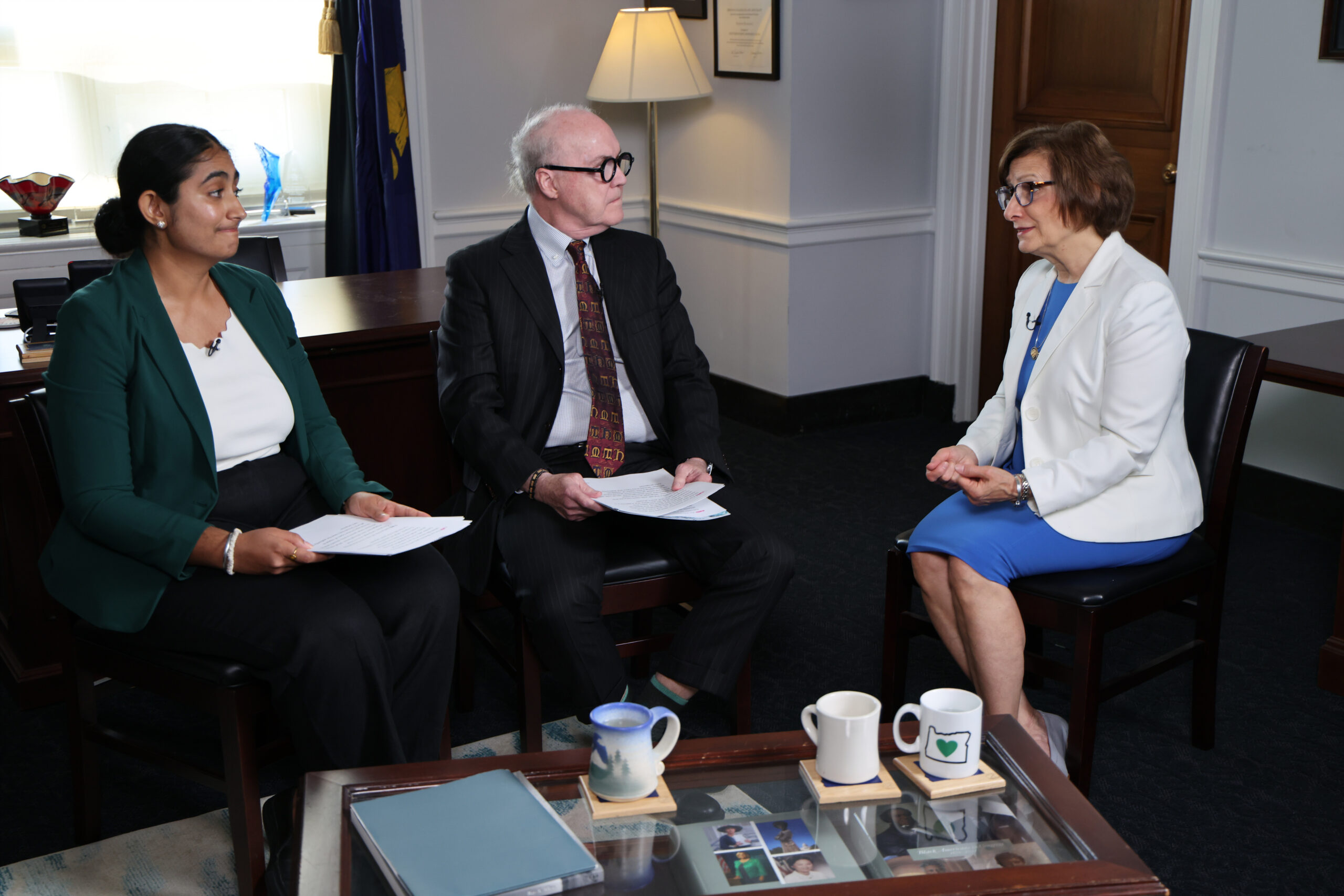
Attendees then heard from Minister Julie Dabrusin, Minister of Environment and Climate Change of Canada, and the Honourable Jonathan Wilkinson, Member of the House of Commons of Canada for keynote remarks. These addresses emphasized Canada’s leading role in OAE research and climate policy to date. Looking ahead, Ministers Dabrusin and Wilkinson called for increased collaboration between those in the room and leaders in the Canadian government — setting the stage for the Convening’s afternoon sessions.
In the afternoon, panels on “Governing oCDR: National Signals and International Frameworks” explored how policy environments are shaping research and deployment. Case studies from the European Union, United Kingdom, Africa, Chile, Australia, and Canada illustrated how national and subnational policies are influencing project development. And the “International Governance and oCDR: Needs and Opportunities” panel unpacked key international frameworks, including developments under the London Convention and Protocol (LC/LP), the United Nations Framework Convention on Climate Change (UNFCCC), and the Biodiversity Beyond National Jurisdiction (BBNJ) agreement. Together, these sessions highlighted the opportunities and gaps in creating a coherent governance landscape for oCDR.
The day concluded with a poster session reception, where attendees engaged with a wide range of emerging research and project designs, fostering deeper discussion and collaboration across disciplines.
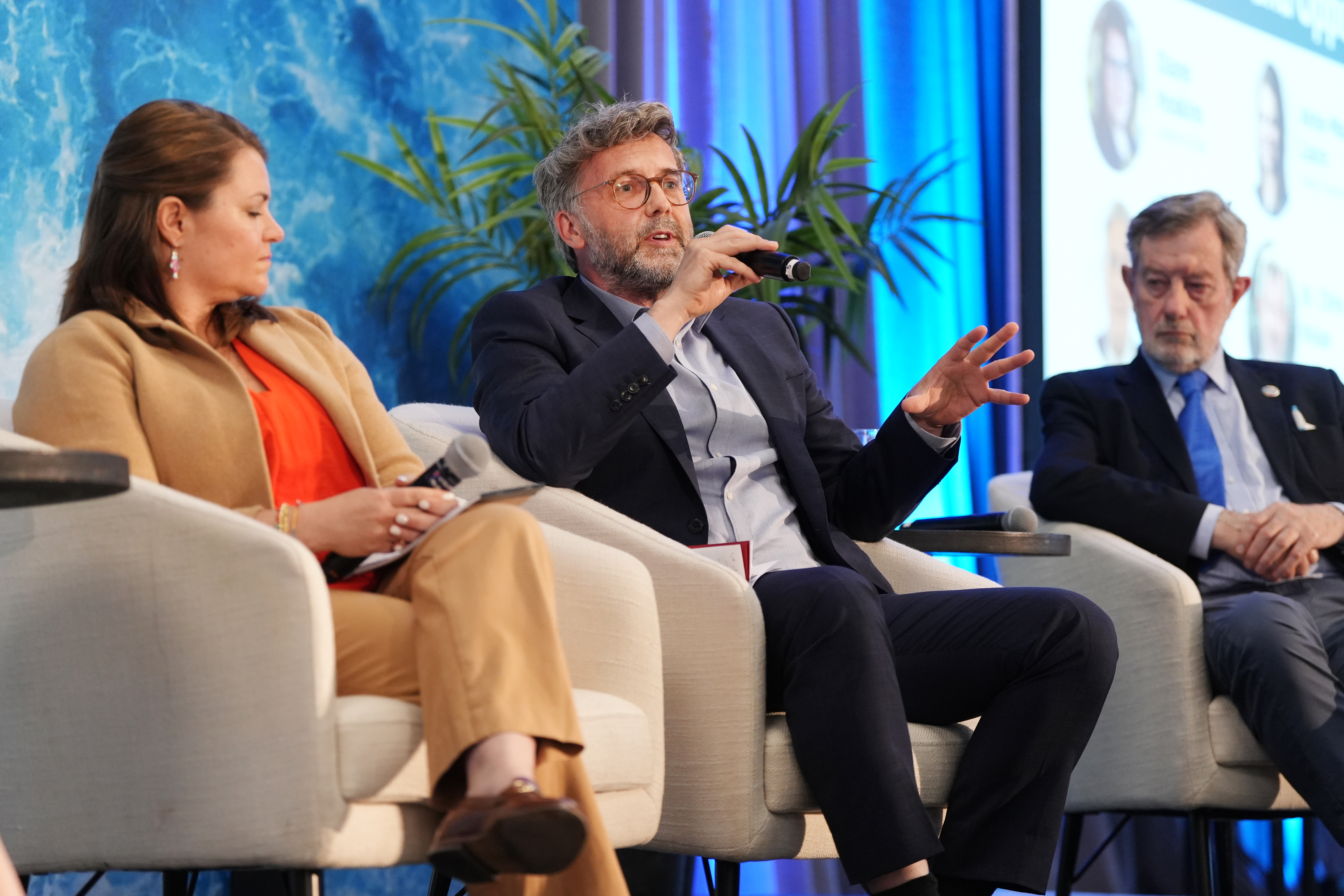
Thursday’s sessions built on lessons learned about OAE’s safety, efficacy, and scalability, and turned towards questions of implementation. The morning opened with a discussion on “Exploring Markets and OAE’s Place,” examining the evolving role of private capital, carbon markets, and commercial actors in advancing OAE. Panelists shared diverse perspectives on how market mechanisms can support research while maintaining scientific integrity and public trust.
Participants then moved into concurrent workshops designed to tackle some of the field’s most pressing challenges. Morning sessions included a workshop on Indigenous science partnerships, which emphasized the importance of centering Indigenous-led research and integrating Indigenous alongside Western knowledge systems through “two-eyed seeing” approaches. Another workshop focused on MRV measurement requirements, aiming to align methodologies from project-level monitoring to global-scale impact assessment. Participants in a third workshop examined lessons from integrating OAE into coastal and industrial systems, exploring how early pilot projects can inform larger-scale deployment.
In the afternoon, attendees participated in three more concurrent workshops, one of which focused on building a shared research and development roadmap for the next decade, identifying key scientific milestones and decision points needed to support policy and investment. An additional session explored lessons from early community and policy engagement. And another introduced new tools for assessing environmental risk, including the Framework for Ecotoxicological Modeling of mCDR (FEMM). These discussions reflected a growing emphasis on translating early research into actionable frameworks and best practices for the field.
The Convening closed by synthesizing insights from across workshops and a closing reception.
We hope this year’s participants left with a clearer sense of the field’s trajectory, strengthened cross-sector relationships, and a shared commitment to advancing OAE research responsibly.
Thank you to all of the researchers, practitioners, policymakers, and community leaders who joined us in Halifax. The conversations and collaborations that emerged over these three days will help shape the next phase of oCDR. In the coming weeks, Carbon to Sea will share additional materials and outputs from the Convening, including a more detailed summary of session discussions and key takeaways.