
By Carbon to Sea Initiative
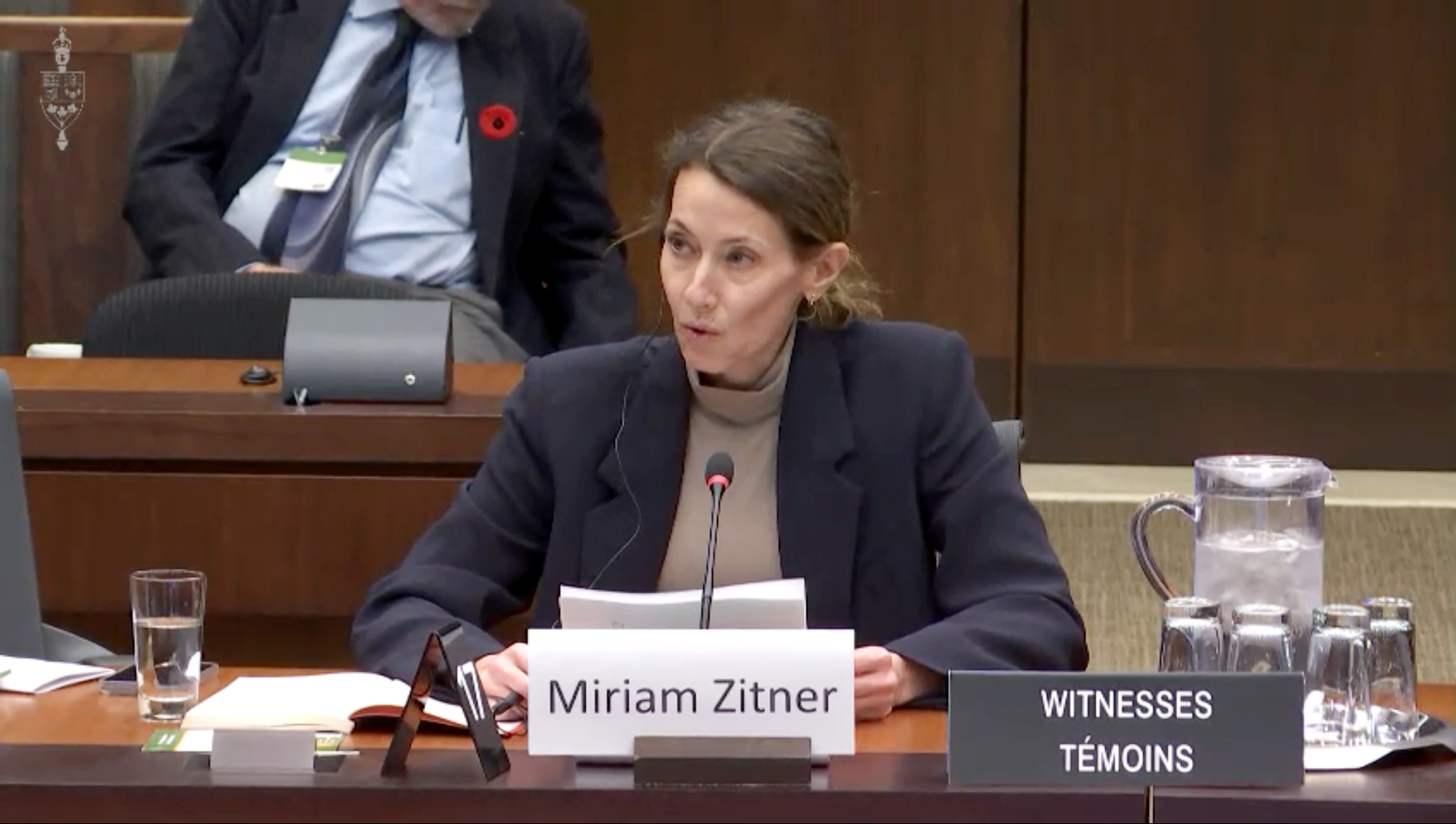
On October 29, Miriam Zitner, General Manager of Carbon to Sea Canada, appeared before the House of Commons Standing Committee on Environment and Sustainable Development to outline how marine carbon removal (mCDR) can support Canada’s carbon management strategy.
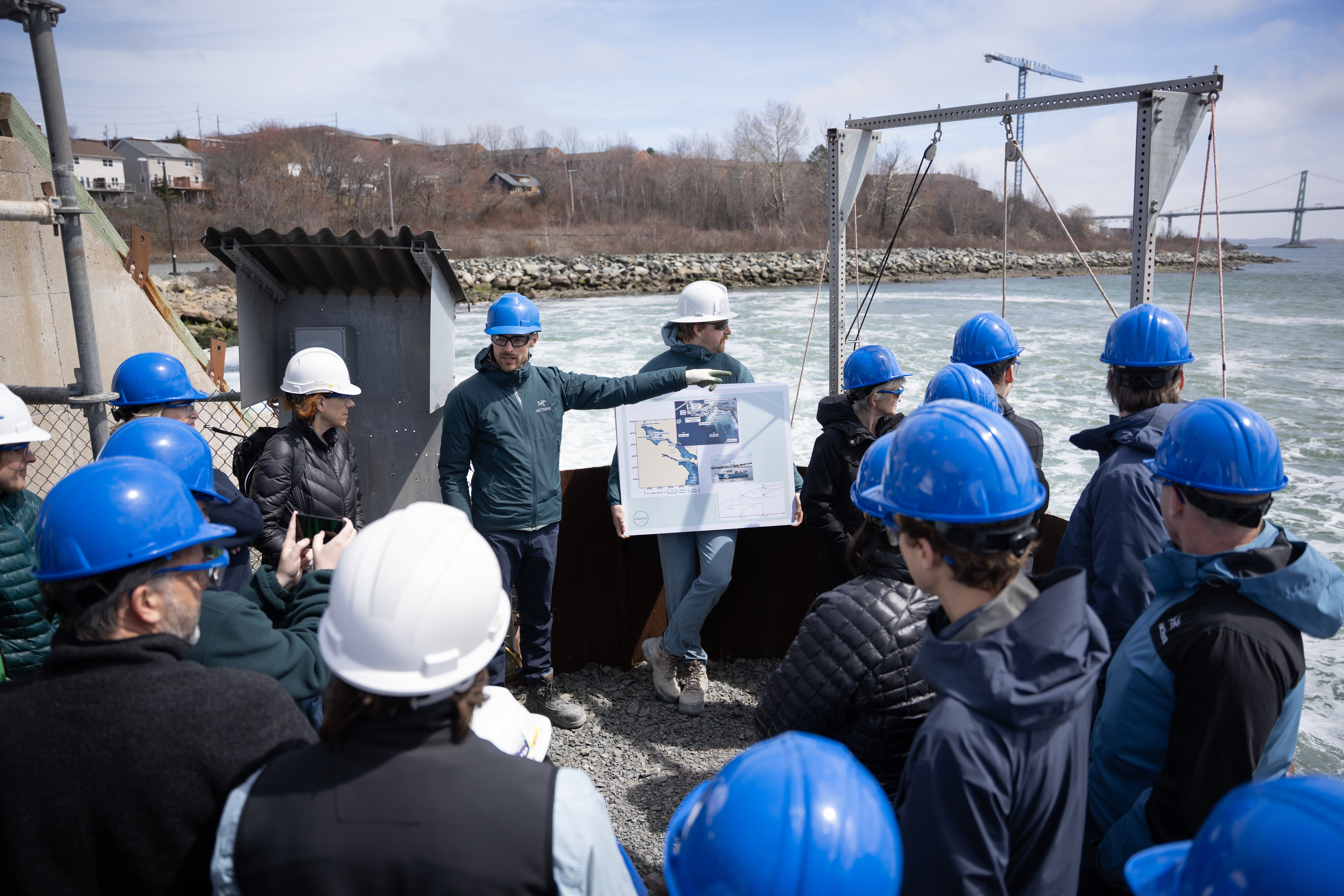
Already, Canada is home to advanced, real-world mCDR research. Zitner described how philanthropic seed capital, field research, and multi–sector partnerships in Halifax, Nova Scotia, are working to improve the field’s understanding of emerging ocean-climate solutions like ocean alkalinity enhancement (OAE).
Zitner discussed how existing work in Halifax can act as an operational blueprint for responsible marine climate solutions. Carbon to Sea has invested close to $20 million in grant funding to date, funding first-of-their-kind field trials in Halifax Harbour. This work, Zitner explained, is supported by partnerships with local institutions like Dalhousie University, leading ocean innovation institutions like COVE, the Ocean Frontier Institute, and MEOPAR, and in close collaboration with private-sector partners, all of whom have strong working relationships with Indigenous communities and the Nova Scotian fishing industry.
So far, the results illustrate that rigorous environmental monitoring is possible and carbon removal can be measured. Private carbon markets are responding to this progress by committing up to $80 million for carbon removal to Nova Scotian start-ups in the field.
“Together, we are maximizing the impact of existing resources while demonstrating how collaboration for innovation can work: responsibly paced, well governed, transparent, and built in Canada,” said Zitner. “The scientific community agrees that a portfolio approach to carbon removal will be required to meet our climate goals and protect people, and OAE is widely regarded as a high-potential approach worth evaluating.”
Zitner outlined three recommendations for the committee, including:
- Marine carbon removal must be included in Canada’s carbon management strategy. Where incentives exist for carbon capture and storage, ocean-based storage should qualify on the same terms;
- Canada should integrate ocean carbon removal with existing investments. Programs like the Defence Industrial Strategy’s evolution of the ITB framework and Canada’s commitment to the OceanEye Alliance, and more, can help to advance the sensors and autonomous tech needed to measure removal; and
- Ottawa should consider provincial leadership in advancing federal guidelines and develop a consolidated access point to permitting and enforcement.
You can read Zitner’s written testimony below, download the written testimony, and view the full transcript on the Senate of Canada site.