2025 Annual Report
Letter from the Executive Director
The only well-understood and cost-effective way to counteract climate change is emissions reductions: we know the levers, we have started to bend the curve, and we must bend it more aggressively.
But even the most ambitious decarbonization scenarios suggest atmospheric carbon dioxide removal (CDR) will have to complement emissions reductions on the order of 500 billion tons of CO₂ this century. That’s a frightening outlook because most CDR pathways under consideration have so far shown to be expensive, come with scaling constraints, risk harming the environment, or all of the above.
To get there, we must walk a very fine line: develop rapidly scaling solutions without harming people and nature in the process.
I believe that the only way to achieve this enormous and delicate task is by doing the hard work to really understand what works and what doesn’t, and then build the enablers and guardrails for a sector that is both capable of delivering and incentivized to do so with integrity. We founded the Carbon to Sea Initiative as a non-profit in 2022 to do exactly that for ocean alkalinity enhancement (OAE) — a family of CDR pathways that propose increasing seawater alkalinity to increase the ocean’s absorptive capacity for atmospheric CO₂.
This report takes stock of our work in 2025 — a pivotal year for our organization and the field of OAE writ large. We put a lot of love into these reports and I hope you find the time to read through it in detail. I think that everyone will take away something slightly different, but, to me, three high-level observations jump out above all:
ONE: We’re narrowing the solution space.
Years of lab and mesocosm studies are beginning to yield a mechanistic understanding of safety and efficacy across different alkaline feedstocks. This matters because it helps define the thresholds at which desired effects can be achieved and undesired effects avoided. Only a few years ago, the field had relatively little to guide its work. Now, the data puzzle is slowly filling in. This has two important consequences. First, research becomes more productive because we know better where to look. For example, a much stronger understanding of how carbonate chemistry changes affect phytoplankton and some zooplankton now helps guide environmental impact studies on higher trophic levels. Second, a clearer picture of both knowledge and knowledge gaps makes it possible to build practical tools for field research, including the Environmental Impact and Monitoring Framework we developed with PML Applications and more than 60 researchers to support a careful, stage-gated approach.
TWO: The first wave of real-world demonstrations pave the way for field research in coming years.
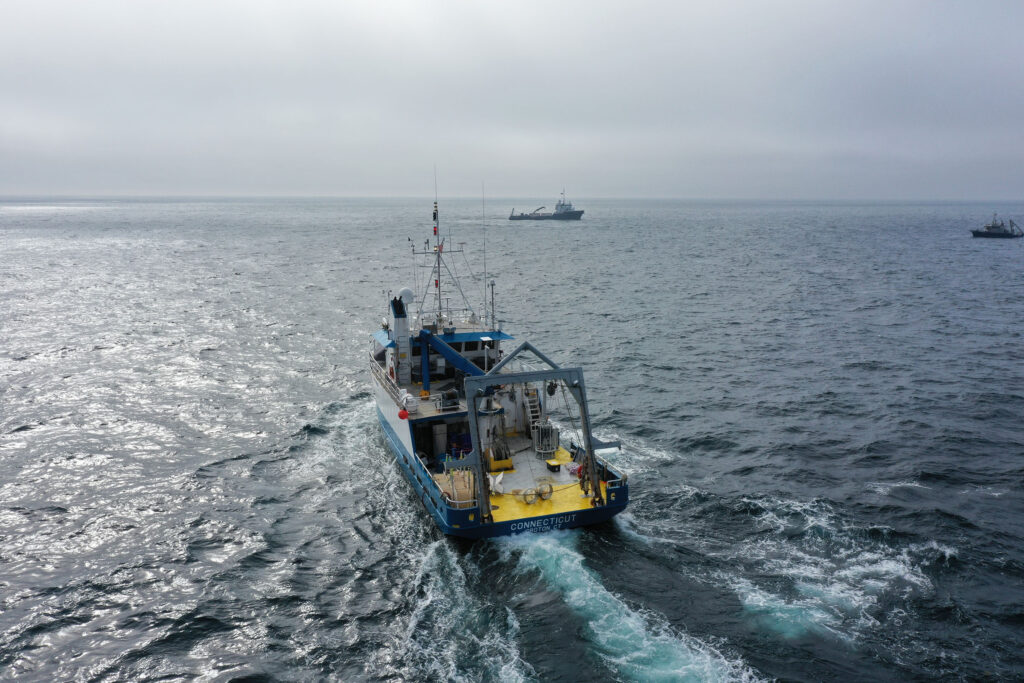
In 2025, a series of small-scale field research studies were successfully conducted across four continents, each building on years of careful baseline data collection, modeling, lab analysis, and mesocosm studies. This includes field research by our grantees in the United States, Canada, Iceland, and Australia — each designed to test OAE under real-world conditions. In addition to funding this research, we invested in the standards, tools, and independent analysis needed to help the broader field make sense of emerging results, including the OAE Data Management Protocol and our independent evaluation of the first OAE credits. We also laid the groundwork for the next step beyond this first wave of trials: a coordinated global field research network designed to generate cumulative, comparable, decision-relevant evidence across sites.
THREE: OAE is gaining significant interest from governments and NGOs.
Active — and sometimes contentious — discussions at the London Convention/London Protocol, alongside growing attention to carbon removal at the UNFCCC, have created real demand for strong science and policy support. We‘re seeing a growing number of governments showing up to educational events with a low baseline of knowledge and an appetite for more. Better still, we‘re beginning to see some governments transition from early interest to some actively seeking input as they develop policy guidance — a sign of increased maturity and Carbon to Sea’s role as a trusted resource. That’s shown up in behind-the-scenes requests for resources as governments prepare for international meetings, and in more public moments like Carbon to Sea’s testimony before the Canadian Senate.
This work is only possible because of the incredibly generous support of our funders who share our vision that the evaluation and advancement of novel CDR proposals — like ocean alkalinity enhancement — requires outcome agnostic research and evidence-based discourse at every level, from coastal community to international treaty.
—
Dr. Antonius Gagern
Executive Director, the Carbon to Sea Initiative
Overview
Carbon to Sea’s Annual Report highlights progress in evaluating ocean alkalinity enhancement (OAE) over the past year. In 2025, we advanced understanding of OAE’s environmental impact, helped launch first-of-their-kind field research studies to generate real-world evidence, strengthened engagement with global government leaders, and supported the continued development of the field in a safe, transparent, and collaborative manner.
The report is organized into the following sections: Science and Technology, Field Research, Policy and Communications, and Responsible Sector Development.
Advancing the Science That Strengthens Field Research
As field research expands globally, Carbon to Sea’s science and technology investments are designed to directly strengthen that work. Field research is informed by laboratory and mesocosm experiments, guided by modeling, and supported by monitoring tools. Each science and technology investment is designed to reduce risk and uncertainty before, during, or after field research — including by clarifying what conditions to test, what materials to use, what biological responses to monitor, and what alkalinity levels are realistic.
In 2025, we continued to fund foundational science that helps define environmental boundaries, refine deployment approaches, and improve measurement systems. Our science and technology efforts are focused on two areas that reinforce field research: minimizing environmental impacts and strengthening confidence in efficacy.
Environmental Impact
Our research portfolio on the environmental impacts of ocean alkalinity enhancement (OAE) focuses on improving understanding of the main types of perturbations that may affect marine organisms. These include changes to seawater carbonate chemistry, the introduction of feedstock impurities (e.g., heavy metals, nutrients), and interactions between feedstock particles and organisms. Through targeted laboratory and mesocosm experiments, the studies we supported have identified critical thresholds (i.e., alkalinity levels at which intended or unintended impacts can be observed) and are beginning to provide mechanistic insight into how different OAE feedstocks and dosing strategies cause these perturbations. This work is helping to identify feedstock-specific deployment approaches that can minimize undesired ecological impacts during field research. Examples of this research are highlighted below.
“The available evidence generally suggests that intentional alkalinity changes realistically imposed through OAE will generally not cause detectable changes in the environment,” said Dr. Lennart Bach of the University of Tasmania, who has created a synthesis of OAE modeling and biological impact research.
Mesocosm Research as Part of the Alk-Align Project
The Ocean Alk-Align project is in year four of a five-year research program, and it includes work at five universities and research institutions in Canada, Germany, and Australia.
In 2025, researchers at GEOMAR in Germany, in collaboration with colleagues at Southern Cross University in Australia, have sought to use mesocosm experiments to observe how marine life responds to alkalinity additions under natural conditions. This has included mesocosm work in Spain and Germany supported by Carbon to Sea in prior years.
There were two important advancements last year: First, experiments were conducted across multiple seasons, including high-bloom spring conditions and more stratified summer and fall waters, to capture how responses to alkalinity additions vary. The spring is particularly important because it features the annual peak in phytoplankton biomass and productivity.
Second, these mesocosms increasingly used mineral-based feedstocks at varying concentrations rather than liquid sodium hydroxide. This evolution from stylized design to real-world applicability allows isolation of impacts of carbonate chemistry changes from impacts related to feedstock impurities and particle interactions, and contributes to a mechanistic understanding about safety and biogeochemical feedbacks.
These advancements reflect the field’s maturation: As environmental impact thresholds for highly simplified settings (e.g. pure alkalinity in the bloom season) have come into clearer focus, research has broadened to examine a wider range of feedstocks, different modes of alkalinity addition, and different seasons — marking a shift from foundational science towards technology optimization.
Controlled Laboratory Experiments at Sea in the Equatorial Pacific
A 2025 study led by Dr. Jiaying Guo, with support from Carbon to Sea, conducted 19 ship-based experiments in the Equatorial Pacific. In these experiments, seawater was collected during research cruises and incubated in bottles that preserved natural light and community composition, while allowing precise dosing of alkaline materials. Researchers compared three commonly discussed alkaline materials (sodium hydroxide, olivine, and steel slag) at environmentally-relevant dosing levels.
The results demonstrated meaningful differences among materials. Sodium hydroxide produced minimal biological disruption while providing predictable alkalinity increases. Olivine had some effect on plankton communities and delivered substantially less alkalinity. Steel slag produced moderate biological changes while delivering more alkalinity than olivine.
OAEPIIP: A Global Standardized Microcosm Initiative
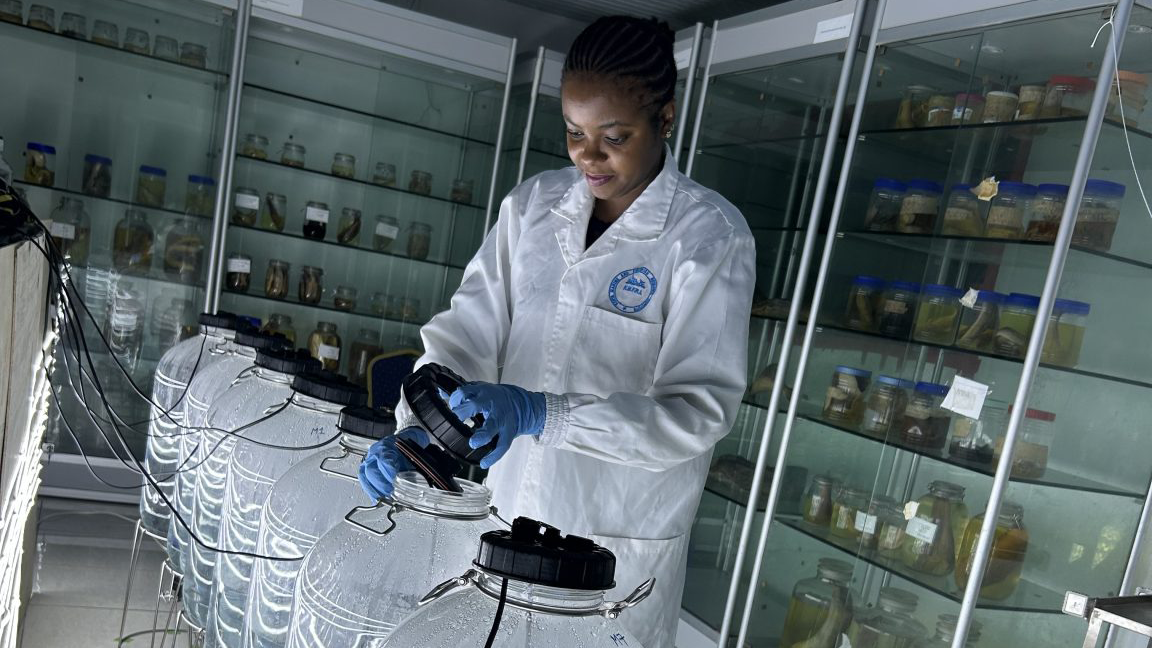
The Ocean Alkalinity Enhancement Pelagic Impact Intercomparison Project (OAEPIIP) aims to test the effects of identical alkalinity increases on different planktonic communities across the world. Led by the University of Tasmania, seventeen laboratories across sixteen countries are running standardized experiments to collect local seawater, apply either equilibrated or unequilibrated alkalinity treatments, and measure plankton responses. This design ensures that differences in outcomes via either treatment approach reflect ecological variation. Beyond the science itself, OAEPIIP has activated research groups around the world, including researchers in Malaysia, Kenya, and Chile.
Preliminary results suggest no detectable impact on plankton when treated with pre-equilibrated alkalinity additions. Non-equilibrated alkalinity treatments produced little to no impact on plankton. Participants are now putting together papers summarizing results from individual groups, as well as an overview paper that will provide cross-cutting insights. By aligning experimental design across regions, OAEPIIP reduces the risk that findings are site-specific, and improves confidence in interpreting environmental signals.
Exploration of OAE’s Impact on Higher Trophic Levels
Last year, Carbon to Sea initiated ecotoxicology studies with the Norwegian Institute for Water Research (NIVA). These studies test sodium hydroxide and calcium oxide on commercially and culturally important fish species, specifically halibut and cod, using internationally recognized protocols. The function of this work is to test threshold levels of tolerance to alkalinity increases for marine life.
In addition, Carbon to Sea and the Prince Albert II of Monaco Foundation launched a request for proposals (RFP) specifically focused on understanding how OAE might affect commercially and culturally important marine species, such as fish and invertebrates. While much of the existing environmental research has focused on plankton, this RFP was designed to fill a critical gap by funding experiments on species that matter to coastal communities, local economies, and ecosystems. Researchers funded through this opportunity will test how changes in carbonate chemistry influence valued species.
This builds on the ecotoxicology work and aims to help explain whether various species and organisms are impacted by elevated alkalinity levels. The overarching goal of both is to generate data that can inform the design of future field research and broader conversations about risk and responsibility.
Biogeosciences Special Issue on the Environmental Impacts of Ocean Alkalinity Enhancement
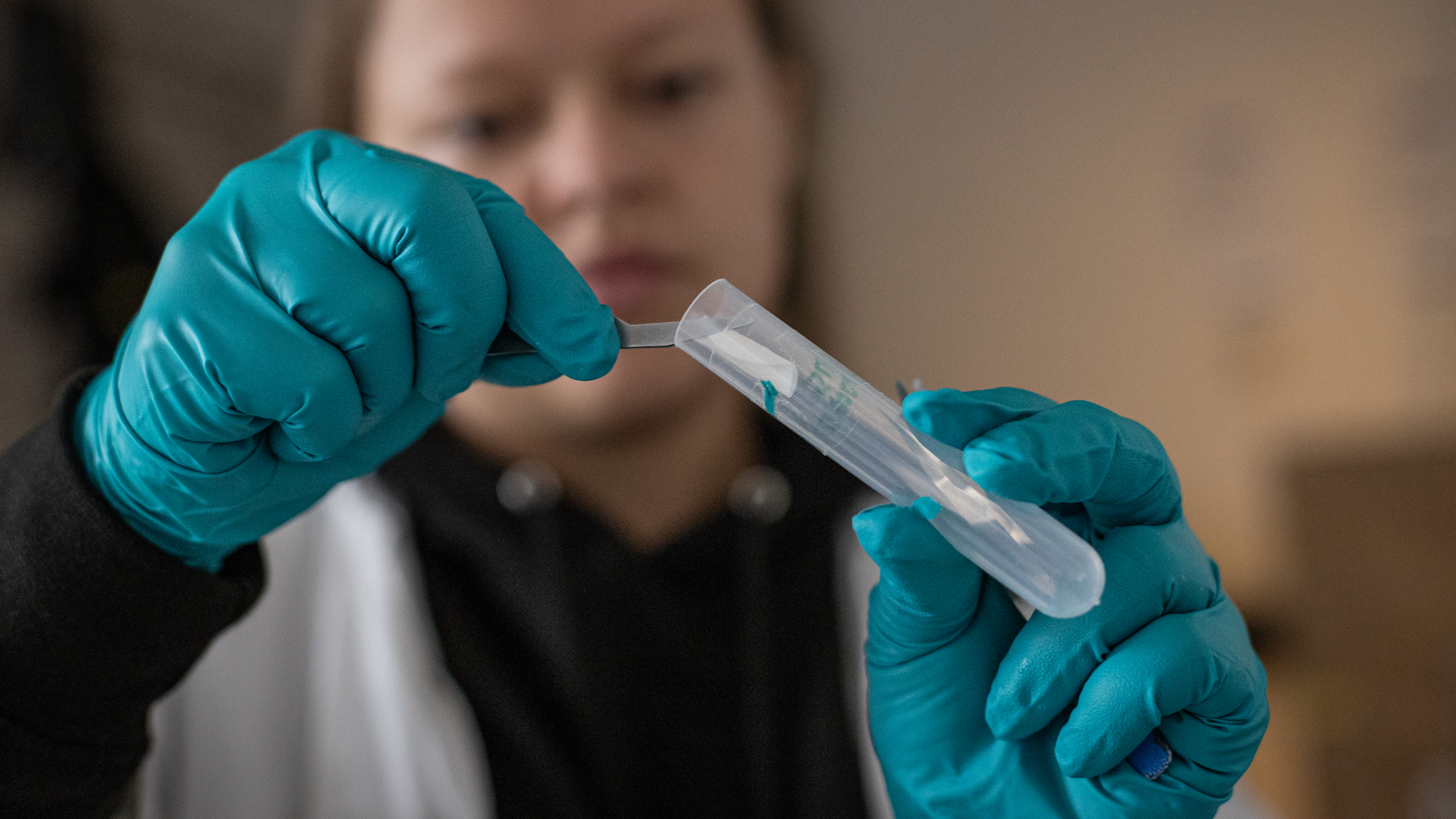
Carbon to Sea also supported a special issue of Biogeosciences on the environmental impacts of ocean alkalinity enhancement, bringing together more than a dozen independent studies into one compendium. The issue includes laboratory, mesocosm, and modeling work that looked at plankton responses to alkalinity increases as well as secondary abiotic changes such as the addition of trace metals contained in some feedstocks.
Across this growing body of evidence, many studies found that realistic increases in alkalinity tend not to cause broad, harmful effects on plankton communities. They also identified specific conditions where responses vary and that warrant closer scrutiny.
Efficacy
On paper, the chemistry of OAE is straightforward: adding alkalinity increases the ocean’s capacity to absorb and store carbon dioxide. But in the real ocean, things are more complex. A range of physical and biological processes can limit or delay how much carbon is ultimately removed. Some materials may not fully dissolve. Some added alkalinity can be lost by converting into solid forms. Air–sea gas exchange can take time. And local ocean conditions and changes in them are one of the key drivers of how effective OAE will be at carbon uptake.
Understanding these efficiency drivers has been a major focus of Carbon to Sea’s science portfolio. In 2025, year four of five of significant multi-year grants to the Ocean Alk-Align Consortium and to Woods Hole Oceanographic Institution, eight research teams around the world continued building the field’s mechanistic understanding of how, when, and why efficiency losses occur.
Carbon to Sea continues to fund research to better understand how dosing strategies can be optimized and what observational and modeling capabilities are needed to monitor and quantify OAE performance. This work strengthens how OAE is monitored, reported, and verified as field research expands, as discussed by a Carbon to Sea blog post from last year.
Inefficiencies Triggered by Biogeochemical Feedbacks
Dissolution Kinetics
A key factor shaping OAE efficacy is how quickly different alkalinity sources dissolve once they are introduced into seawater. If a feedstock dissolves too slowly, it will sink into the deep ocean where if it does dissolve, the increase in alkalinity will not cause an uptake in carbon because the water is not in contact with the atmosphere. If it dissolves too quickly without adequate water circulation, it increases the risk of secondary precipitation (which is discussed below). Therefore, understanding dissolution kinetics, or how dissolution rates change with different ocean conditions, informs where and how to conduct OAE.
Recent work supported by Carbon to Sea has begun to help clarify how dissolution depends on material properties and ocean conditions. Research led by Dr. Charly Moras and colleagues at the University of Hamburg shows that dissolution rates — the rate at which alkalinity dissolves — are sensitive to temperature, salinity, and particle size, as well as to the surrounding ocean conditions.
A separate paper from Moras and colleagues provides insight into the role of ocean mixing (circulation) on dissolution. The paper shows that water movement (or advection) strongly influences dissolution and secondary precipitation. In well-mixed waters, dissolution is more likely to happen efficiently, while avoiding high levels of secondary precipitation.
Together, these findings show that dissolution is not a fixed property of a material. It is a dynamic process shaped by local ocean conditions. This has implications for siting and deployment: feedstocks, particle sizes, and the method and timing of adding alkalinity should be matched to the physical characteristics of the environment in question.
Secondary Precipitation
Another important question for OAE efficacy is whether added alkalinity remains dissolved in seawater, or whether some of it converts into solids. This process is known as secondary precipitation and it can reduce the net carbon removal potential, if not properly managed.
Carbon to Sea has funded research over several years to better understand the mechanisms behind secondary precipitation, including early work from Dr. Jens Hartmann’s lab at the University of Hamburg. One paper from his group analyzed the chemical conditions under which unwanted precipitation can occur. That work improved the field’s understanding of how factors like dosing rate and feedstock characteristics influence whether added alkalinity remains stable in solution.
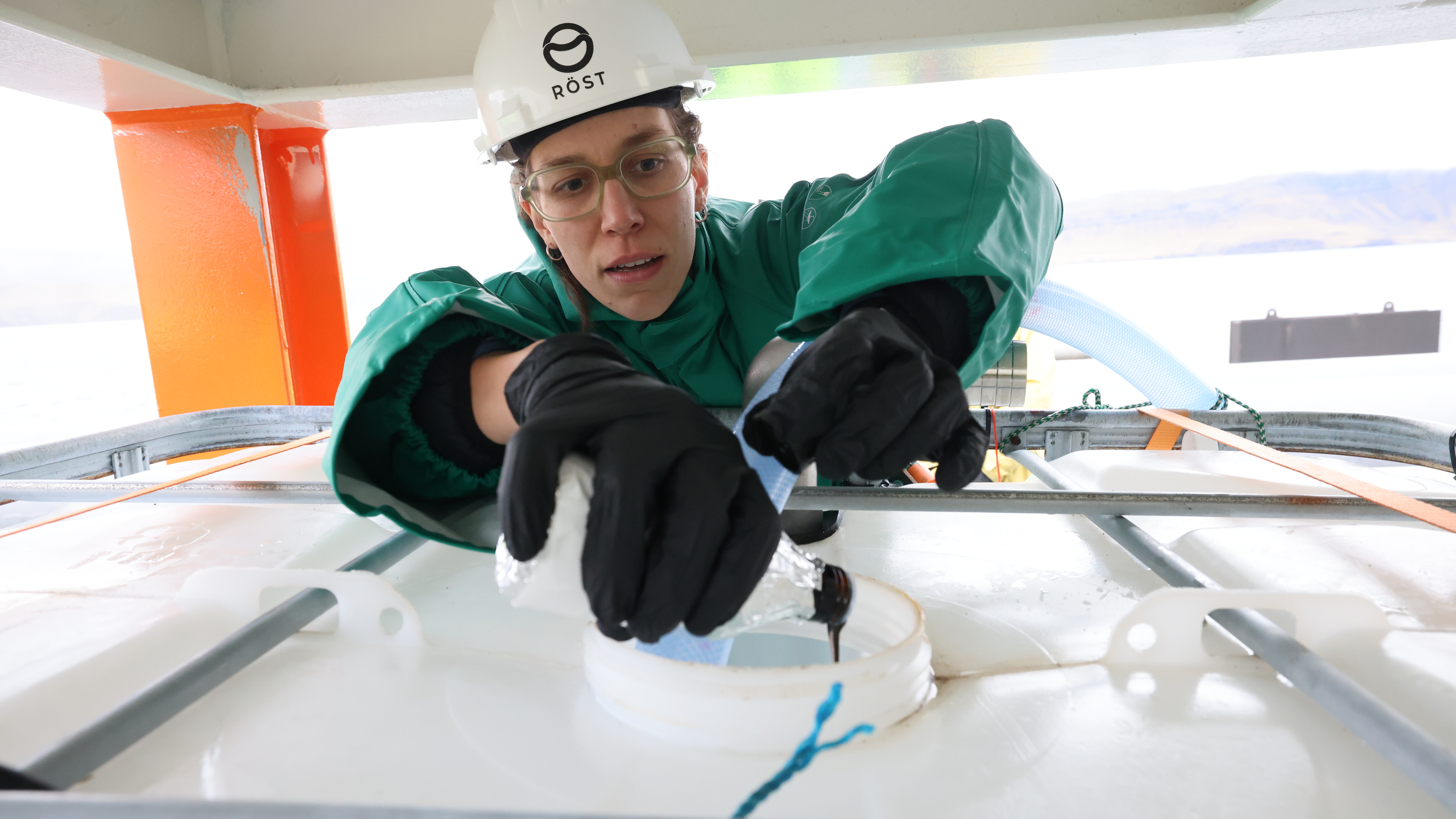
In 2025, new research helped improve our understanding of these efficiency losses and how to avoid them. Shipboard experiments led by Dr. Adam Subhas’ team at the Woods Hole Oceanographic Institution examined sodium hydroxide additions under idealized open-ocean conditions (natural seawater, but in closed bags with minimal mixing). In that study, they found that some secondary precipitation always occurred with the highest risk of precipitation immediately following the alkalinity additions, which were done at moderate to high levels. However, they suggest that when properly dosed and dispersed, the increase in alkalinity can mostly remain stable without substantial secondary precipitation, if certain thresholds (e.g., in alkalinity) are avoided.
The second Moras paper referenced in the prior section on dissolution kinetics also had findings relevant to secondary precipitation. It indicated that advection (or movement) and mixing of ocean water can play a role in preventing precipitation by diluting alkalized waters.
While secondary precipitation is a risk under certain conditions, it can be minimized through careful dosing strategy and selection of deployment location. This growing area of work informs how field trials are designed to maintain the stability of alkalinity and maximize carbon removal.
Additionality
Some evidence indicates that adding alkalinity to seawater could, in certain conditions, reduce natural sources of alkalinity; for example, by changing how sediments release alkalinity back into the water. If that happens, the total increase in alkalinity may be smaller than expected, which would reduce the net carbon removal benefit. Researchers have referred to this as the “additionality” question: does added alkalinity partially offset natural processes?
At this stage, the evidence is limited and it is not yet clear how significant this effect might be, or how often it could occur in real-world settings. To better understand the issue, Carbon to Sea is preparing a request for proposals focused specifically on studying additionality under realistic field conditions.
Techno-Economic and Lifecycle Considerations
Coordinating Global Modeling Efforts on Air-Sea Gas Exchange
The OAE Model Intercomparison Project (OAEMIP) is a coordinated effort that brings together modeling teams from around the world to improve how scientists estimate OAE’s performance. It partially builds on earlier work by [C] Worthy and CarbonPlan in 2024, which explored how air–sea gas exchange and ocean circulation influence the efficiency of ocean alkalinity enhancement. That work highlighted that even when alkalinity is successfully added to the ocean, the rate at which the ocean absorbs additional CO2 from the atmosphere depends on local wind speeds, mixing dynamics, and background ocean chemistry.
OAEMIP aims to deepen understanding of how OAE’s efficiency for large-scale carbon removal varies depending on the location and seasonal timing of deployment. OAEMIP also investigates how climate change will affect these dynamics. The collaboration addresses a key challenge in the field: the lack of comparability across existing OAE model experiments, which can make it difficult to interpret results and communicate the technology’s potential. This matters because models are essential for interpreting field data, planning where trials should occur, and estimating how much carbon removal different approaches could deliver under real ocean conditions.
In 2025, Carbon to Sea supported OAEMIP with funding and by hiring dedicated coordinators whose job is to keep the project on track, ensure consistent communication across teams, and make results publicly accessible. Overall, this work helps establish new standards for scientific rigor and transparency in OAE modeling.
Life-Cycle Assessment for OAE
Carbon to Sea supported work at Heriot-Watt University to develop integrated techno-economic and life-cycle assessment frameworks for OAE. The integrated framework outlines standardized methods for modeling system boundaries, energy and material flows, and supply-chain emissions associated with OAE deployment.
Building on that work, Carbon to Sea supported Heriot-Watt University and the University of Hamburg in a collaborative effort to develop a case study for using hydrated carbonate minerals for OAE. The study applied life-cycle assessment methods to quantify emissions and energy use across the supply chain — from mineral production through ocean deployment — providing an initial estimate of net carbon removal potential and operational considerations.
These tools allow researchers and policymakers to compare different approaches in terms of carbon removal potential, materials used, energy use, and environmental tradeoffs. By clarifying system-level performance, this work supports informed decision-making about which approaches merit field research and further evaluation and support.
Growing Field Research to Boost Real-World Evidence
In 2025, the center of gravity of ocean alkalinity enhancement research shifted towards carefully designed field research, as the scientific community has made progress towards answering key threshold questions on the theoretical potential, environmental safety, and efficacy of OAE.
This evolution also influences the role of lab studies, mesocosm experiments, modeling, and standards development. Those efforts are increasingly focused on informing the design, execution, and evaluation of field trials, helping ensure that research in the water is safer, more precise, and more informative.
In 2025, Carbon to Sea funded and shaped landmark field research around the world, and made progress on building a coordinated Field Research Network designed to generate empirical evidence under real-world conditions.
Below we summarize key accomplishments led by the Carbon to Sea grantees, as well as our progress in building a global network of field research sites:
The United States: WHOI’s Major Field Research Trial and Progress on the West Coast
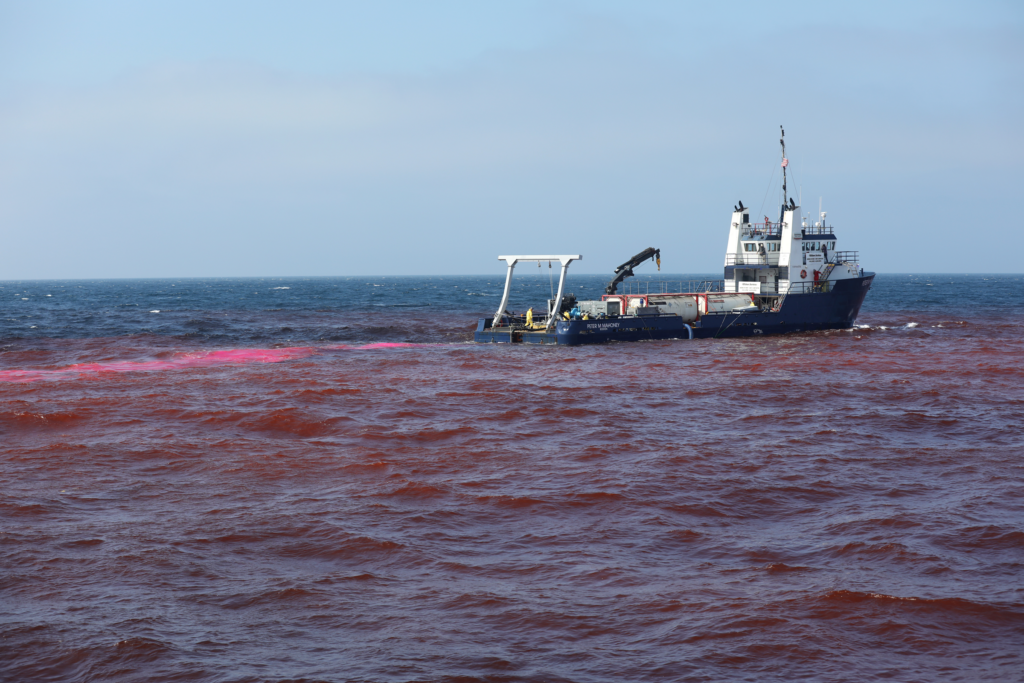
In the United States, the Woods Hole Oceanographic Institution (WHOI) successfully completed an OAE research trial, which it has been building towards for more than five years. Carbon to Sea is a major funder of the LOC-NESS project, a first-of-its-kind project that introduced about 16,000 gallons of purified sodium hydroxide, an alkaline compound commonly used in drinking water treatment, into the surface ocean.
The project was carefully designed to assess the safety and efficacy of OAE in a closely-monitored, real-world environment. The trial came after more than two years of preparation, including close consultation with the U.S. federal government and two public comment periods. This project involved extensive community engagement with coastal communities and fishermen, and it has become a recognized model for future research in many ways.
“Our project was about taking what we’ve learned in the lab and from models and testing it in the real ocean, under real-world conditions,” said Dr. Adam Subhas, who helped lead the LOC-NESS project. “What we’re learning so far is encouraging: we can carefully introduce alkalinity and measure how the system responds. This kind of transparent field research is essential for understanding whether and how OAE could be one tool to address climate change, and Carbon to Sea’s support has been essential.”
The LOC-NESS team began sharing initial findings in early 2026. Preliminary results indicate that the added alkalinity mixed and rapidly dispersed — as predicted by WHOI’s custom-built high-resolution physical oceanographic models. Measurements from inside and outside the area where alkalinity was dispersed showed no detectable effect on sensitive marine organisms, including plankton and early life stages of pelagic crustaceans. Early carbon system measurements also confirmed that the chemical signal of added alkalinity could be detected and tracked, allowing for the quantification of CO2 removal during the trial and providing valuable insights into monitoring and verification approaches for future trials. While full analyses are ongoing, these initial findings suggest that controlled offshore research can be conducted safely, and that field measurements can meaningfully inform carbon uptake models.
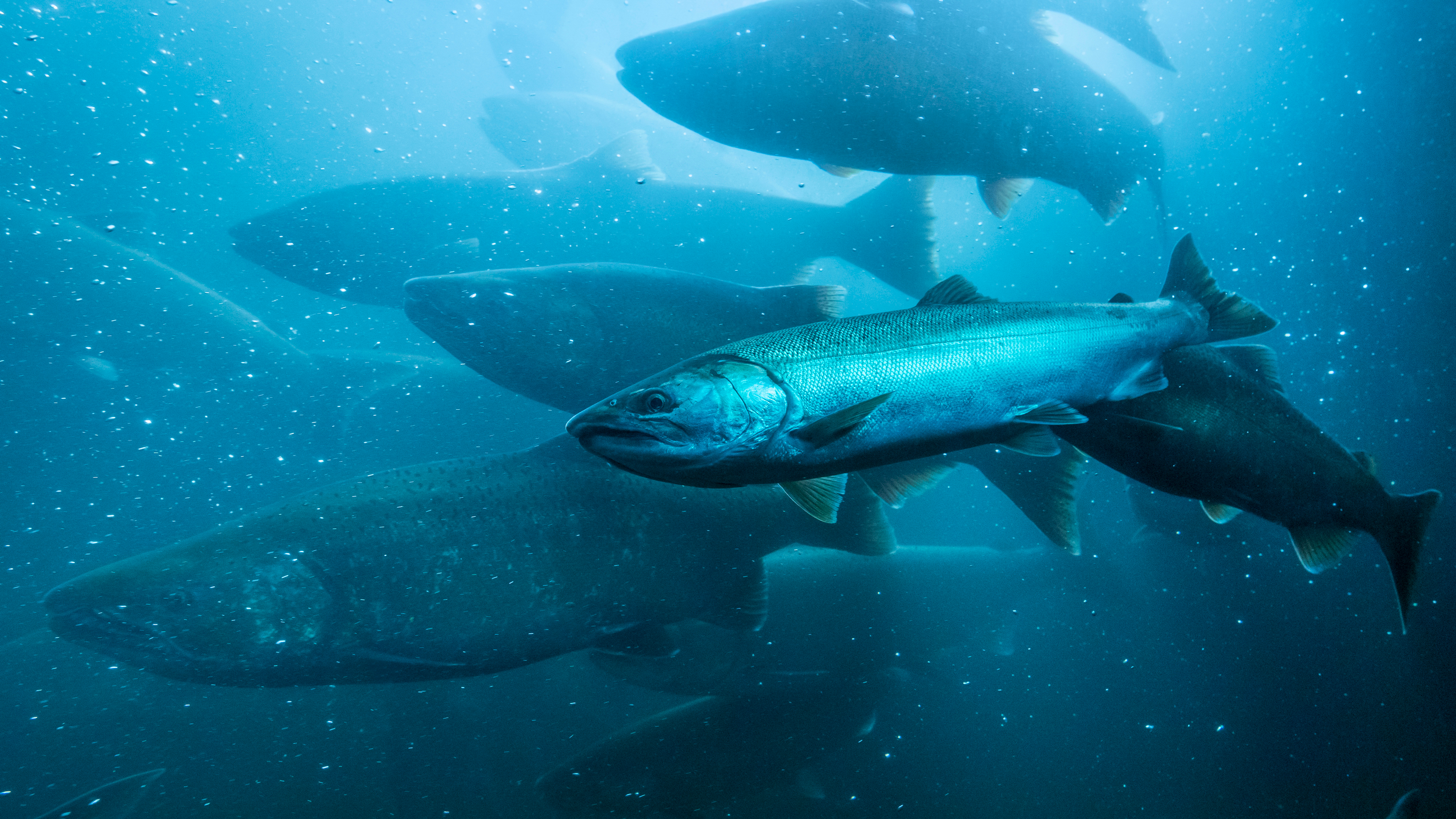
On the U.S. West Coast, Carbon to Sea provided support for three research projects conducted alongside Ebb Carbon’s Project Macoma, which is a carbon removal pilot using an electrochemical approach to OAE (and built on years of partnership with the Pacific Northwest National Laboratory). These studies, led by researchers from the University of Washington and UC San Diego / Scripps, explore biological responses of Pacific salmon to elevated alkalinity, community engagement and public perceptions of ocean-based carbon removal, and advanced total alkalinity sensing capabilities.
Canada: Dalhousie, Planetary Technologies, and Joint Learning Opportunities
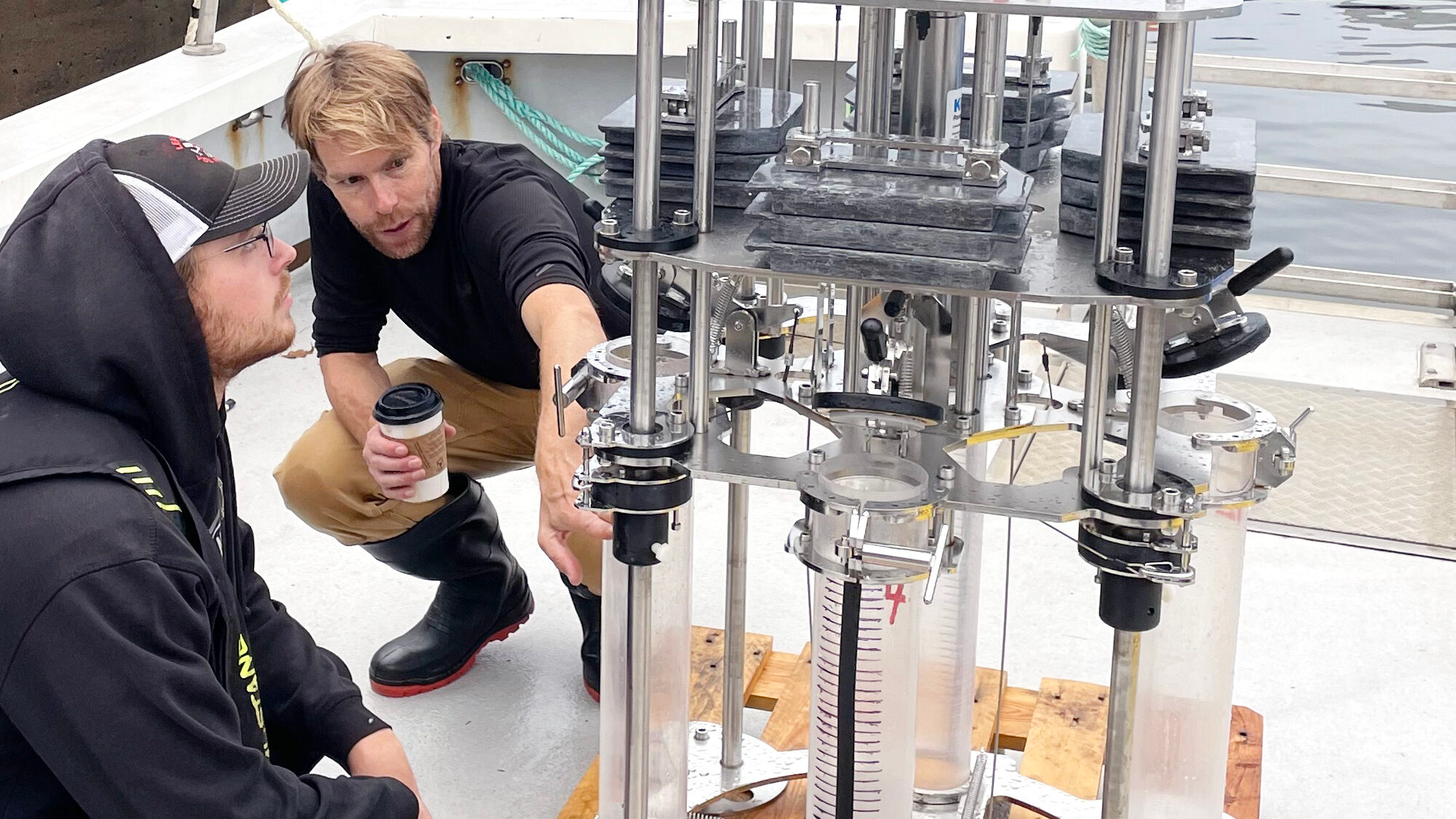
Canada remains one of the most active and advanced leaders in OAE research. Carbon to Sea continues to support the collaboration between Dalhousie University and Planetary Technologies in Halifax, which was the site of the first OAE crediting in 2025, integrating academic science, private sector engineering, and transparent monitoring.
To expand efforts in Canada, Carbon to Sea launched a new $4 million CAD collaboration with the Marine Environmental Observation, Prediction and Response Network (MEOPAR) to strengthen the ocean-based carbon dioxide removal (oCDR) research ecosystem. This partnership is focused on funding research, development, and demonstration projects across Canada, starting with projects in Nova Scotia.
Within this program, Carbon to Sea, MEOPAR, and Planetary Technologies launched the region’s second Joint Learning Opportunity in November, marking the first initiative of Carbon to Sea and MEOPAR’s joint collaboration. The funding is aimed at closing knowledge gaps in OAE science, advancing innovative sensing and monitoring methods, and supporting community interests in evaluating public understanding of OAE’s viability and desirability as a method for climate change mitigation.
Carbon to Sea also funded Indigenous-led engagement in Canada, funding outreach and education efforts with the Mi’kmaq community, Indigenous to Canada’s Atlantic provinces. Through grant-funding for workshops and dialogue, and in collaboration with the Ulnooweg Development Group and Lennox Island First Nation, community members discussed how Indigenous Knowledge and approaches can intersect with OAE techniques, helping advance inclusion and transparency for field research. This engagement also extended to vessel-based youth science programming with Miawpukek Horizon on the Polar Prince, an Indigenous-led expedition in the North Atlantic.
Iceland: Röst Marine Research Center
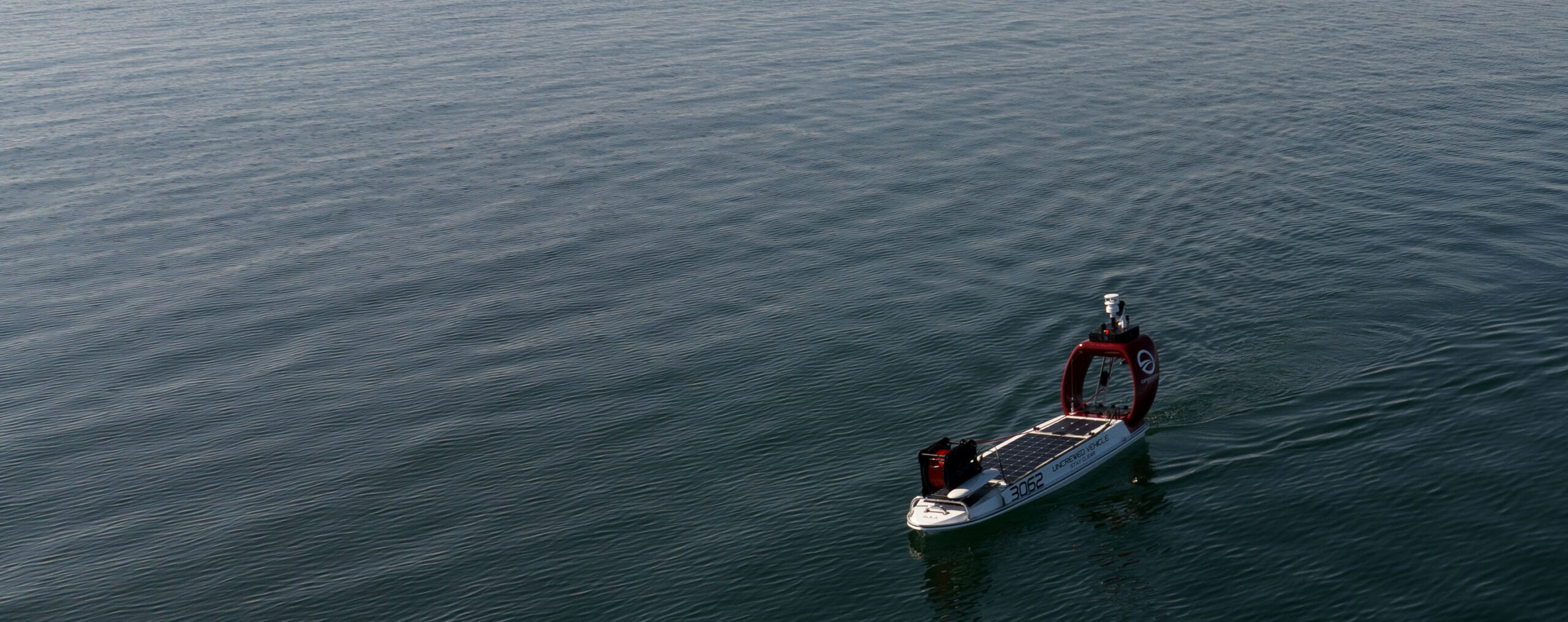
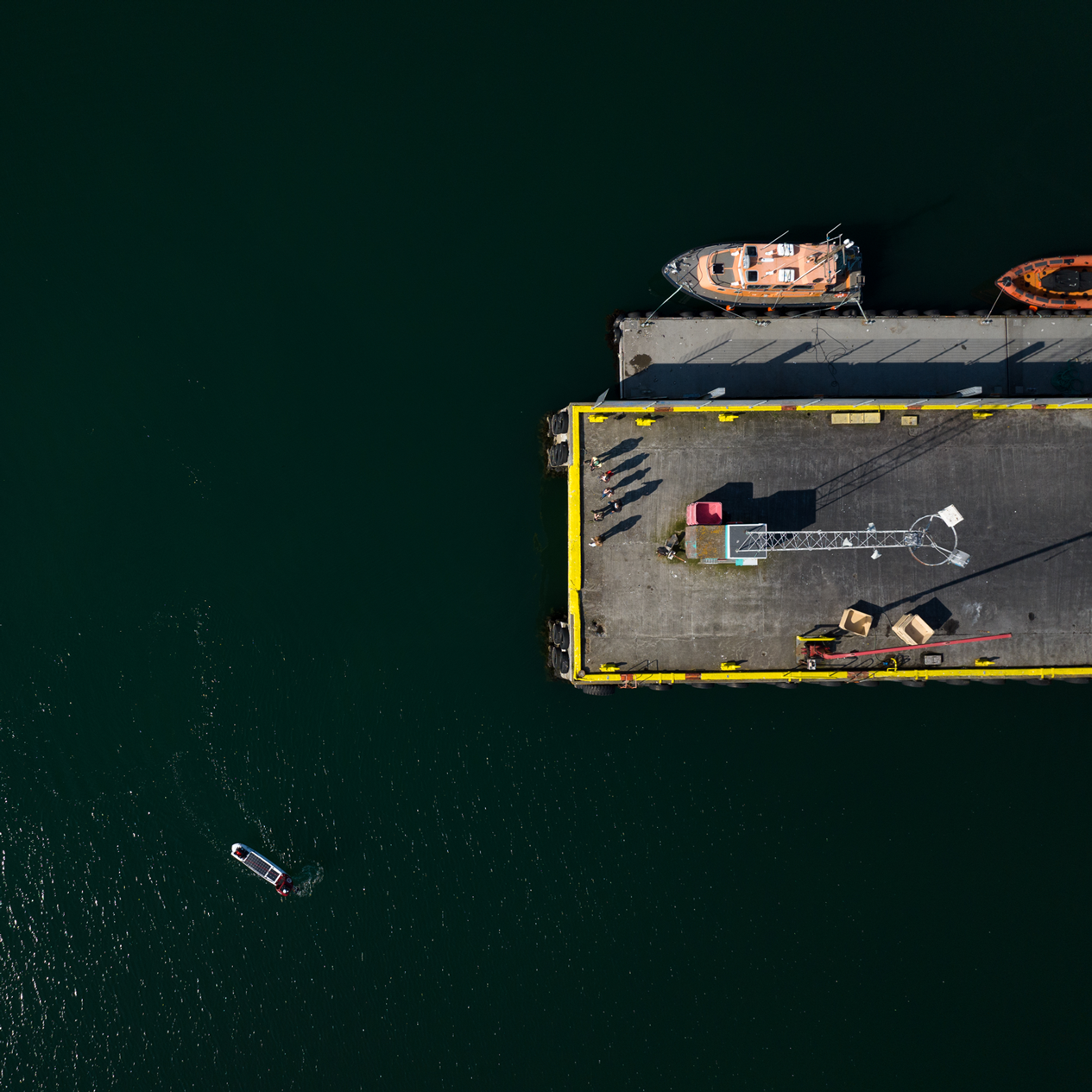
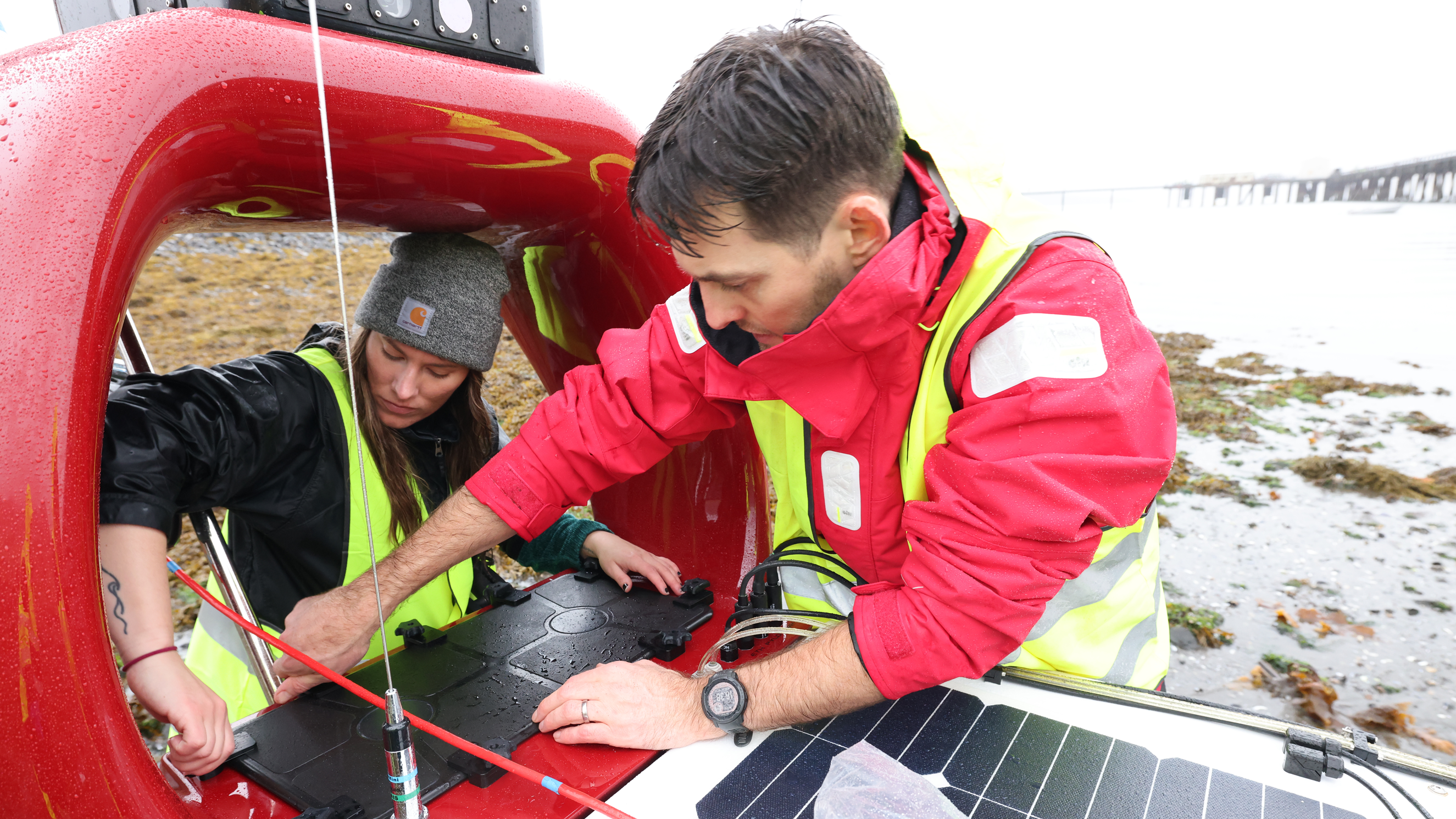
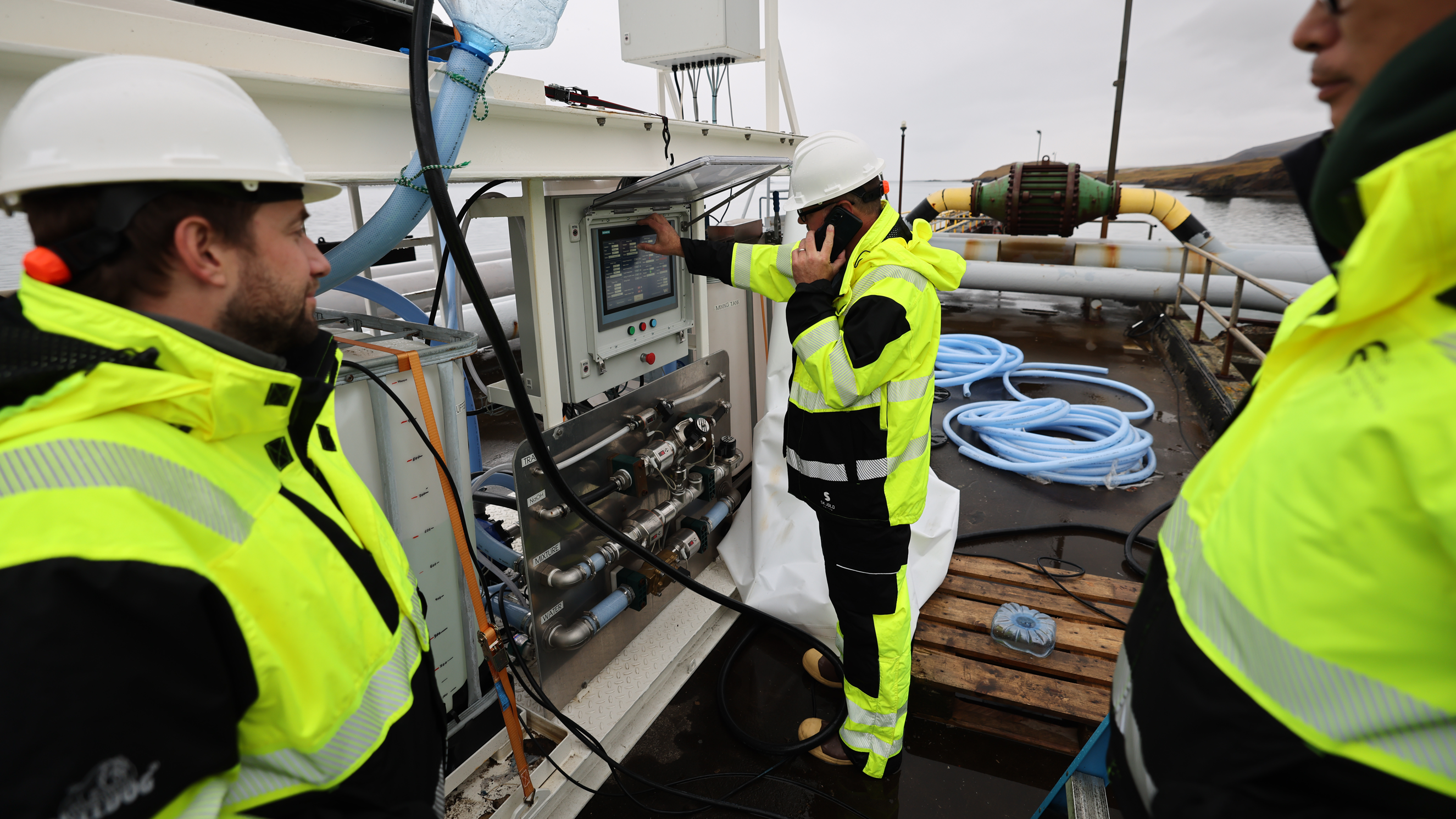
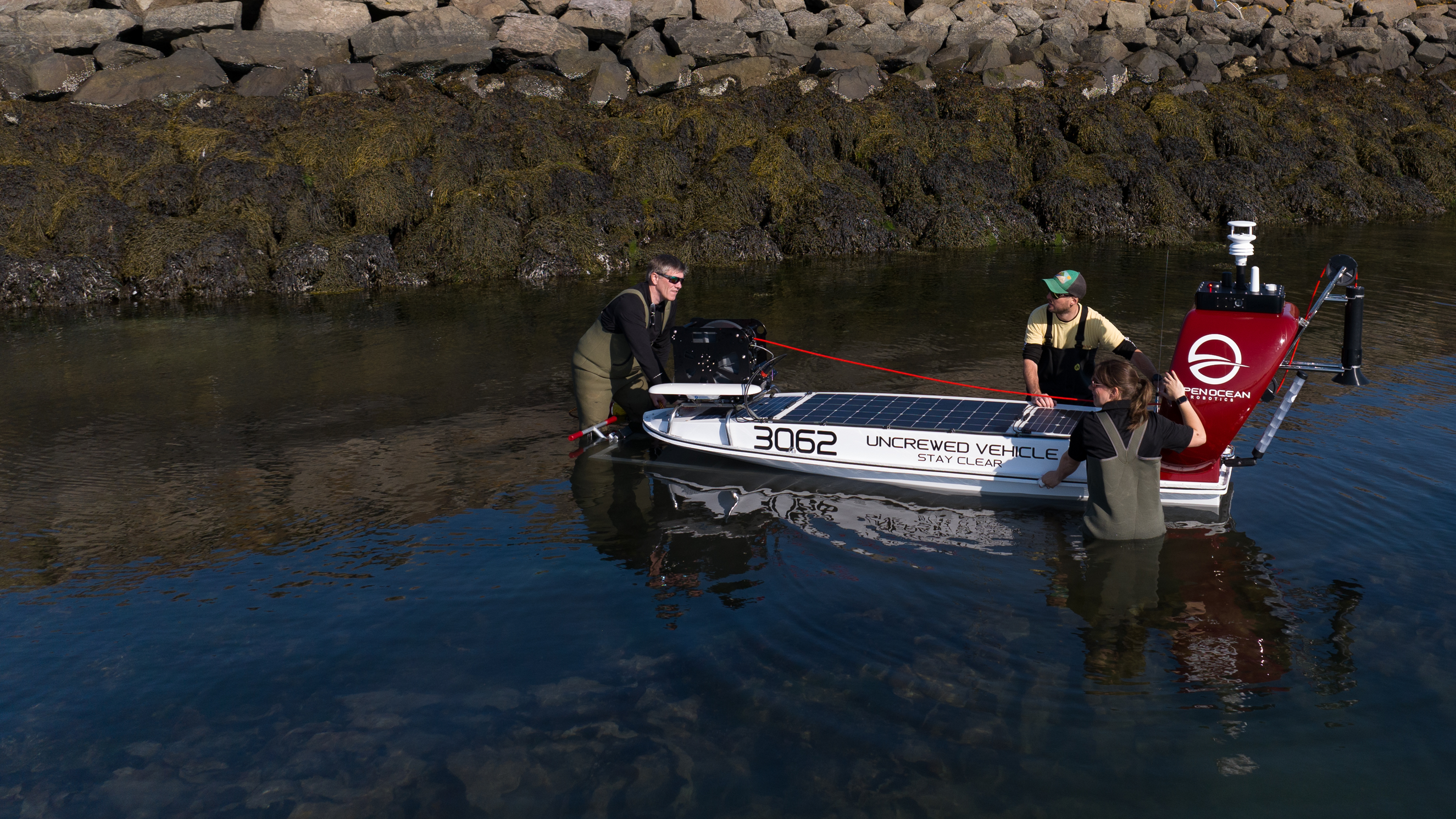
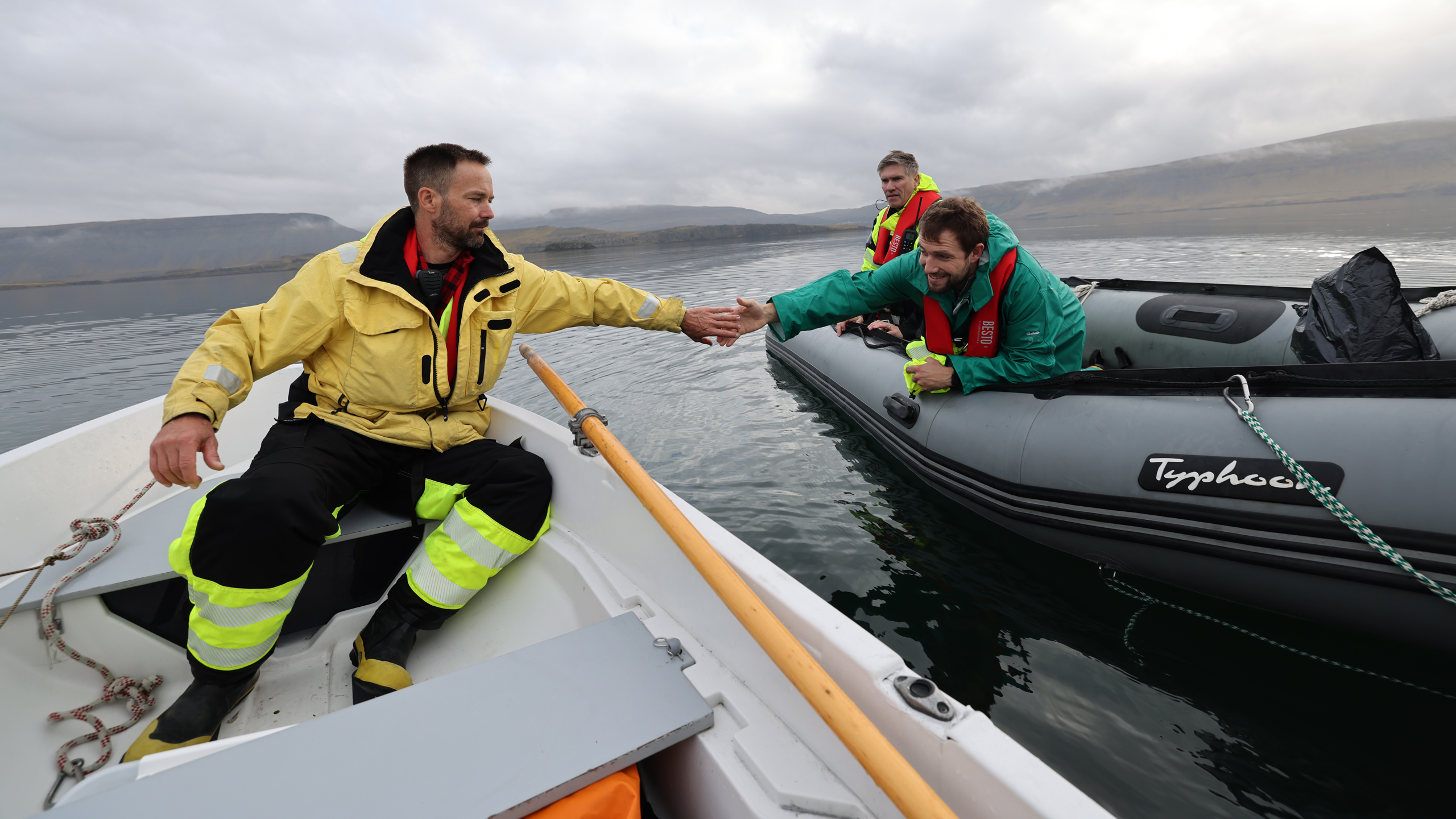
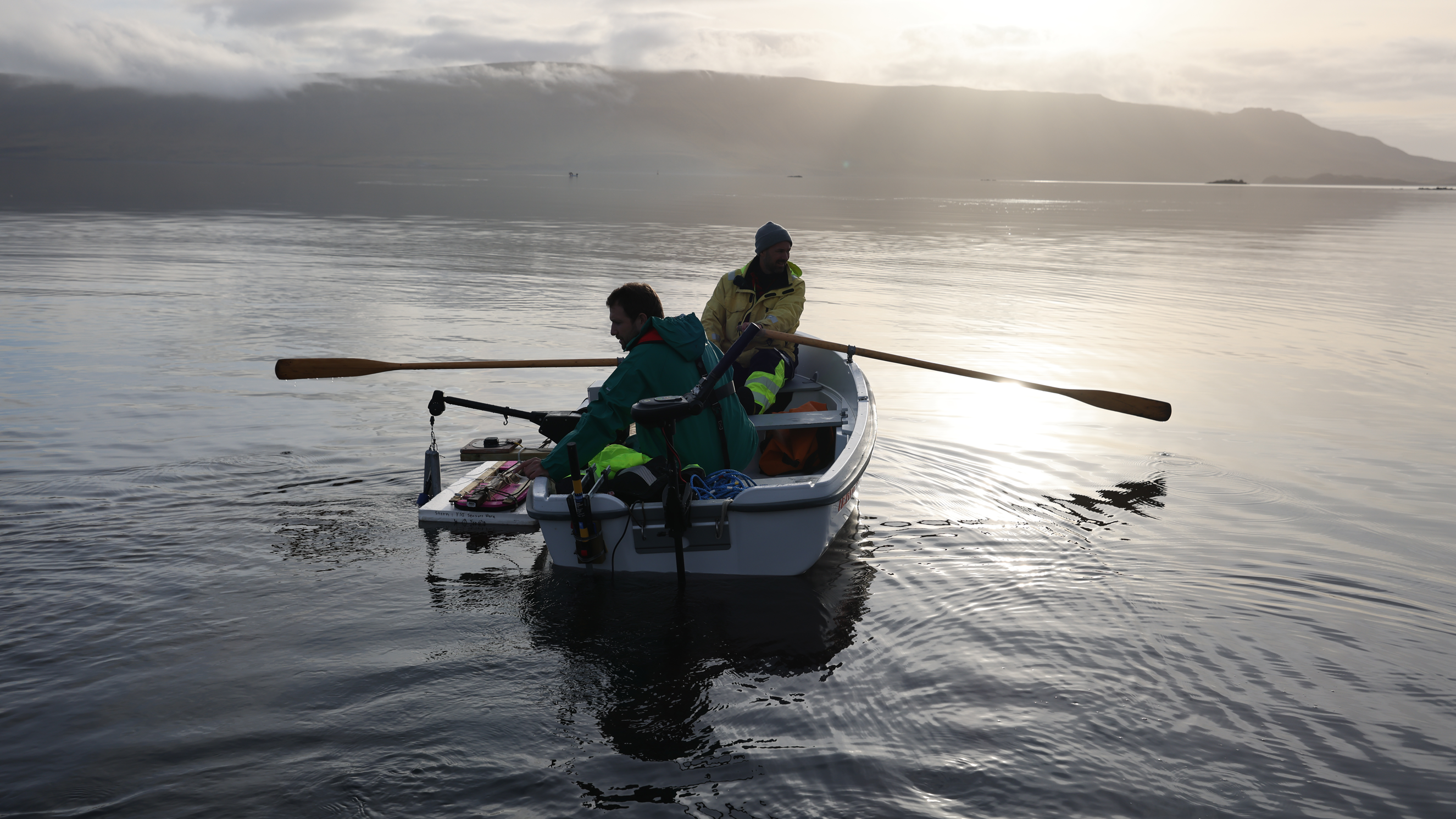
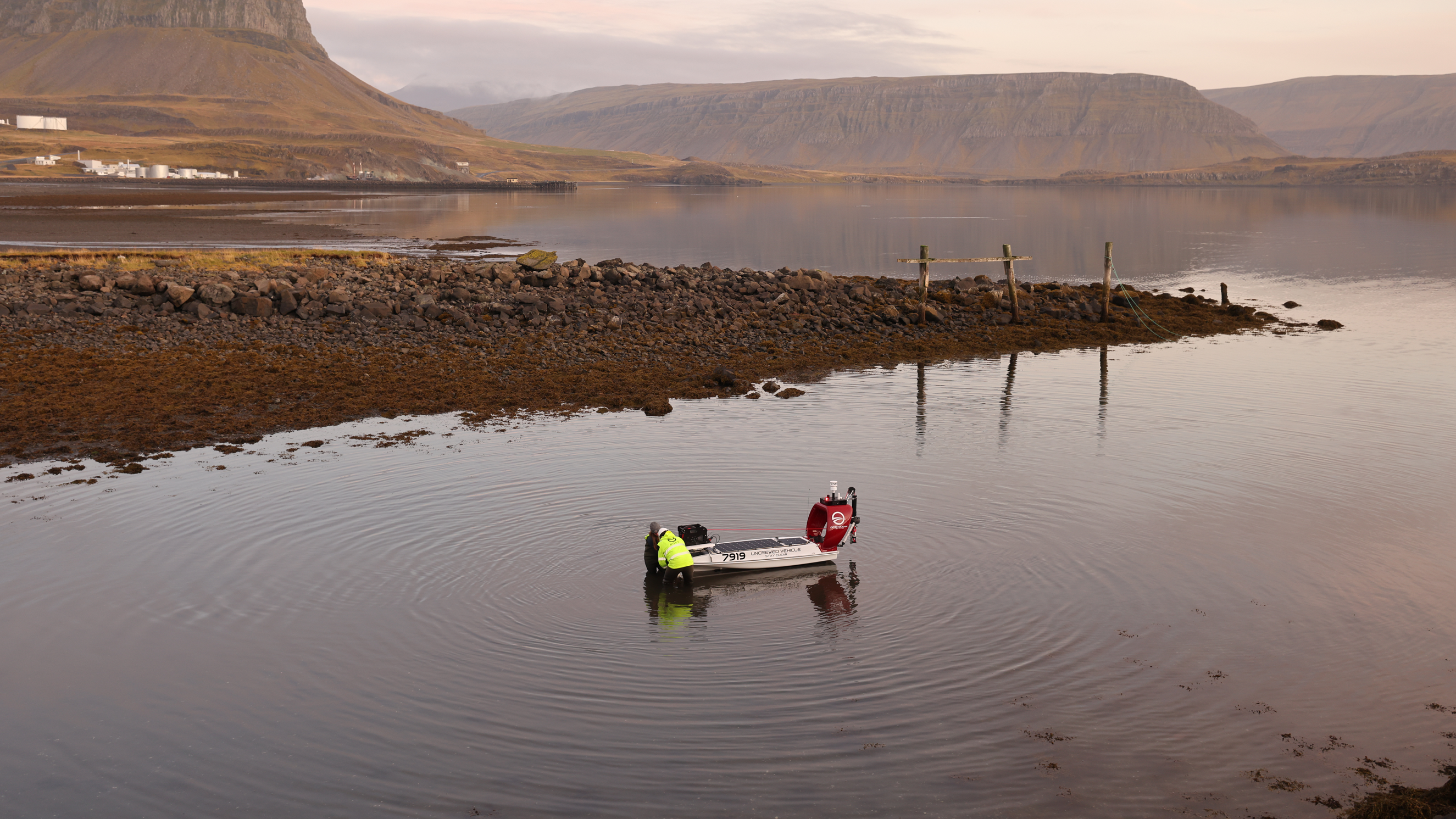
In Iceland, Carbon to Sea continued to support Röst Marine Research Center, a nonprofit research center studying the role of the ocean in a changing climate. In October, Röst successfully completed a hydrodynamic field study in Hvalfjörður to track dispersion patterns and inform the future scientific potential of the site. Conducted in partnership with [C]Worthy and the University of Iceland, this research offered a unique opportunity to test several important questions, including the operation of a bespoke field system, an integrated monitoring strategy including aerial drone-based LiDAR and imaging, traditional in-situ sensors and a novel uncrewed surface vehicle (USV) equipped specifically for oCDR research.
Developed by Canada’s Open Ocean Robotics and deployed in collaboration with the National Oceanography Centre and other partners, the USV enhanced near-field monitoring capabilities and demonstrated new autonomous tools for plume tracking and monitoring, reporting, and verification (MRV) applications.
These efforts are helping establish engineering readiness, scientific understanding, operational protocols, and community engagement frameworks required for future field research in Iceland.
Preparing for Field Research in Iceland
Carbon to Sea also supported other work to strengthen permitting and design for potential field research in Iceland — specifically the AlkBioCalc project led by Dr. Nina Bednaršek. That project is investigating how specific species, particularly calcifiers (including krill, crab, blue mussels, and sea urchin), respond to sodium hydroxide exposure under laboratory conditions.
The experiments test multiple alkalinity levels and exposure durations to determine biological thresholds and define a “safe operating space.” They use exposure levels derived from model projections of expected species exposure to high alkalinity waters from OAE, and the species were also chosen because they are present in Icelandic waters.
United Kingdom: SeaCURE
In the United Kingdom, Carbon to Sea supported SeaCURE, a project led by the University of Exeter that developed and operated one of the world’s first pilot plants for Direct Ocean Carbon Capture (DOCC) under a UK government grant between 2024-2025. Carbon to Sea sought to explore whether SeaCURE may extend the scientific value of the site beyond its initial pilot and to evaluate its potential to serve as a future platform for coordinated OAE research with strong community collaboration.
Carbon to Sea’s grant supported an 18-month collaboration between SeaCURE and Sense About Science to engage all levels of the local community in assessing their climate goals and their interests in supporting OAE research in their region.
Australia: University of Tasmania
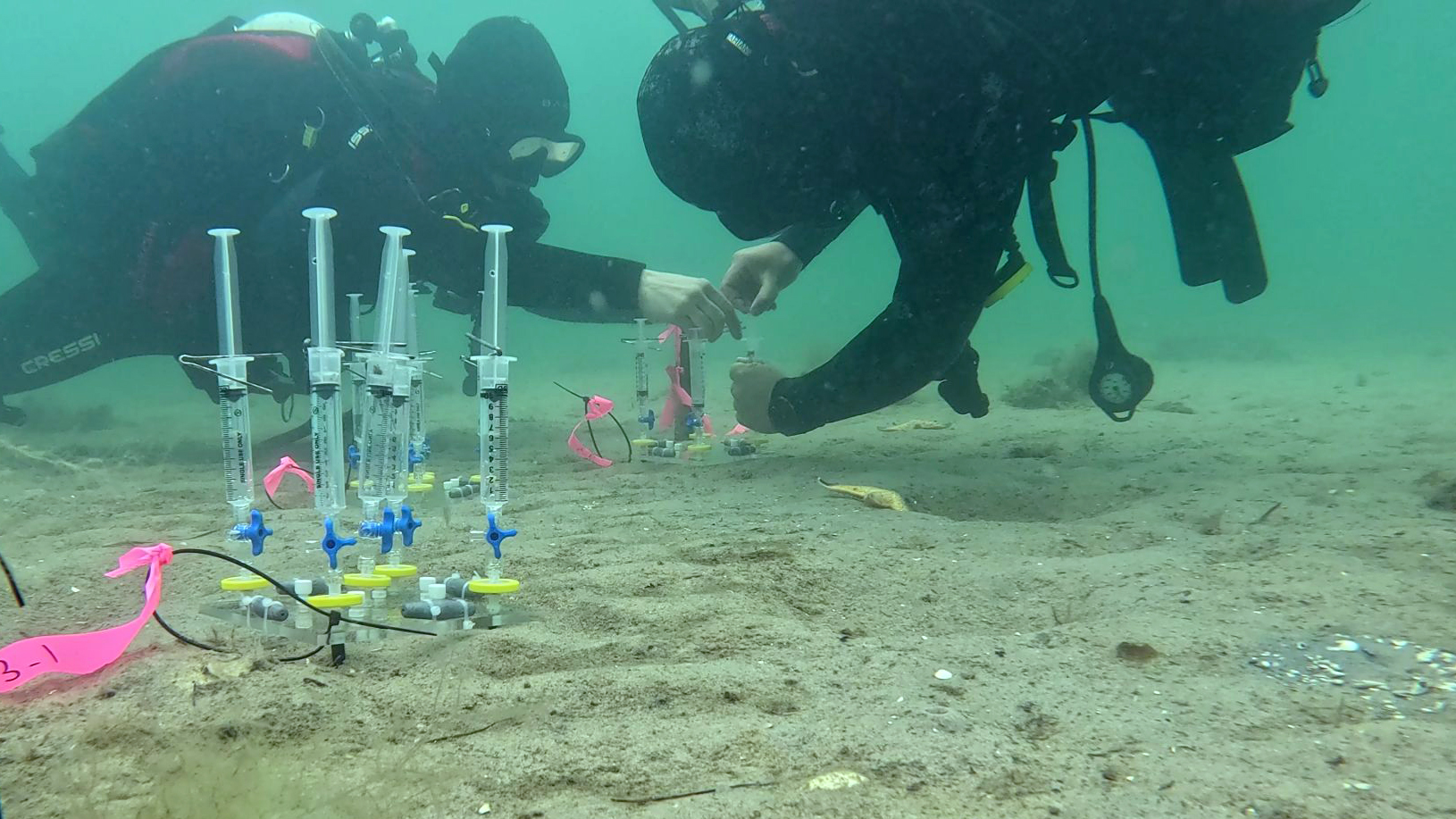
In Australia, Carbon to Sea funded researchers at the University of Tasmania to conduct a field study in Norfolk Bay to evaluate the safety, feasibility, and ecosystem interactions of adding alkaline minerals directly to coastal sediments. The project involved placing small quantities of either olivine or calcium carbonate sand onto marked one‑square‑meter patches of seafloor. This controlled approach allowed the team to monitor how the materials released alkalinity into pore waters, how they altered carbonate chemistry therein, and whether it affected sediment‑dwelling organisms.
The study focused on two core questions: First, whether sediment organisms experience positive, neutral, or negative effects from exposure to material dissolution products released during olivine and calcium carbonate dissolution. Second, how the added minerals influence the flux of carbon and other elements into and out of the seabed. To address these questions, researchers deployed sensors, conducted repeated sediment sampling, and used laboratory analyses to track changes in biogeochemistry over time.
This field program is one of the earliest real‑world tests of mineral‑based OAE conducted directly in coastal benthic environments, providing essential insights that cannot be captured in laboratory or mesocosm studies alone. Early observations indicate that the added material disperses over time and that the small‑scale, low‑dose application approach enables safe, highly controlled testing. The research provides important baseline knowledge for evaluating how mineral additions may interact with benthic ecosystems and supports the development of best‑practice frameworks for future OAE research.
Building the Global Field Research Network
Coordination across a closely monitored portfolio of field trials is now essential to determine whether, where, and how OAE can be implemented safely and measurably at climate-relevant scales. That kind of field research can help us create a cohesive picture of how OAE performs under a range of diverse, real ocean conditions.
In 2025, Carbon to Sea expanded our work to establish a coordinated Global Field Research Network. The goal is to support and capacitate a global system of field research sites capable of producing comparable, decision-grade evidence across ocean environments.
Ocean systems differ dramatically across geographies, and because of this variability, no single trial can answer the core questions facing the field. What is needed is a portfolio of carefully designed trials across diverse environments — linked by shared protocols, monitoring standards, and comparable data systems.
The Field Research Network is beginning to bring that vision to life. Growing flagship sites in North America and Europe are generating data on dispersal, dilution, ecosystem response, and carbon accounting, while centralized tools ensure that findings can be compared across locations.
In 2025, Carbon to Sea launched a Global Field Research Network Request for Information (RFI) in seven languages to understand the capacity and demand for field research, in partnership with the Kuehne Climate Center, MEOPAR, and the ClimateWorks Foundation. We received 80 submissions from 22 countries, including 11 countries in the Global South.
This demonstrated strong global interest and capacity for advancing field research. There is significant research infrastructure waiting to be tapped, including 14 sites with ROMS models, 16 with sensors, 20 with labs, 13 vessels, 11 sites with local alkalinity, and 13 with baseline data. A surprising 45% of field sites that responded to our RFP have research permits already secured or under consideration. This infrastructure represents a powerful foundation for expanding the field research network in the coming years.
Driving Progress Through Responsible Governance
In 2025, Carbon to Sea focused on building public-sector awareness and expanding our engagement globally to responsibly evaluate OAE. Responsible evaluation of oCDR techniques like OAE requires navigating the longstanding, complex ocean policy landscape — and that requires early and sustained government and public engagement.
To meet that challenge, Carbon to Sea advances a two-pronged approach: direct engagement with governments and stakeholders, paired with strategic capacity-building grantmaking to trusted partners. Through education, outreach, and sustained relationship-building, we engage alongside governments and create space for ongoing dialogue between researchers, practitioners, and policymakers. Together, these efforts contribute to clearer governance pathways and more durable public-sector leadership as OAE research progresses.
The United States: Navigating a Changing Political Landscape
The U.S. political landscape for ocean-climate research continued to shift in 2025, but Carbon to Sea remained focused on opportunities to unlock progress. Many OAE research efforts are currently advancing in the U.S., which means continued engagement with policymakers and federal agencies remains a key focus in an evolving political landscape.
Notably, the Environmental Protection Agency awarded the first permit for OAE field research under the Marine Protection, Research, and Sanctuaries Act (MPRSA) to the Woods Hole Oceanographic Institution’s (WHOI) LOC-NESS project, a first-of-its-kind field trial that was successfully completed in the Gulf of Maine in summer 2025. Carbon to Sea supported WHOI’s public engagement capacity — spanning more than 50 community meetings and two public comment periods — all of which informed the permitting process and helped earn government support for the project. This kind of foundational field research, led by world-class scientists and guided by prudent environmental oversight, is an important step towards strengthening U.S. leadership on ocean-climate research.
The U.S. Congress also sent strong bipartisan signals in support of oCDR research and development priorities in the fiscal year 2026 (FY26) appropriations bills. This included language providing at least half a million dollars, and up to $10M for oCDR research and development at the National Oceanic and Atmospheric Administration, as well as not less than $45 million dollars for the Department of Energy (DOE) to continue its implementation of its carbon dioxide removal purchase pilot prize. DOE also received up to $71.5 million to support the development of CDR technologies across multiple offices.
Global Investments: Canada, European Union, United Kingdom, and China
In parallel, Carbon to Sea pursued opportunities to advance international policy engagement on oCDR, responding to growing interest in Canada, the European Union, the United Kingdom, and other key regions. In Canada, Carbon to Sea’s Director of Global Policy testified at the government’s first hearing on oCDR. She spoke to leaders of the Senate Committee on Fisheries and Oceans about the importance of government leadership and investment, in parallel with philanthropic and private sector activity, to ensure oCDR advances in the public interest.
Carbon to Sea also co-funded an economic feasibility study highlighting Canada’s potential to be a global leader in oCDR. Led by Canada’s Ocean Supercluster, the study found the oCDR industry could create up to 90,000 new permanent jobs by 2050, $30B in new investment, and $16B in GDP growth by 2030, while the co-creation process fostered valuable national collaboration.
In China, Carbon to Sea helped fund the Environmental Defense Fund’s (EDF) engagement with the China Council for International Cooperation on Environment and Development (CCICED), as China is a growing leader in public funding for oCDR — with government investments totaling about $375M, about four times the current U.S. government investment. EDF contributed expertise to CCICED’s 2025 Impact Report, which offered an overview of China’s advances in environment, climate, and sustainable development policy. As part of this work, Carbon to Sea supported the convening of a diverse set of international and Chinese experts to exchange knowledge and learnings and draft policy recommendations around the governance of oCDR research and development.
PROMOTING A MORE EQUITABLE ROADMAP FOR OAE
At the 30th annual UN Climate Change Conference (COP30), Carbon to Sea hosted several events in the Blue Zone at the Ocean Pavilion and the CDR30 Pavilion, shaping discussions on the role of ocean-based solutions in addressing climate change. Our team also funded travel grants to increase Global South and Indigenous representation at the negotiations, sponsoring travel for oCDR leaders from Chile, Colombia, India, Makah Nation, and Tanzania.
“Climate solutions will only succeed if they are shaped and spearheaded by the regions most affected by them, moving beyond global pledges to genuine inclusion in how research is designed and governed. In Africa, this means engaging researchers, policymakers, entrepreneurs and communities in ways that transparently evaluate the opportunities approaches like ocean alkalinity enhancement present,” said Caroline Chelsea Manyama, Environmental Sustainability Consultant in Tanzania and recipient of 2025 Ripple Impact Travel Grant
SUPPORTING GLOBAL SOUTH LEADERSHIP
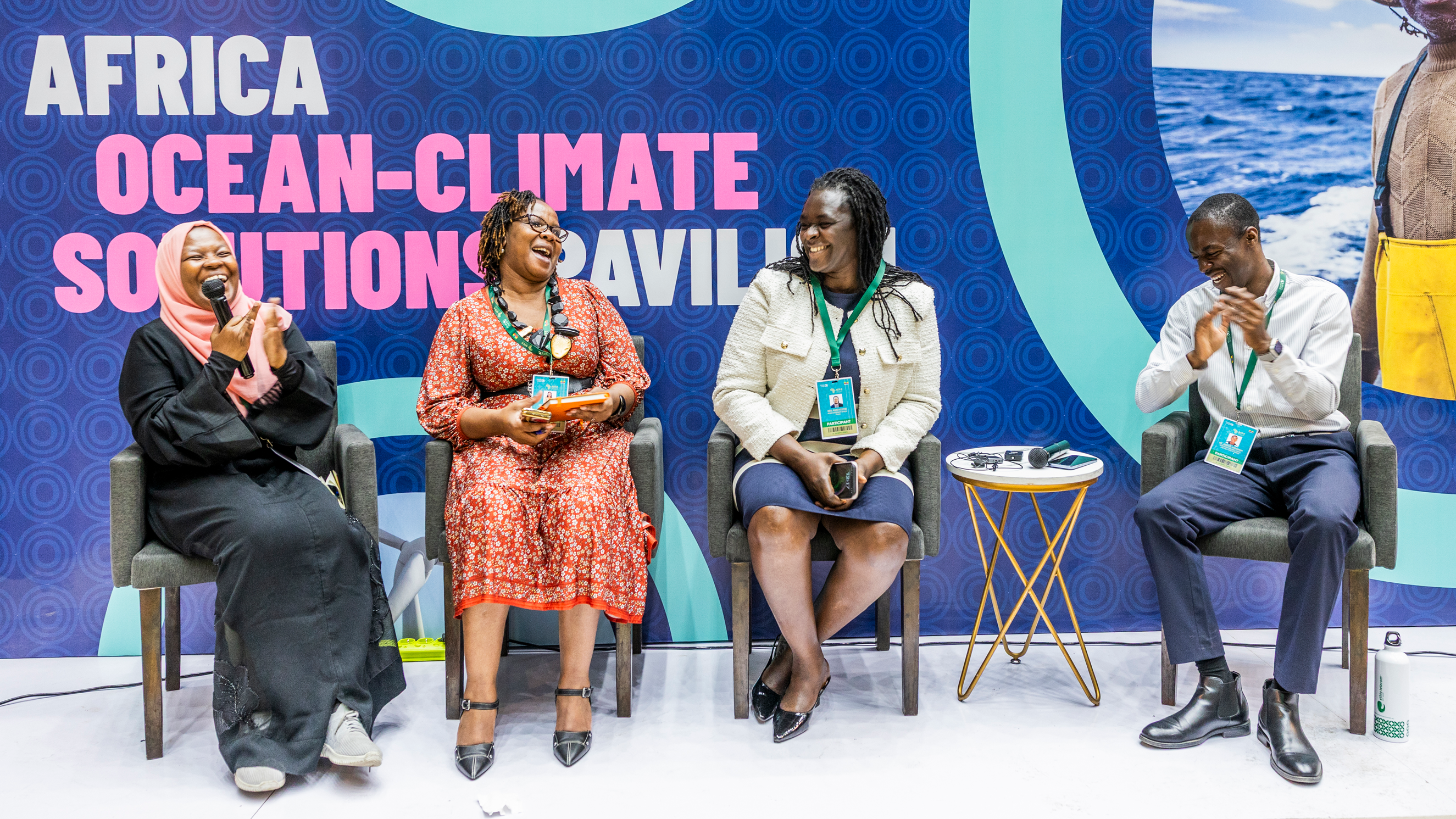
In addition to global fora like COP30, Carbon to Sea has also invested regionally in diversifying the voices leading the oCDR sector. Carbon to Sea co-sponsored the Africa Ocean-Climate Solutions Pavilion at the Africa Climate Summit 2, convening approximately 50 leaders in Addis Ababa, Ethiopia to promote knowledge-sharing and innovation at the intersection of ocean health and climate action. Our team also co-sponsored a first-of-its-kind workshop in Dar es Salaam, Tanzania, with Ocean Visions and hosted by Tanzania Ocean-Climate Innovation Hub. The workshop, entitled “Towards an African Marine Carbon Dioxide Removal (mCDR) Road Map” brought together experts, government representatives, researchers, and stakeholders from across Africa to explore the policy frameworks and scientific infrastructure needed to responsibly advance oCDR on the continent and globally.
Strengthening Field-Wide Policy and Communications Capacity
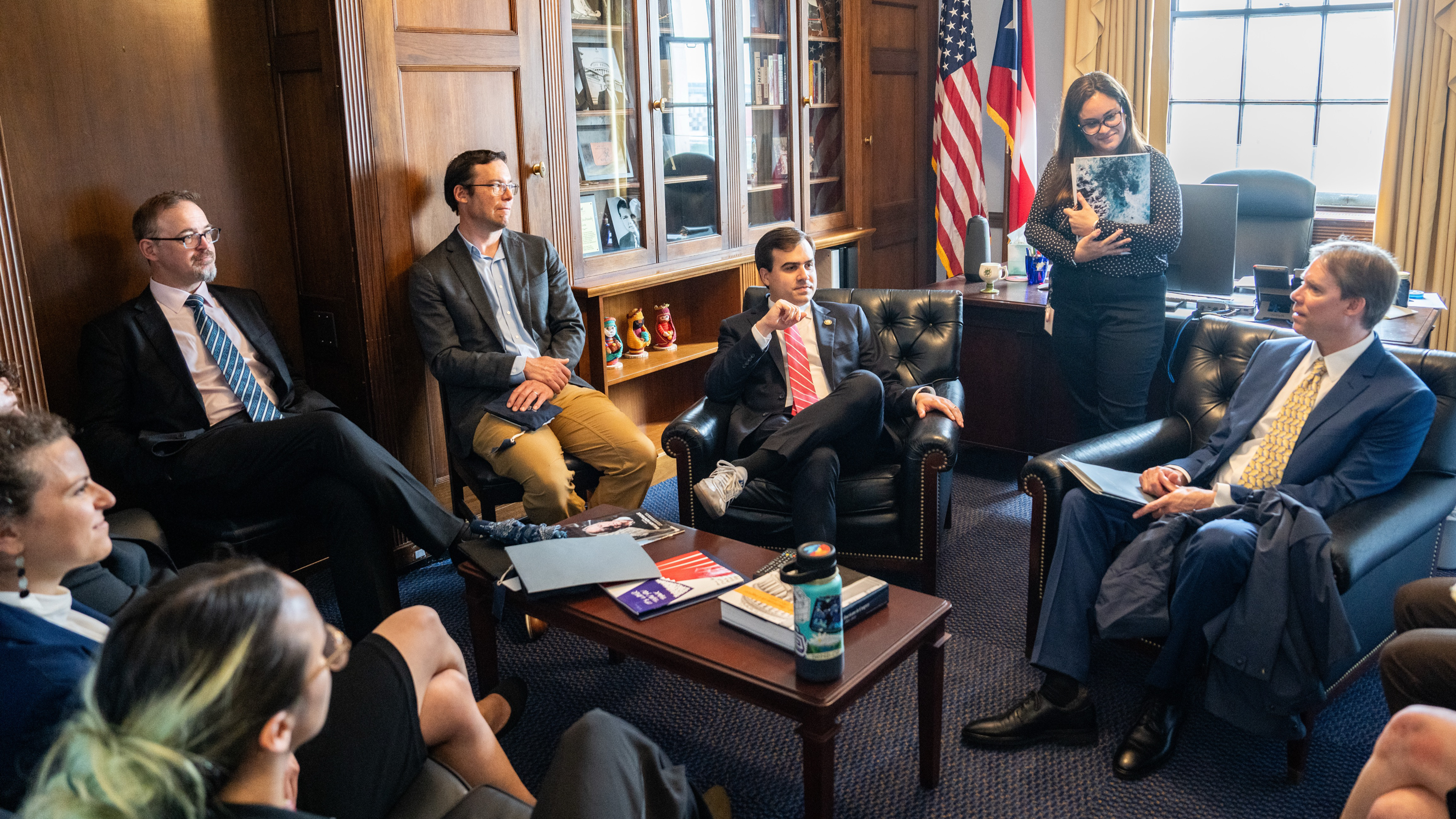
Across all forums and geographies, our 2025 work focused on strengthening the field’s policy and communications capacity. In order to better connect expert and non-expert audiences, Carbon to Sea helped the OAE community build new public engagement skills and capacity. We hosted our inaugural Hill Day, enabling researchers to directly interact with U.S. Congressional decision-makers — many of which learned about OAE and its policy support needs for the first time. To support future engagement, we funded the “Communication Leaders” program led by COMPASS, aimed at equipping oCDR experts to communicate more effectively with policymakers, funders, media outlets, and local communities about this fast-growing ocean-climate field.
CONVENING oCDR LEADERS
Carbon to Sea partnered with leaders in the field and advanced conversations around oCDR through in-person and virtual convenings. At New York Climate Week 2025, Carbon to Sea co-hosted a panel event on “Marine Carbon Dioxide Removal (mCDR): Fact, Fiction, and the Future,” in partnership with [C]Worthy and Hourglass Climate. The event brought together researchers, private sector companies, nonprofits, investors, environmental advocates, and other stakeholders to discuss common misconceptions about oCDR. We also participated in an invite-only workshop hosted by the Ocean Conservancy and the Environmental Defense Fund, entitled “A path towards responsible mCDR: A dialogue to explore multi-sector perspectives.”
With Columbia University’s Sabin Center for Climate Change Law and New York Sea Grant, Carbon to Sea also co-sponsored a one-day symposium exploring legal and policy issues associated with oCDR. The forum, “Navigating Marine Carbon Dioxide Removal: From Science to Regulation,” brought together a wide range of legal and policy experts, regulators, government representatives, scientific researchers, industry groups, NGOs, and others interested in oCDR to explore the adequacy of existing legal and policy frameworks and how they might need to evolve to better facilitate research and scaling, if and when appropriate.
DIVERSIFYING THE BENCH OF SPOKESPEOPLE
Strengthening these skills and capacities across the field also helps serve our broader goal of improving community engagement mechanisms in order to build trust around OAE. At Carbon to Sea’s 2025 Annual Convening, we hosted workshops specific to communications and community engagement professionals. John Godec, president and owner of Godec, Randall & Associates Inc. and founder of The Participation Company, led a session on best practices for fostering open communication and constructive community engagement for researchers, technical startup staff, and other OAE leaders. Tracey Brown, Director of Sense About Science, led a clinic on designing practical community engagement plans for ongoing or upcoming OAE research. Participants in the session applied these learnings to collaborate on a framework for engagement at the proposed SeaCURE OAE research site in Weymouth, UK.
Building a More Responsible oCDR Field
Carbon to Sea is focused on responsibly evaluating ocean alkalinity enhancement, and we made significant progress towards cultivating a more accountable, collaborative, and transparent field in 2025. Our organization is uniquely positioned to lead this work, as a convener across philanthropy, academia, government, and the private sector.
Establishing Guidelines and Best Practices
We’re defining the gold standard for responsible research through comprehensive guidelines and sharing best practices. As the research and development of OAE advances, so does the need for consensus-built frameworks to align actors across the ecosystem. In particular, we saw early opportunities to establish important standards in data management and environmental monitoring of field research and made significant progress in these areas.
Together with Plymouth Marine Laboratory Applications, Carbon to Sea developed a first-in-kind stage-gated framework for the responsible advancement of field research. The OAE Environmental Impact Monitoring Framework (EIMF) offers essential guidance for researchers, regulators, funders, industry stakeholders, and the public on how to assess the risks of OAE pathways at different scales of research, mitigate those risks through thoughtful preparation and research design, and monitor the environmental impacts of each project. This guidance helps smaller demonstrations get in the water, while building the essential knowledge base needed to demonstrate readiness for the next step.
Our team also published the OAE Data Management Protocol, which established a new set of best practices for managing and sharing field data that will catalyze intercomparison across projects. Together with Submarine Scientific, Carbon to Sea is developing a suite of tools to make it easy to apply the protocol, check for accuracy, and find other standardized datasets for analysis. We are also in pilot stages of developing the OAE Field Data Commons as an online hub that brings together academic and private sector field data in one accessible platform. Building on the community-driven standards in the OAE Data Management Protocol, the Data Commons will allow researchers, policymakers, and other interested parties to easily access project data across a range of categories for independent analysis. This work ensures future research can build on past efforts more effectively.
“This work is really about making it easier for projects to contribute well-documented data that others can discover, understand, and work with,” said Jacki Long, Co-Founder of Submarine Scientific. “By translating community-developed standards into simple tools and workflows, we’re helping transparency and collaboration become a natural part of how OAE research is done.”
Taken together, these new resources are foundational monitoring, reporting, and verification (MRV) building blocks that will enable greater transparency and collaboration across the field — and strengthen the credibility of scientific findings about OAE’s viability as a carbon removal method.
Measuring, Reporting, and Verification (MRV)
Carbon to Sea’s emphasis on scientific rigor at all levels of R&D has helped underscore our team’s deep expertise in oCDR and its MRV needs. In 2025, Planetary Technologies received the first OAE carbon credits, issued by the registry Isometric, and announced a major offtake agreement with Frontier. This was a notable milestone for the field and demonstrated growing private sector interest. To increase public understanding and provide independent evaluation of this first credit issuance, Carbon to Sea conducted one of the deepest non-commercial analyses of Planetary’s issued credits, reviewing their structure, assumptions, and implications. Our team was among the few actors with a full understanding of the credits, able to identify key areas for improvement of future crediting issuances. This evaluation was published as part of a new series of blog posts from the Carbon to Sea team on MRV — to offer up-to-date insights, reflections, and emerging perspectives into research, market trends, and current best practices. Anna Madlener, Senior Manager of MRV at Carbon to Sea, published a piece introducing a framework for closed- and open-system CDR and its implications for MRV of OAE. The blog mapped how real-world OAE projects are making significant progress to understand the potential and limitations of MRV models and measurements. The goal going forward will be to reduce uncertainty and define error margins when it comes to carbon removals. This ongoing series underscores Carbon to Sea’s strategic role in providing unbiased analysis on the latest scientific updates for both expert and non-expert audiences.
Shared Tools and Standards
To ensure that the growth of the field translates into learning and maturation of the field, Carbon to Sea is also investing in shared, field-wide infrastructure.
ENVIRONMENTAL IMPACT MONITORING FRAMEWORK
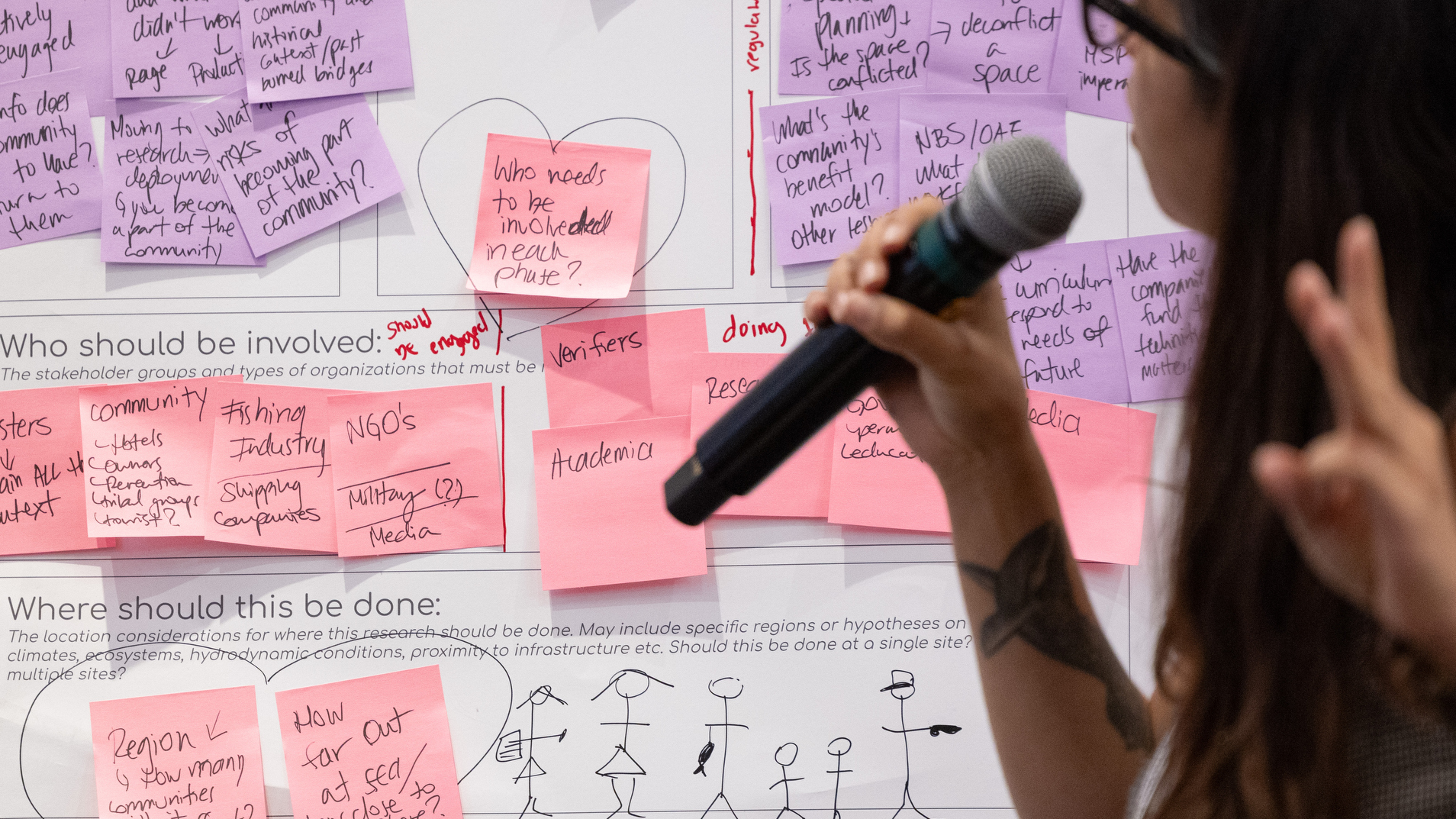
The Ocean Alkalinity Enhancement (OAE) Environmental Impact Monitoring Framework provides essential guidance for researchers, regulators, funders, industry stakeholders, and the public on how to evaluate the environmental impacts of OAE approaches during field research. Developed in partnership between PML Applications and the Carbon to Sea Initiative, this framework extends existing codes of conduct for ocean-based carbon dioxide removal (oCDR) researchers. As oCDR and OAE research projects begin to move from the lab to field trials — an essential step to rigorously evaluate how these approaches work in real-world conditions — this framework defines specific environmental monitoring needs and considerations for OAE field trials. This document aims to promote human and environmental safety, transparency, and accountability across the fast-growing oCDR community.
The framework is structured around a phased and gated approach, allowing OAE projects to scale up gradually, as knowledge grows and potential risks are mitigated. It draws from established environmental standards, government regulations, lessons from past field trials, and community best practices.
OAE DATA MANAGEMENT PROTOCOL AND THE OAE FIELD DATA COMMONS
The OAE Field Data Commons and the OAE Data Management Protocol are two pieces of a shared data ecosystem designed to make field research more useful, comparable, and transparent. The Data Protocol establishes common standards and rules for how data and metadata should be collected, labeled, and documented across OAE projects, so that when researchers measure things like water chemistry or biological indicators, the results can be assessed consistently from site to site. Carbon to Sea published the Protocol in 2025 in collaboration with Submarine Scientific, National Oceanic and Atmospheric Administration (NOAA), and dozens of ocean researchers.
The Data Commons, an ongoing collaboration between Carbon to Sea and Submarine Scientific, will act as the shared hub where that standardized data can be stored and analyzed. By building the Commons on top of the Protocol’s formats and requirements, Carbon to Sea hopes to ensure that datasets from different field trials can be compared directly.
Together, the Protocol and the Commons are meant to transform individual field trials into a shared system. This integration will support a more robust evaluation of OAE’s potential impacts and effectiveness.
Building a Collaborative, Transparent Sector
Across all our work, Carbon to Sea promotes greater knowledge-sharing and collaboration in order to catalyze and increase credibility for scientific findings.
Carbon to Sea provided the initial grant to stand up a new oCDR standing committee at the National Academies of Sciences, Engineering, and Medicine (NASEM), which is producing an updated version of NASEM’s 2022 report on the emerging field of oCDR. As the ocean climate field and our collective understanding of oCDR science is evolving rapidly, the new standing committee will ensure the report remains up-to-date as a centralized, digital, and trusted resource.
Our Plan Sea podcast further offers key insights into the field through in-depth interviews with oCDR leaders. Hosted by Anna Madlener, Senior Manager of MRV, and Dr. Wil Burns, co-executive director of the Institute of Responsible Carbon Removal at American University, Plan Sea is a podcast exploring potential ocean-based climate solutions. Season 2 wrapped in June of last year with 14 episodes published and over 5,000 downloads, and Season 3 officially kicked off in October.
MEETINGS AND CONVENINGS
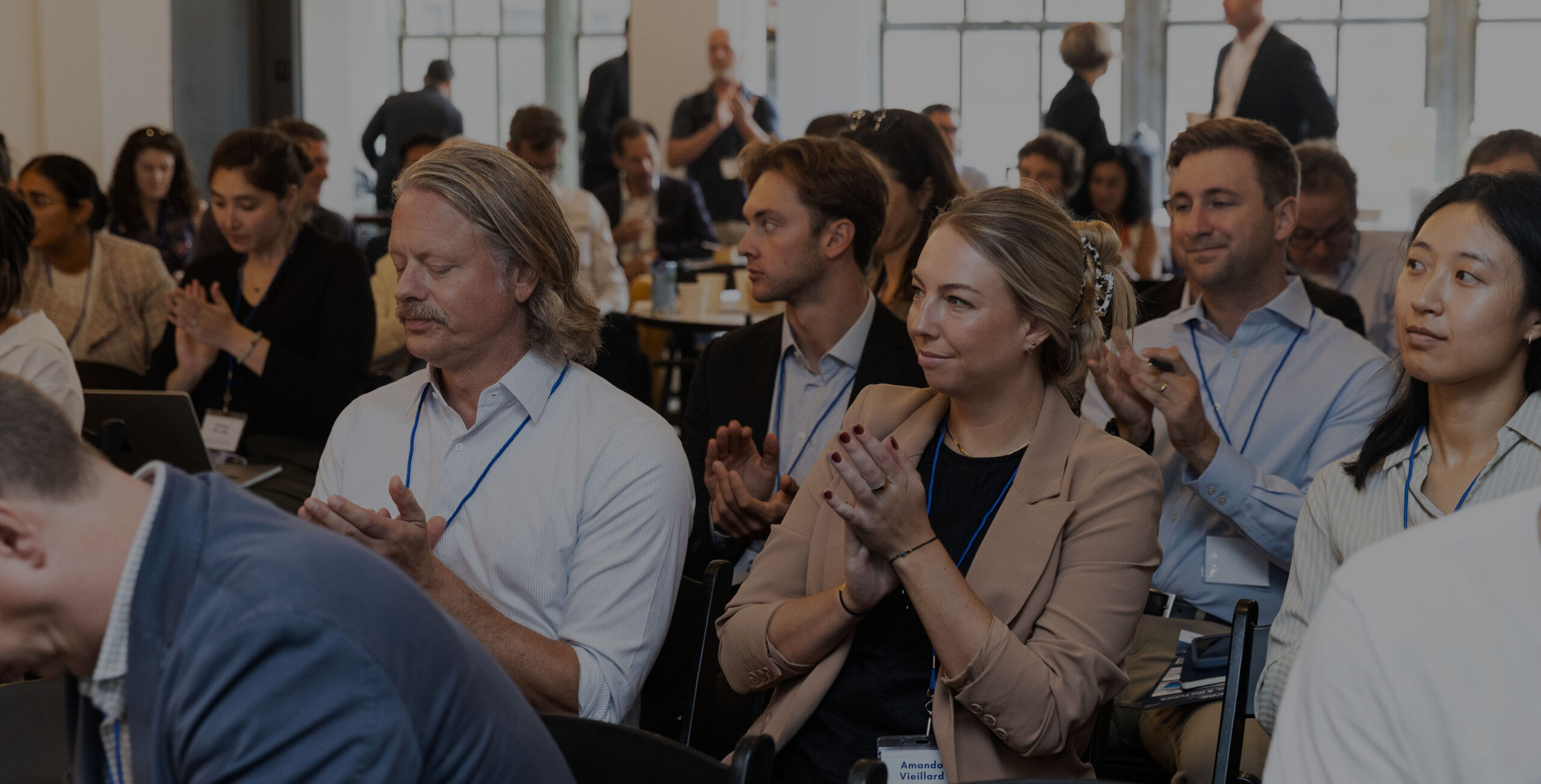
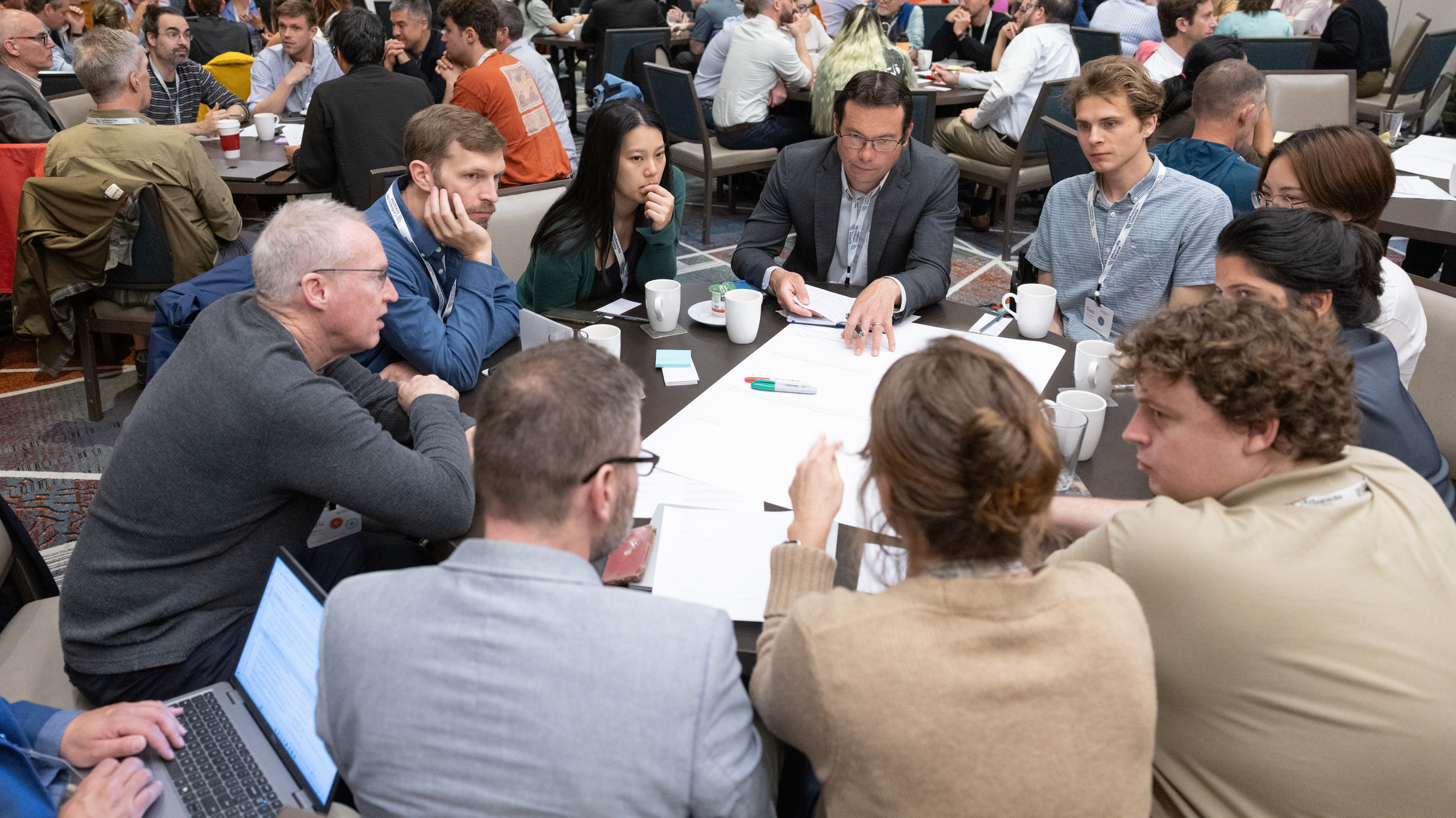
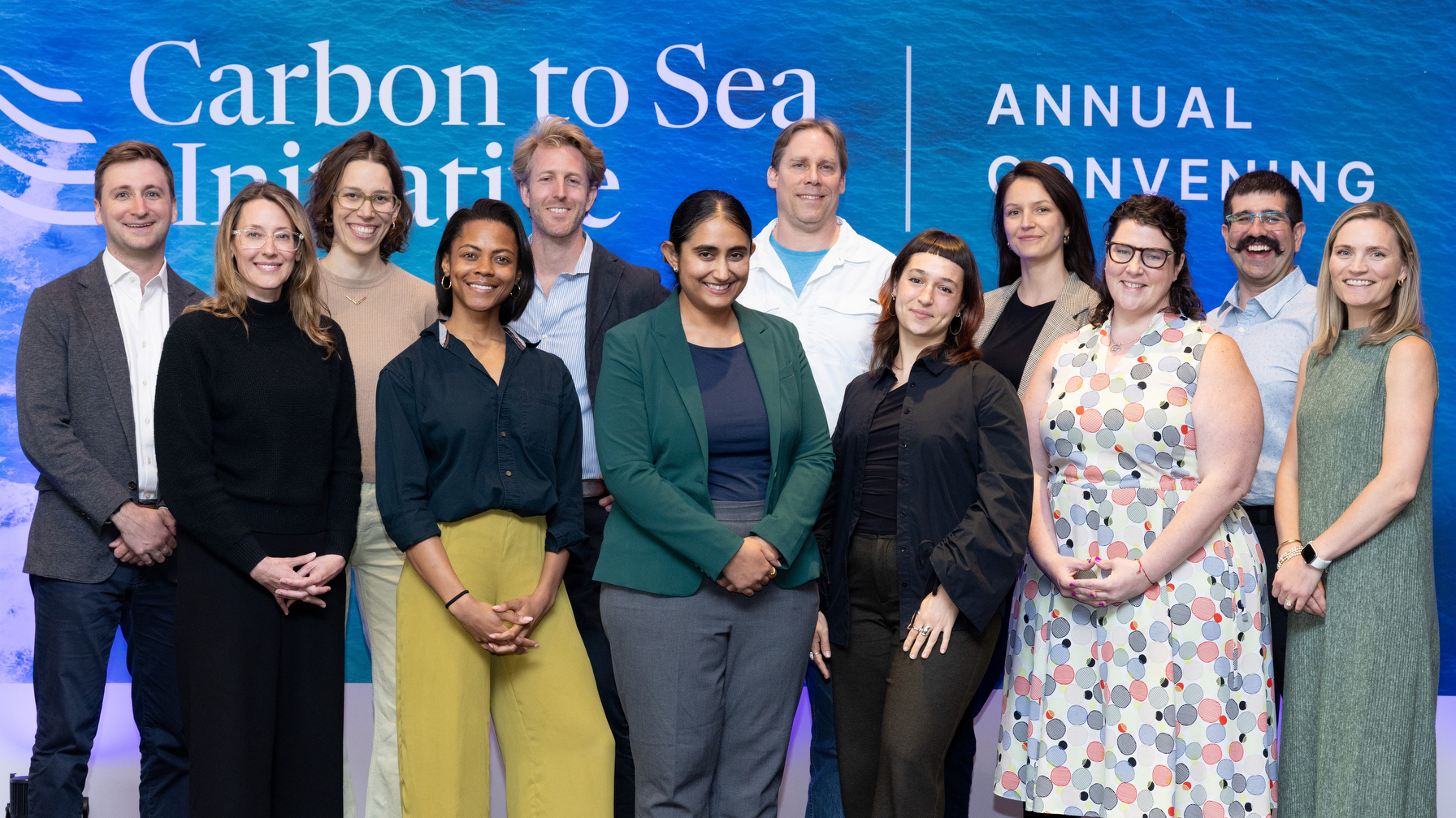
At our 2025 Annual Convening in Washington, D.C., we brought together nearly 200 leaders from academia, industry, government, and civil society to advance the oCDR field. The convening was once again a key forum to share new ideas and break down industry silos, and these cross-cutting insights uncovered during the event were shared in our first-ever comprehensive Convening Proceedings report.
Carbon to Sea sponsored international convenings and webinars to advance ocean-climate solutions. Our team was a leading sponsor of the Ocean Visions Biennial Summit 2025 in Vancouver, Canada — an action-oriented event convening scientists, policymakers, innovators, and funders to explore climate solutions and strengthen industry partnerships. Carbon to Sea also hosted a live Plan Sea recording at the summit, spotlighting attendees’ work across the oCDR field. This included interviews with leaders from Ocean Visions, The Grantham Foundation for the Protection of the Environment, Ocean-Climate Innovation Hub Kenya, 350 Solutions, and Washington Sea Grant.
And in December, Carbon to Sea hosted a webinar entitled “Understanding Latest Environmental Safety Research and Ocean Health Monitoring for OAE.” Moderated by Carbon to Sea’s Director of Research and Technology, Dr. David Keller, the event featured four expert speakers who discussed emerging research developments from the OAE field.
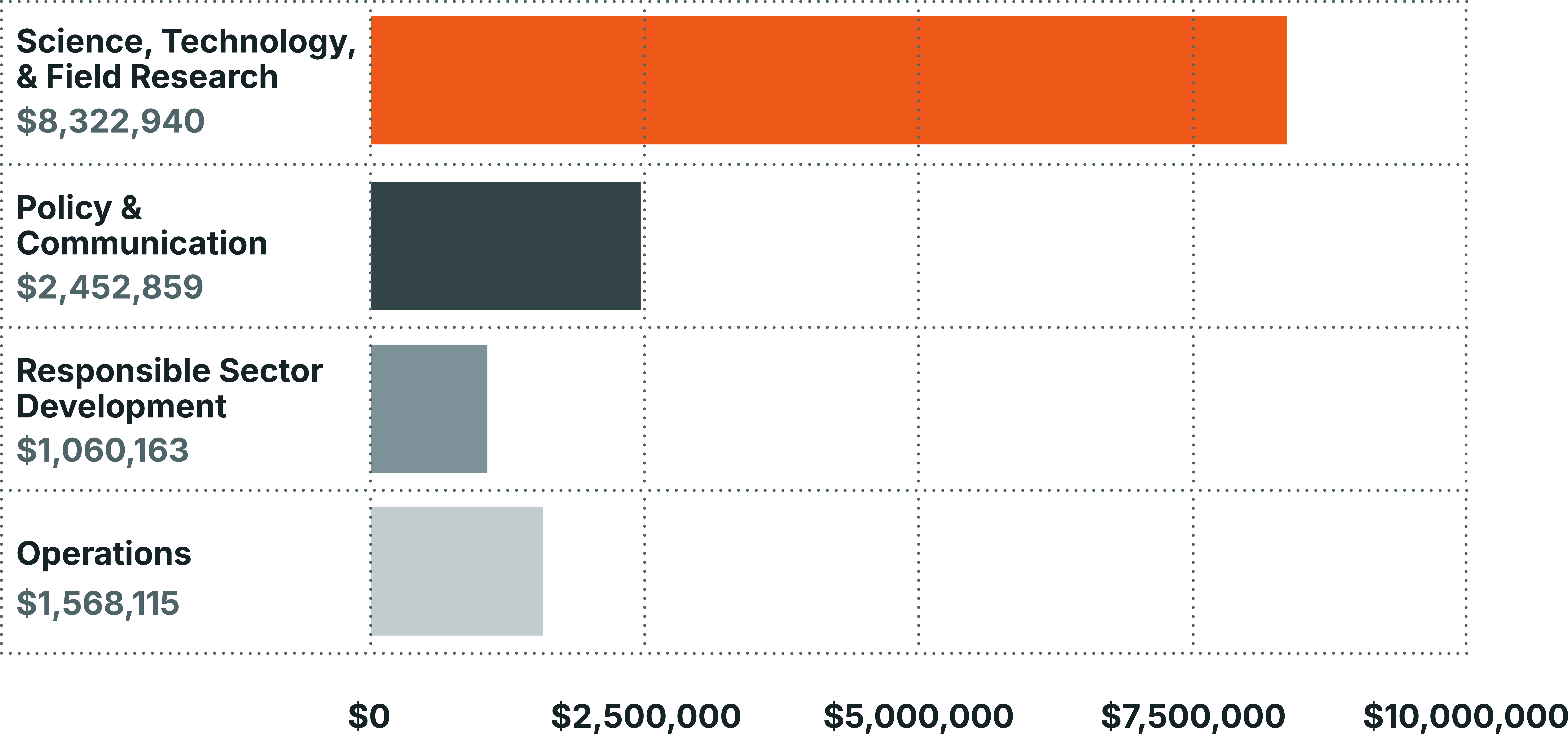
Spending Breakdown, 2025
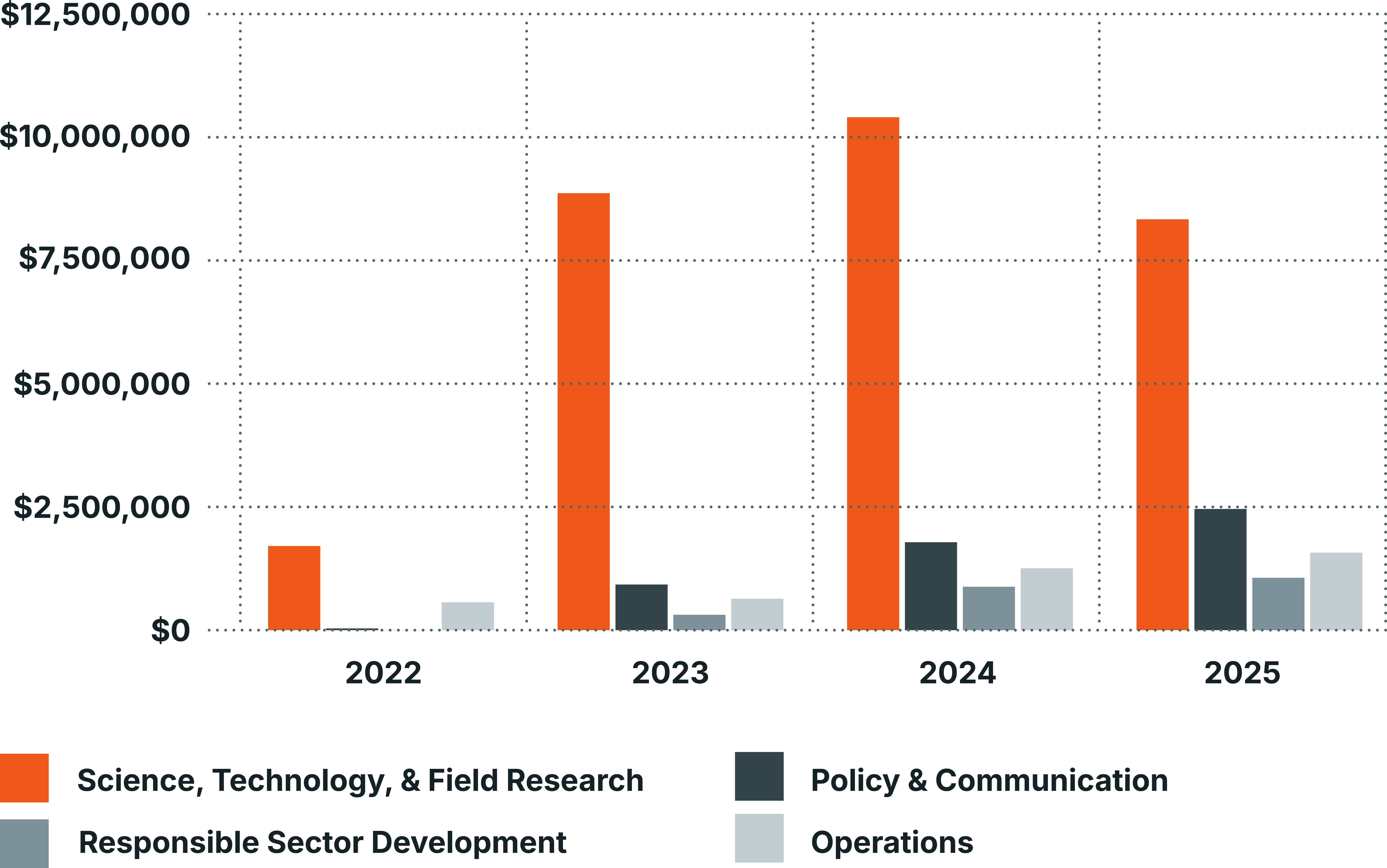
Annual Spending Breakdown, 2022–25
About Carbon to Sea
Carbon to Sea is a philanthropic initiative to evaluate and accelerate research and development of one of the most promising ocean-based carbon dioxide removal pathways — ocean alkalinity enhancement. We bring together leading scientists, engineers, field builders, and market shapers to systematically assess whether and how OAE can be a safe, permanent, and climate-relevant carbon removal method.
Board of Directors
- Mike Schroepfer, Board Chair
- Meg Caldwell
- Dr. Antonius Gagern
Team
- Dr. Antonius Gagern, Executive Director
- Lucy Fitzgerald, Senior Manager, Operations
- Brishelle Gamble, Senior Program Associate
- Danny Gawlowski, Senior Manager, Communications
- Diane Hoskins, Director, Global Policy
- Priyanka Hooghan, Senior Manager, Policy
- Dr. David Keller, Director, Research & Technology
- Nick Kleinert, Senior Manager, Strategic Initiatives
- Anna Madlener, Senior Manager, MRV
- Irene Polnyi, Vice President, Programs
- Laura Stieghorst, Science Program Associate
- Miriam Zitner, GM, Canada
- Dr. Lauren Moseley, OAEMIP Research Fellow
- Dr. Jens Daniel Müller, OAEMIP Research Fellow